


Employee Engagement Surveys Powerpoint PPT Template Bundles




Try Before you Buy Download Free Sample Product
 Impress Your
 Audience
 100%
100% Editable
 Save Hours
 of Time


Our Employee Engagement Surveys Powerpoint PPT Template Bundles are topically designed to provide an attractive backdrop to any subject. Use them to look like a presentation pro.
People who downloaded this PowerPoint presentation also viewed the following :
Employee Engagement Surveys Powerpoint PPT Template Bundles with all 20 slides:
Use our Employee Engagement Surveys Powerpoint PPT Template Bundles to effectively help you save your valuable time. They are readymade to fit into any presentation structure.










FAQs for Employee Engagement Surveys Powerpoint
Effective employee engagement surveys include job satisfaction metrics, communication effectiveness assessments, recognition and feedback mechanisms, career development opportunities, and work-life balance evaluations. These components work together by identifying specific engagement drivers, measuring organizational culture alignment, and pinpointing improvement areas, with many organizations finding that comprehensive surveys ultimately deliver actionable insights and enhanced retention strategies.
Organizations ensure anonymity through third-party survey platforms, randomized response codes, IP address masking, and aggregate-only reporting that prevents individual identification. These methods enable honest feedback by removing fear of retaliation, with many companies finding that guaranteed confidentiality increases participation rates significantly and delivers more actionable insights for improving workplace culture.
Methods for analyzing qualitative feedback include thematic analysis, sentiment analysis, keyword frequency mapping, content categorization, and narrative coding techniques. These approaches enable organizations to identify recurring themes, emotional patterns, and actionable insights from open-ended responses, with many companies finding that combining automated text analysis with human interpretation delivers deeper understanding of employee concerns and drives more targeted engagement strategies.
Employee engagement surveys should typically be conducted annually for comprehensive insights, with quarterly pulse surveys to track ongoing sentiment and address emerging concerns promptly. Many organizations find that combining annual deep-dive assessments with shorter monthly or bi-monthly check-ins enables continuous improvement, enhances response rates, and ultimately delivers more agile workforce management and sustained engagement levels.
Common pitfalls include using leading or biased questions, making surveys too lengthy, lacking anonymity assurance, failing to act on results, and using overly complex language. These missteps undermine survey credibility and response rates, with many organizations finding that poorly designed surveys actually decrease engagement rather than measure it, ultimately damaging trust and missing opportunities for meaningful workplace improvements.
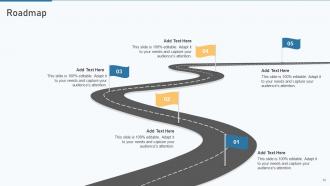
Survey results can be used to develop strategic action plans by identifying priority areas through data analysis, establishing measurable improvement targets, and creating department-specific initiatives that address root causes. Organizations typically translate findings into actionable roadmaps with timelines and accountability measures, with many companies finding that targeted interventions based on survey insights deliver enhanced retention, productivity, and ultimately stronger competitive advantage.
Leadership plays a crucial role by translating survey insights into actionable strategies, communicating transparently about findings, and implementing targeted improvements across compensation, development, and workplace culture. Through consistent follow-through and visible commitment, leaders demonstrate accountability while fostering trust, with many organizations finding that leadership responsiveness directly correlates with improved engagement scores and retention rates.
Technology enhances employee engagement data collection through automated survey platforms, real-time analytics, AI-powered sentiment analysis, mobile accessibility, and integrated dashboard reporting. These digital tools streamline feedback gathering while delivering deeper insights through predictive analytics and trend identification, with many organizations finding that automated systems increase response rates and enable faster, more strategic decision-making.
Best practices for communicating survey results include transparent sharing of key findings, clear action plans with timelines, regular progress updates, and acknowledging both positive outcomes and areas for improvement. Organizations enhance trust by presenting data honestly, involving employees in solution development, and demonstrating concrete changes based on feedback, ultimately delivering improved engagement and organizational credibility.
Organizations can measure engagement changes through regular pulse surveys, annual comprehensive assessments, exit interview analysis, performance metrics tracking, and retention rate monitoring. These methods enable companies to identify trends across departments and tenure levels, with many finding that quarterly pulse surveys combined with annual deep-dives deliver the most actionable insights for strategic workforce improvements.
**INPUT**: What factors should be considered when customizing survey questions for different departments? **OUTPUT**: Customizing survey questions requires considering departmental functions, specific workplace challenges, communication styles, performance metrics, and unique operational pressures each team faces. Sales teams benefit from questions about client interaction support and commission structures, while IT departments focus on resource availability and technical development opportunities, ultimately delivering more targeted insights and actionable improvement strategies. [Word count: 54 words]
Demographic variables significantly influence engagement survey results by revealing disparate experiences across age groups, departments, tenure levels, and job roles within organizations. These variations enable targeted interventions, with many companies finding that younger employees prioritize development opportunities while senior staff value recognition, ultimately allowing HR teams to craft personalized engagement strategies that address specific group needs.
**INPUT**: What follow-up actions can enhance employee trust and participation in future surveys? **OUTPUT**: Follow-up actions include sharing comprehensive survey results, implementing visible changes based on feedback, providing regular progress updates, and acknowledging specific contributions from participants. These transparency measures enhance trust by demonstrating genuine commitment to improvement, with many organizations finding that consistent communication and measurable actions significantly increase participation rates in subsequent surveys. [Word count: 54 words]
Employee engagement surveys align with organizational goals by incorporating questions that measure progress toward strategic objectives, cultural values implementation, and mission-driven behaviors. Through targeted metrics around collaboration, innovation, and performance standards, organizations can identify gaps between current culture and desired outcomes, while ensuring survey insights directly inform leadership decisions, policy changes, and development programs that ultimately strengthen both employee satisfaction and business results.
**INPUT**: What tools and platforms are recommended for conducting and analyzing employee engagement surveys? **OUTPUT**: Recommended tools include Glint, Culture Amp, TINYpulse, Officevibe, and 15Five, which streamline survey creation, distribution, and real-time analytics. These platforms enhance organizational insights by automating pulse surveys, providing predictive analytics, and delivering actionable dashboards, with many companies finding that integrated feedback systems ultimately improve retention rates and workplace productivity. **Word count: 54 words**
-
“I required a slide for a board meeting and was so satisfied with the final result !! So much went into designing the slide and the communication was amazing! Can’t wait to have my next slide!”
-
Their templates are super easy to edit and use even for the one like me who is not familiar with PowerPoint. Great customer support.