


Employees Benefit Package Management Powerpoint Presentation Slides




Try Before you Buy Download Free Sample Product
 Impress Your
 Audience
 100%
100% Editable
 Save Hours
 of Time


Benefits are in addition to employee compensation. Discuss the various benefits an organization provides to its employees with our content ready Employees Benefit Package Management Powerpoint Presentation Slides. Effective benefits strategies can attract and retain top talent. List down the types of perks such as health insurance, paid vacations, meal breaks, social security, pay raise, achievement awards, perks, and bonuses, etc using ready to use benefits and perks presentation deck. Furthermore, the professionally designed employee perquisites PowerPoint complete deck contains various employee benefits templates. These pre-made PowerPoint templates are completely customizable, users can edit the color, size, font style as per their needs. The employee perks PPT is useful for HR professionals. Outline the process of managing the employee benefits administration with the help of staff benefits and rewards editable presentation design. Download visually appealing fringe benefits PPT visuals to educate your employees on benefits plans. Firmly catch everyone's attention with our Employees Benefit Package Management Powerpoint Presentation Slides. They generate a gripping effect.
People who downloaded this PowerPoint presentation also viewed the following :
Content of this Powerpoint Presentation
Slide 1: This slide introduces Employees Benefit Package Management. State Your Company Name and begin.
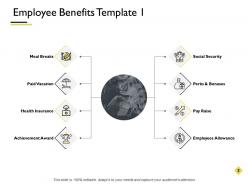
Slide 2: This slide shows Employee Benefits Template 1 describing- Social Security, Meal Breaks, Perks & Bonuses, Paid Vacation, Pay Raise, Health Insurance, Employees Allowance, Achievement Award.
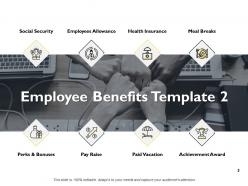
Slide 3: This slide presents Employee Benefits Template 2. You can add or edit data as per requirements.
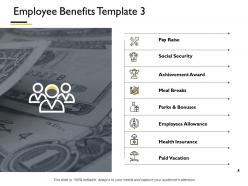
Slide 4: This slide represents Employee Benefits Template 3 with related imagery and text.
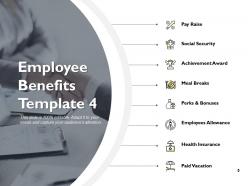
Slide 5: This slide displays Employee Benefits Template 4 with related icons and imagery. You can modify the template as per requirements.
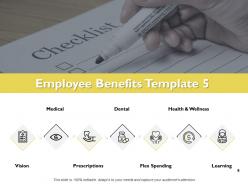
Slide 6: This slide showcases Employee Benefits Template 5 describing- Medical, Vision, Dental, Prescriptions, Health & Wellness, Flex Spending, Learning.
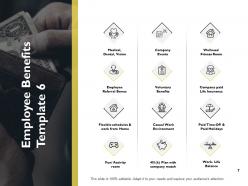
Slide 7: This slide shows Employee Benefits Template 6 describing- Fun/ Activity Room, Medical, Dental, Vision, Casual Work Environment, Company Paid, Life Insurance, Company Events, Employee Referral Bonus, 401(k) Plan With Company Match, Paid Time-off & Paid Holidays, Voluntary Benefits, Flexible Schedules & Work From Home, Wellness/ Fitness Room, Work- Life Balance.
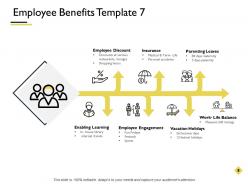
Slide 8: This slide presents Employee Benefits Template 7 describing- Employee Discount, Enabling Learning, Insurance, Employee Engagement, Vacation Holidays, Parenting Leaves, Work- Life Balance.
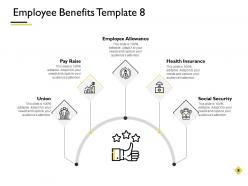
Slide 9: This slide displays Employee Benefits Template 8 describing- Union, Pay Raise, Employee Allowance, Health Insurance, Social Security.
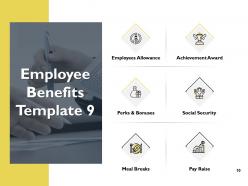
Slide 10: This slide represents Employee Benefits Template 9.
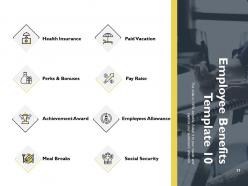
Slide 11: This slide showcases Employee Benefits Template 10 describing- Health Insurance, Perks & Bonuses, Achievement Award, Meal Breaks, Social Security, Employees Allowance, Pay Raise, Paid Vacation.
Slide 12: This slide displays Employees Benefit Package Management For Icons.
Slide 13: This slide is titled as Additional slide for moving forward.
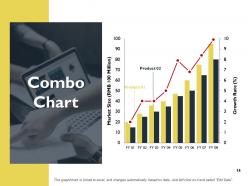
Slide 14: This slide shows Combo Chart with two products comparison.
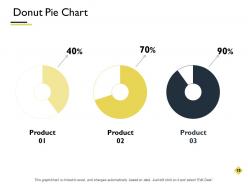
Slide 15: This slide presents Donut Pie Chart with data in percentage.
Slide 16: This is Our Mission slide with related imagery and text.
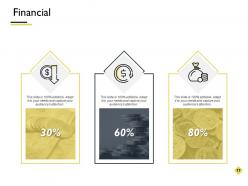
Slide 17: This is a Financial slide. Show your finance related stuff here.
Slide 18: This is an Idea Bulb slide to state a new idea or highlight information, specifications etc.
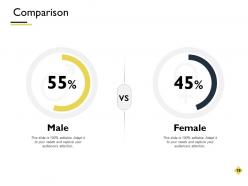
Slide 19: This is a Comparison slide to state comparison between commodities, entities etc.
Slide 20: This is a Thank you slide with address, contact numbers and email address.
Employees Benefit Package Management Powerpoint Presentation Slides with all 20 slides:
Bring about improvement in devices with our Employees Benefit Package Management Powerpoint Presentation Slides. Encourage an innovative approach.
FAQs for Employees Benefit Package Management
Key components include comprehensive health insurance, retirement plans, flexible work arrangements, professional development opportunities, and wellness programs. These elements work together by attracting top talent, reducing turnover costs, and enhancing productivity, with many organizations finding that strategic benefits packages deliver significant competitive advantages in increasingly tight labor markets.
Organizations measure benefits impact through retention rates, exit interview feedback, recruitment metrics, employee satisfaction surveys, and cost-per-hire analysis. These measurement strategies enable companies to track turnover reduction, assess competitive positioning in talent acquisition, and quantify ROI on benefits investments, with many finding that comprehensive analytics ultimately deliver strategic workforce planning advantages.
Emerging employee benefits trends include flexible work arrangements, mental health support programs, personalized wellness initiatives, student loan assistance, and comprehensive parental leave policies. These strategic offerings enhance talent attraction and retention by addressing evolving workforce priorities, with many organizations finding that modern benefits packages significantly improve employee satisfaction, reduce turnover costs, and ultimately deliver stronger competitive advantage.
Technology streamlines employee benefits management through automated enrollment systems, self-service portals, AI-powered analytics, and integrated HRIS platforms that centralize data processing. These solutions enable HR teams to reduce administrative overhead, minimize manual errors, and deliver personalized benefits experiences, while employees gain 24/7 access to their information, ultimately enhancing satisfaction and operational efficiency.
Communication serves as the foundation for benefits engagement by ensuring employees understand available options, eligibility requirements, enrollment processes, and ongoing value propositions. Through targeted messaging, digital platforms, and personalized outreach, organizations enhance benefits utilization, reduce confusion, and increase satisfaction, with many companies finding that clear, consistent communication ultimately drives higher participation rates and stronger employee retention.
Different demographics significantly influence benefits preferences through varying life stages, financial priorities, and personal circumstances, with younger employees often prioritizing student loan assistance and flexible work arrangements while older workers value comprehensive healthcare and retirement planning. Organizations increasingly recognize that multi-generational workforces require tailored benefits packages, with many companies finding that demographic-specific offerings enhance employee satisfaction, reduce turnover, and ultimately deliver stronger talent retention across all age groups.
Organizations face compliance challenges including complex regulatory frameworks, frequent policy changes, multi-jurisdictional requirements, documentation burdens, and integration difficulties across HR systems. These compliance demands often strain resources through manual tracking processes, audit preparations, and penalty risks, with many companies finding that automated benefits platforms streamline regulatory adherence while reducing administrative costs.
Organizations can effectively assess employee benefit needs through comprehensive surveys, focus groups, demographic analysis, exit interviews, and regular one-on-one discussions with managers. These assessment methods enable HR teams to identify generational preferences, family status considerations, and career stage requirements, while benchmarking against industry standards, ultimately delivering personalized benefit packages that enhance retention and employee satisfaction.
Flexible benefits plans enable employees to customize their compensation packages based on individual needs, lifestyle preferences, and career stages, significantly enhancing job satisfaction and retention rates. Modern organizations leverage these adaptive programs to attract diverse talent across generational lines while reducing overall benefits costs, with companies in tech, healthcare, and financial services finding that personalized benefits deliver competitive advantages in tight labor markets.
Employers can balance costs by implementing tiered benefit structures, leveraging group purchasing power, offering flexible spending accounts, and focusing on high-impact, low-cost perks like wellness programs and professional development. Through strategic vendor negotiations and employee contribution sharing, organizations streamline expenses while maintaining competitive packages, with many companies finding that voluntary benefits and technology-driven solutions ultimately deliver cost savings and enhanced employee satisfaction.
Annual benefits enrollment best practices include automated workflow systems, clear communication timelines, interactive decision-support tools, mobile-friendly platforms, and personalized benefit recommendations. These approaches streamline the process by reducing administrative burden, minimizing employee confusion, and enabling data-driven choices, with many organizations finding that strategic enrollment processes ultimately deliver higher participation rates, improved employee satisfaction, and reduced HR operational costs.
Employee feedback drives benefits program evolution by revealing usage patterns, satisfaction gaps, and emerging needs through surveys, focus groups, and analytics. This data enables HR teams to eliminate underutilized benefits, enhance popular offerings, and introduce relevant new programs, with many organizations finding that feedback-driven benefits strategies significantly improve employee retention and engagement.
Employee wellness programs are strategic components of comprehensive benefits management that enhance organizational health outcomes, reduce healthcare costs, and improve employee engagement. Through integrated wellness initiatives, companies streamline benefits utilization, minimize absenteeism, and boost productivity, with many organizations finding that these programs deliver significant ROI while strengthening talent retention.
Companies can adapt benefits during economic downturns by prioritizing cost-effective wellness programs, flexible work arrangements, professional development opportunities, and employee assistance programs over expensive perks. While maintaining core health coverage, organizations increasingly shift toward benefits that enhance productivity and retention, with many finding that strategic combinations of mental health support, skills training, and work-life balance initiatives deliver greater employee satisfaction and competitive advantage than traditional high-cost offerings.
Key metrics include employee satisfaction scores, benefits utilization rates, retention and turnover rates, recruitment success metrics, and cost-per-employee ratios. These measurements enable HR teams to assess program effectiveness, identify underutilized offerings, and demonstrate ROI to leadership, with many organizations finding that comprehensive tracking ultimately delivers improved employee engagement and competitive hiring advantages.
No Reviews