


Energy Controlling Powerpoint Presentation Slides




Try Before you Buy Download Free Sample Product
 Impress Your
 Audience
 100%
100% Editable
 Save Hours
 of Time


Ensure optimum utilization of resources using these Energy Controlling PowerPoint Presentation Slides. Take the assistance of these energy management PPT slides to show the roles of energy directors like meeting top clients, drafting an energy policy, etc. Take advantage of these energy goals PPT templates to assess the performance of your plan through steps like tracking data, energy conservation, etc. Demonstrate the steps to create an action plan for energy conservation such as determination of roles and resources, implementation of the action plan, etc. Utilize these amazing energy management PPT visuals to review the energy policy and implement recommendations from the energy survey. Unveil the constituents of internal as well as external recognition such as success celebration, membership associations, etc. using these energy PPT layouts. Download this eye-catching PowerPoint slideshow to conserve energy and encourage organizations to adopt a sustainable model of production.
People who downloaded this PowerPoint presentation also viewed the following :
Content of this Powerpoint Presentation
Slide 1: This slide introduces Energy Controlling. State your company name and begin.
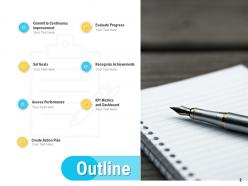
Slide 2: This slide displays the Outline of the presentation.
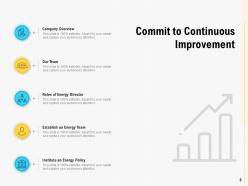
Slide 3: This slide displays Commit to continuous improvement.
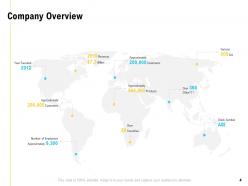
Slide 4: This slide displays Company Overview.
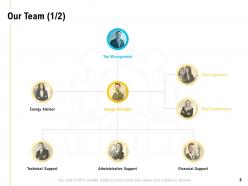
Slide 5: This is Our Team slide with names and designation.
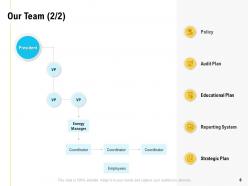
Slide 6: This is also Our Team slide.
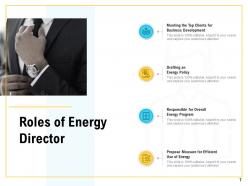
Slide 7: This slide showcases the Roles of Energy Director.
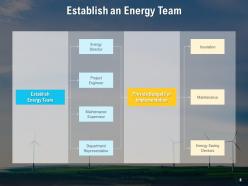
Slide 8: This slide displays Establishing an Energy Team.
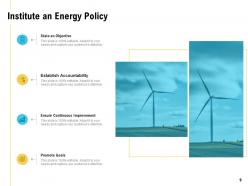
Slide 9: This is Institute an Energy Policy slide such as- State an Objective, Establish Accountability, Ensure Continuous Improvement, Promote Goals.
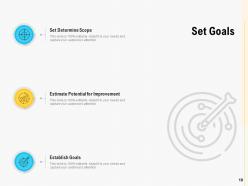
Slide 10: This slide is about Setting Goals.
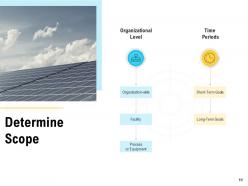
Slide 11: This is Determine Scope slide displaying- Organization-wide, Facility, Process or Equipment, Organizational Level, Short-Term Goals, Long-Term Goals, Time Periods.
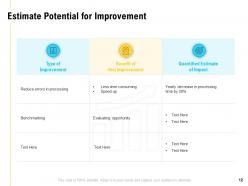
Slide 12: This slide depicts Estimate Potential for Improvement.
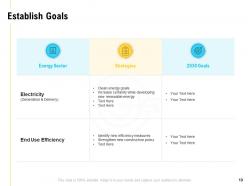
Slide 13: This is Establish Goals slide.
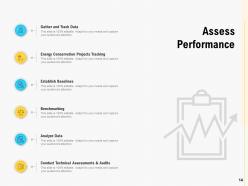
Slide 14: This slide displays assess performance.
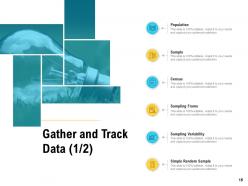
Slide 15: This slide showcases Gather and Track Data with- Sample, Population, Census, Sampling Frame, Simple Random Sample, Sampling Variability.
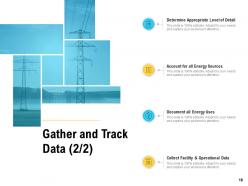
Slide 16: This slide depicts Gather and Track Data with- Determine Appropriate Level of Detail, Account for all Energy Sources, Document all Energy Uses, Collect Facility & Operational Data.
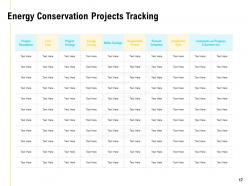
Slide 17: This slide displays Energy Conservation Projects Tracking.
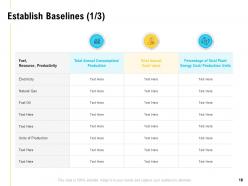
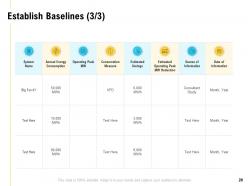
Slide 18: This is Establish Baselines slide.
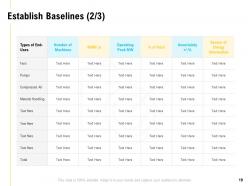
Slide 19: This is Establish Baselines slide.
Slide 20: This is also Establish Baselines slide.
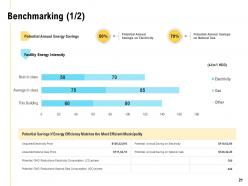
Slide 21: This slide showcases Benchmarking with- Potential Annual Savings on Electricity, Potential Annual Savings on Natural Gas, Potential Annual Energy Savings, Facility Energy Intensity.
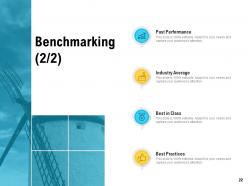
Slide 22: This slide displays Benchmarking showcasing- Past Performance, Industry Average, Best in Class, Best Practices.
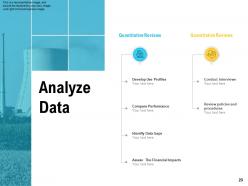
Slide 23: This slide depicts analyze data.
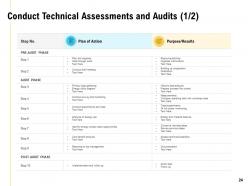
Slide 24: This is Conduct Technical Assessments and Audits slide.
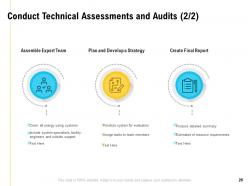
Slide 25: This is also Conduct Technical Assessments and Audits slide.
Slide 26: This slide displays Track and Monitor
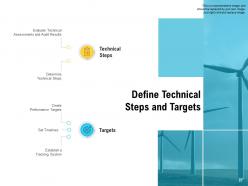
Slide 27: This slide is about Defining Technical Steps and Targets with- Technical Steps, Evaluate Technical Assessments and Audit Results, Determine Technical Steps, Create Performance Targets.
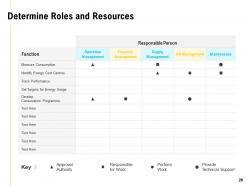
Slide 28: This slide showcases Roles and Resources describing- Responsible Person, Responsible for Work, Approval Authority, Perform Work, Provide Technical Support.
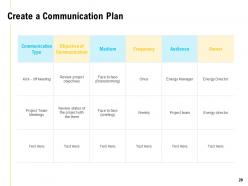
Slide 29: This is Create a Communication Plan slide.
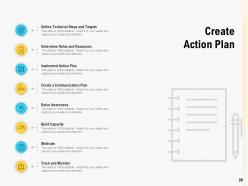
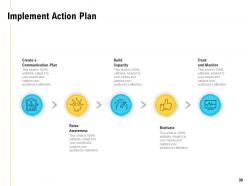
Slide 30: This slide displays implement action plan with- Create a Communication Plan, Raise Awareness, Build Capacity, Motivate.
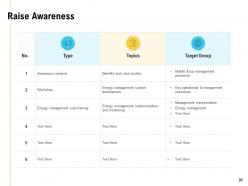
Slide 31: This is Raise Awareness slide.
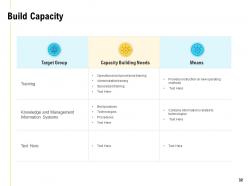
Slide 32: This slide showcases Build Capacity.
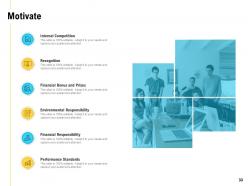
Slide 33: This is motivate slide describing internal competition, recoginition, financial bonus and prizes etc.
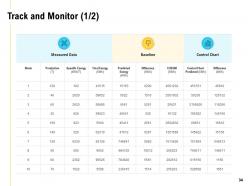
Slide 34: This slide displays Track and Monitor.
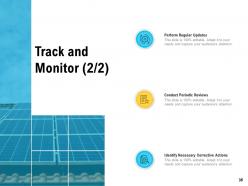
Slide 35: This slide displays Track and Monitor with- Perform Regular Updates, Conduct Periodic Reviews, Identify Necessary Corrective Actions.
Slide 36: This slide showcases Review Action Plan with evaluate progress, measure results.
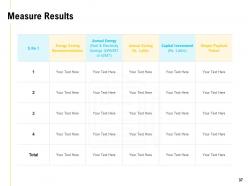
Slide 37: This slide showcases measure results.
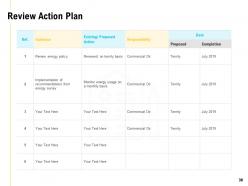
Slide 38: This is Review Action Plan slide.
Slide 39: This slide showcases Recognize Achievements displaying- Internal Recognition, External Recognition.
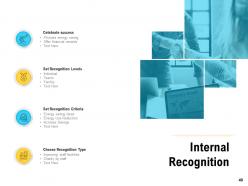
Slide 40: This slide depicts Internal Recognition with- Celebrate success, Promote energy saving, Offer financial rewards, Set Recognition Criteria, Energy saving ideas, Energy Use Reduction, Increase Savings, Set Recognition Levels.
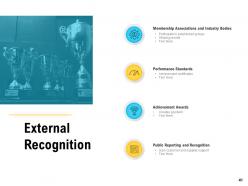
Slide 41: This slide depicts External Recognition with- Membership Associations and Industry Bodies, Participate in established groups, Sharing results, Performance Standards, Achievement certificates, Achievement Awards, Creates goodwill, Gain customer and supplier support.
Slide 42: This is KPI Metrics and Dashboard slide.
Slide 43: This slide showcases Energy Production Distribution.
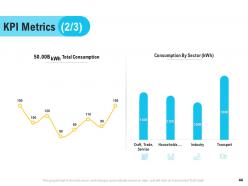
Slide 44: This is KPI Metrics slide showcasing total consumption, Consumption By Sector (kWh).
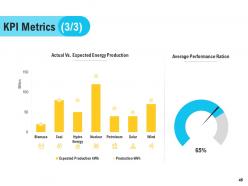
Slide 45: This slide also showcases KPI Metrics with Actual Vs. Expected Energy Production, Average Performance Ration.
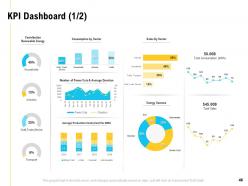
Slide 46: This is KPI Dashboard slide showcasing percentages of contribution of renewable energy to household, industry, craft, trade, service.
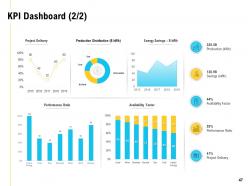
Slide 47: This is KPI Dashboard slide with- Project Delivery, Production Distribution (B kWh), Renewable, Nuclear, Coal, Gas, Energy Savings – B kWh, Performance Ratio Availability Factor, Production (kWh), Performance Ratio.
Slide 48: This is Energy Controlling Icons Slide.
Slide 49: This slide is titled as Additional Slides for moving forward.
Slide 50: This slide displays time for Coffee break.
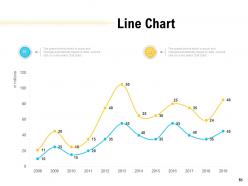
Slide 51: This slide displays Line Chart.
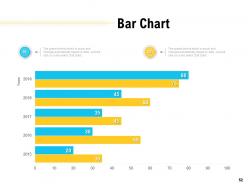
Slide 52: This slide displays Bar Chart with product comparison.
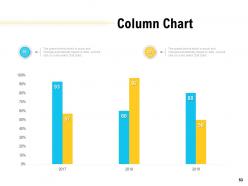
Slide 53: This slide displays Column Chart with product comparison.
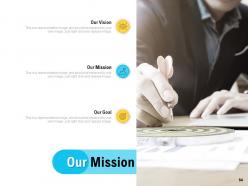
Slide 54: This is Our Mission slide with vision, mission and goal.
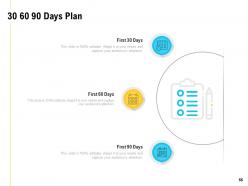
Slide 55: This is 30 60 90 Days Plan slide.
Slide 56: This is Our Team slide with names and designation.
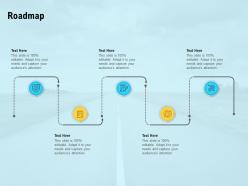
Slide 57: This is Roadmap slide.
Slide 58: This is About Us slide to showcase company specifications.
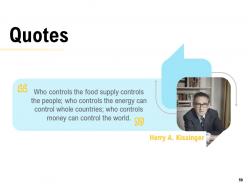
Slide 59: This is Quotes slide.
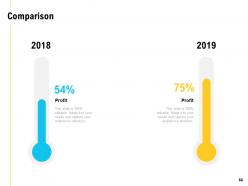
Slide 60: This is Comparison slide with profit percentages.
Slide 61: This is Idea Generation slide to highlight ideas, information.
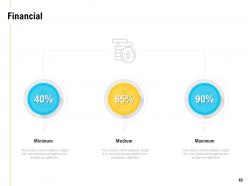
Slide 62: This is Financial slide.
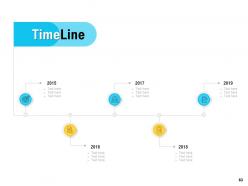
Slide 63: This is TimeLine slide.
Slide 64: This slide displays Mind Map.
Slide 65: This is Thank You slide with names, contact number and location.
Energy Controlling Powerpoint Presentation Slides with all 65 slides:
Use our Energy Controlling Powerpoint Presentation Slides to effectively help you save your valuable time. They are readymade to fit into any presentation structure.


FAQs for Energy Controlling
Key components of an effective energy management system include energy monitoring and measurement tools, automated control systems, data analytics platforms, performance tracking dashboards, and strategic planning frameworks. These technologies streamline operations by identifying inefficiencies, automating energy usage optimization, and providing real-time insights, with many manufacturing facilities and commercial buildings finding that integrated systems deliver significant cost reductions and enhanced operational efficiency.
Businesses can identify energy-intensive processes through energy audits, smart metering systems, data analytics platforms, and process mapping techniques that monitor consumption patterns across operations. Manufacturing facilities, data centers, and retail chains increasingly use IoT sensors and energy management software to pinpoint inefficiencies, streamline resource allocation, and reduce operational costs by 15-30% annually.
Renewable energy serves as a cornerstone of modern energy management strategies, offering cost reduction, environmental compliance, grid stability, and energy independence. Organizations across manufacturing, healthcare, and retail sectors increasingly integrate solar, wind, and battery storage systems to minimize operational costs, enhance sustainability credentials, and achieve long-term competitive advantage in an increasingly carbon-conscious marketplace.
Organizations leverage smart technologies for improved energy efficiency through IoT sensors, automated HVAC systems, predictive analytics, smart lighting controls, and energy management platforms. These technologies streamline operations by monitoring consumption patterns, optimizing equipment performance, and reducing waste automatically, with manufacturing facilities and commercial buildings finding significant cost reductions and enhanced sustainability outcomes.
Common challenges include high upfront costs, lack of employee awareness, insufficient data monitoring systems, regulatory complexity, and resistance to operational changes. These obstacles often create barriers for organizations seeking efficiency improvements, though many companies in manufacturing, retail, and healthcare find that strategic planning, staff training, and phased implementation ultimately deliver significant cost reductions and competitive advantages.
Energy management contributes to sustainability goals by optimizing consumption patterns, implementing renewable energy sources, reducing waste through automated systems, and monitoring real-time usage data. Through smart grid technologies and energy-efficient infrastructure, organizations across manufacturing, healthcare, and retail sectors significantly lower operational costs while minimizing environmental impact, ultimately delivering competitive advantage in an increasingly eco-conscious marketplace.
Key metrics include energy consumption per unit of production, cost savings percentage, carbon footprint reduction, peak demand management, and energy efficiency ratios across facilities. These indicators enable organizations to track operational efficiency, regulatory compliance, and ROI, with many manufacturing and commercial enterprises finding that comprehensive measurement drives continuous improvement and delivers significant cost reductions while enhancing sustainability credentials.
Employee engagement enhances energy management through behavioral changes, innovative suggestions, accountability culture, and cross-departmental collaboration that drives conservation initiatives. Engaged employees actively monitor usage patterns, propose efficiency improvements, and participate in sustainability programs, with many organizations finding that motivated teams reduce energy consumption by 10-15%, ultimately delivering cost savings and competitive environmental advantages.
Energy audits systematically evaluate organizational energy consumption through facility inspections, equipment assessments, utility bill analysis, and performance monitoring to identify inefficiencies and optimization opportunities. These comprehensive evaluations enable companies to reduce operational costs by 10-30%, enhance sustainability profiles, and improve equipment performance, with many organizations finding that audit recommendations deliver measurable ROI within 2-3 years.
Financial incentives for energy-efficient technologies include federal tax credits, state rebates, utility company incentives, accelerated depreciation schedules, and green financing options. These programs significantly reduce implementation costs, with many manufacturing and retail businesses finding that combined incentives can cover 30-50% of upgrade expenses, ultimately delivering faster ROI and enhanced competitive positioning.
Energy management practices vary significantly across industries, with manufacturing focusing on optimizing production equipment, heating systems, and process automation, while service sectors prioritize HVAC optimization, lighting controls, and building management systems. Manufacturing companies typically implement demand response programs and equipment scheduling to reduce peak consumption costs, whereas service organizations like hospitals, hotels, and offices emphasize occupancy-based controls and smart building technologies, ultimately delivering sector-specific efficiency gains.
Latest trends in energy management include AI-powered predictive analytics, smart grid integration, IoT-enabled monitoring systems, renewable energy optimization platforms, and automated demand response technologies. These innovations streamline energy consumption by providing real-time insights, reducing operational costs, and enhancing sustainability practices, with many organizations finding that strategic energy management delivers significant competitive advantages.
Organizations ensure compliance with energy regulations through comprehensive energy audits, automated monitoring systems, staff training programs, and regular reporting protocols. These approaches streamline regulatory adherence by tracking consumption patterns, identifying inefficiencies, and maintaining documentation standards, with many companies finding that proactive compliance strategies ultimately deliver cost reductions and competitive advantages in increasingly regulated markets.
Energy management policy best practices include establishing clear objectives, conducting comprehensive energy audits, setting measurable targets, defining roles and responsibilities, and ensuring regulatory compliance. Manufacturing companies and healthcare facilities increasingly find that integrating employee training, regular monitoring systems, and continuous improvement processes into their policies delivers significant cost reductions, enhanced operational efficiency, and competitive advantage in sustainability reporting.
Energy management significantly reduces operational costs through optimized consumption, predictive maintenance, and automated systems that eliminate waste and peak demand charges. Organizations implementing strategic energy management, particularly in manufacturing, healthcare, and retail sectors, typically achieve 15-30% cost reductions while enhancing profitability through improved resource allocation and sustainability initiatives that attract environmentally conscious customers.
-
Out of the box and creative design.