

Escalation management system project validation and prioritization





Try Before you Buy Download Free Sample Product
 Impress Your
Audience
 100%
Editable
 Save Hours
of Time


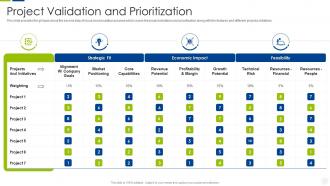
This slide provides the glimpse about the second step of issue and escalation process which covers the project validation and prioritization along with the features and different projects initiatives.
People who downloaded this PowerPoint presentation also viewed the following :
Escalation management system project validation and prioritization with all 6 slides:
Use our Escalation Management System Project Validation And Prioritization to effectively help you save your valuable time. They are readymade to fit into any presentation structure.





FAQs for Escalation management system project
So basically you've got four main steps: spot the issue, figure out how urgent it is, send it to the right person, then track it until it's done. Most places mess up the routing part because nobody knows who's actually supposed to handle what - drives me crazy. You'll want to set up clear triggers beforehand, like if something's been stuck for X hours or hits a certain severity level. That way people aren't just guessing when to escalate. Oh, and definitely follow up after because stuff has a weird way of just... disappearing into the void otherwise.
Honestly, just talk to people before they get pissed off. Reach out early, acknowledge what's going wrong, and tell them what you're doing about it. I can't tell you how many times I've watched things explode simply because someone disappeared and didn't communicate. Don't overpromise timelines - be real about delays and roadblocks upfront. Document everything too, so if it does blow up, whoever takes over isn't starting from scratch. Even sending a quick "still on this, will update Friday" text makes a huge difference. Those regular check-ins are clutch.
So you wanna know what metrics actually matter? Start with resolution time - how fast are escalated issues getting solved. Customer satisfaction scores after resolution are honestly the most telling thing. Check your escalation volume trends and first-call resolution rates too. I'd definitely watch for repeat escalations from the same people - major red flag there. Which issues escalate most often? That'll show you where your frontline team needs better training. Oh, and don't forget to track patterns so you can fix root causes. These basics will show you what's broken pretty quickly.
Yeah, so different industries handle escalations totally differently depending on what's at risk. Healthcare has super strict timelines and protocols - makes sense when people could die. Tech companies go for fast communication and flexible fixes. Financial services? They're all about compliance and documenting everything (probably because regulators breathe down their necks). Retail just wants happy customers and quick fixes to avoid bad reviews. Manufacturing sticks to the hierarchy but safety comes first. Honestly though, you should map out how your company actually escalates stuff right now. Then see if it matches what really matters in your industry.
Dude, automation is a game changer for escalation stuff. Map out your current mess first - trust me on this one. Then find tools that handle the worst parts automatically. You'll get smart ticket routing, alerts when shit hits the fan, and dashboards showing where things get stuck. Real-time notifications mean no more "nobody told me" drama because everything's tracked. Honestly, our escalation platform saves my sanity daily. The system just knows who to bug and when. Start small though - pick your biggest headache and automate that first.
Dude, leadership makes or breaks escalation management. Without someone who can actually make decisions and cut through red tape, you're screwed when things go sideways. Good leaders show the team that escalations matter and give people permission to speak up. They can grab resources fast, bend rules when necessary, and talk to other departments or executives. I've seen too many companies with perfect escalation processes on paper that nobody follows because leadership doesn't back them up. Oh, and make sure your leaders know the protocols and aren't mysteriously unavailable during crises.
Oh man, timing is everything with escalation - most people either wait way too long or panic and escalate immediately. Super annoying when companies don't have clear paths either, so your issue just gets tossed around like a hot potato. What really kills me is when they escalate to someone who can't actually make decisions anyway. Write down your escalation triggers ahead of time (sounds boring but trust me). Also make sure you know who's got real authority at each level. Oh and don't forget to circle back when it's fixed - people always skip that part.
Oh for sure, training helps a ton with escalations. Role-playing is clutch - have your team practice de-escalation and active listening stuff. Communication workshops work well too. Honestly, it's crazy how much better things go when people just know how to word things right when customers are already pissed. Don't make it a one-and-done thing though. Keep doing it regularly so it becomes second nature. Your best people should definitely mentor the newer folks - that's probably the most effective part actually. I'd start with some scenario training next month and you'll see a difference pretty quick.
Check out ITIL framework - their escalation processes are pretty solid. Most places use the three-tier thing (L1, L2, L3) and it works well, though honestly it can feel a bit rigid sometimes. RACI matrix helps clarify who owns what at each level. Set up time-based rules so tickets don't just sit there forever - learned that one the hard way. Don't overthink it though. Pick something that fits your team size. Start basic with clear triggers and deadlines, then tweak it when stuff inevitably breaks.
Oh man, this is such a real thing! Your German teammates will hit you with problems straight-up, no sugarcoating. Meanwhile, someone in Japan might sit on an issue for days because escalating feels like admitting defeat. I learned this the hard way when my Tokyo colleague was drowning but wouldn't speak up. Some cultures think escalation = failure, others see it as totally normal workflow. You'll need different triggers and timelines depending on who you're dealing with. Set up multiple paths so people can escalate however feels comfortable. Honestly, just having this conversation upfront saves so much drama later.
Dude, bad escalation management is like relationship poison for your customers. They go from annoyed to absolutely done with you. Without proper escalation, people feel completely ignored - and honestly, that's when they start blasting you on social media or just ghost you for a competitor. The silent departures are actually worse than the loud complaints, if you ask me. Word spreads fast when someone has a terrible experience. You need solid triggers and timeframes so problems get bumped up before customers hit that "I'm never coming back" point. It's really about catching things early.
Honestly, people need to feel safe calling out problems without getting their heads chopped off. Leadership should share their own screwups first - shows everyone it's okay to be human. Set up ways for people to raise red flags, then actually do something about it. Never blame the person bringing you bad news (learned that one the hard way). Quick team check-ins catch stuff before it explodes. Oh, and celebrate the people who speak up early instead of making them regret it. That's probably the biggest thing - reward the behavior you want to see more of.
Data privacy laws are huge here - GDPR, HIPAA, whatever applies to your industry. Document everything because auditors will dig through your records later. Some escalations have strict reporting deadlines too, which honestly caught us off guard the first time. Your legal team probably has templates already set up for different situations. I'd grab your compliance people and make a cheat sheet of what needs legal review - saves you from scrambling when something big hits. Different escalation types trigger different requirements, so it's worth mapping that out beforehand.
Dude, escalated issues are basically free intel on where your processes suck. Track the patterns and you'll see stuff like customers always getting stuck at the same step, or your team not knowing how to handle certain situations. We've made some of our best changes after going "wow, we really don't have a system for this?" Document what actually went wrong and why it blew up. Oh, and set up monthly reviews where your team looks at escalation trends - then you can fix the root causes instead of just putting out fires all the time.
So document everything - what kicked it off, who jumped in, decisions made, how it ended. I used to be lazy about recording the "why" behind choices and totally regretted it when the same crap happened again. Write down which communication tools you used, any quick fixes you tried, response times, customer impact. The real valuable stuff? Those "damn, next time we should..." observations. They'll save your team's ass later. Oh and make it searchable somehow - there's nothing worse than knowing you solved this before but can't find your notes.
-
Illustrative design with editable content. Exceptional value for money. Highly pleased with the product.
-
Innovative and attractive designs.