


Ethical Tech Governance Playbook Powerpoint Presentation Slides





Try Before you Buy Download Free Sample Product
 Impress Your
 Audience
 100%
100% Editable
 Save Hours
 of Time


Grab our completely designed, Ethical tech governance playbook template. It provides a comprehensive guide to cater tools, methods, and frameworks to help firms make better technological decisions. Our Technological transformation deck helps mitigate software and product development risks and helps manage how technology interacts with society or the community. The playbook covers summaries of various technologies utilized. Each synopsis incorporates slides outlining an overview of the technique in terms of goal, aim, duration, and stakeholders involved. Additionally, our Technology governance PPT highlights the Primary methods, including agile threat modeling, data ethics canvas, consequence scanning, unintended and intended consequence scanning, and ethical OS. It also contains FMEA, interpret ML, materiality matrix assessment, tarot cards of tech, responsibility strategy, and humane design guide. Lastly, our Business ethics module exhibits the different approaches associated with responsible technology, including polarity thinking, participatory design, speculative design provocations, and bracketing. Get immediate access.
People who downloaded this PowerPoint presentation also viewed the following :
Content of this Powerpoint Presentation
Slide 1: This slide introduces Ethical tech governance playbook. Commence by stating Your Company Name.
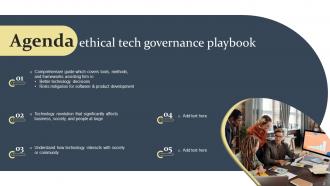
Slide 2: This slide depicts the Agenda of the presentation.
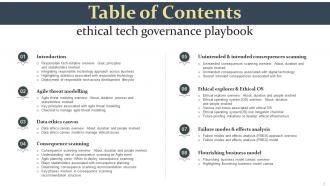
Slide 3: This slide incorporates the Table of contents.
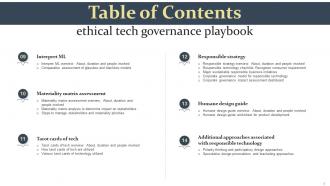
Slide 4: This slide continues the Table Of Contents.
Slide 5: This slide highlights the Title for the Topics to be covered further.
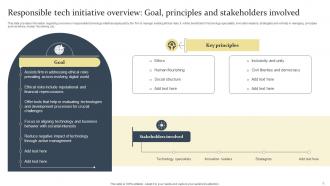
Slide 6: This slide provides information regarding overview or responsible technology initiatives deployed by the firm to manage existing ethical risks.
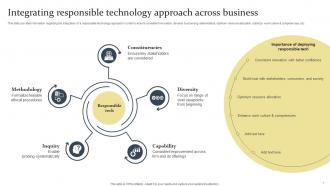
Slide 7: This slide talks about Integrating responsible technology approach across business.
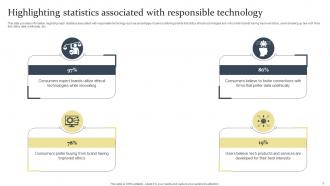
Slide 8: This slide deals with Highlighting statistics associated with responsible technology.
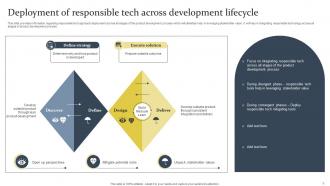
Slide 9: This slide focuses on Deployment of responsible tech across development lifecycle.
Slide 10: This slide elucidates the Heading for the Components to be discussed next.
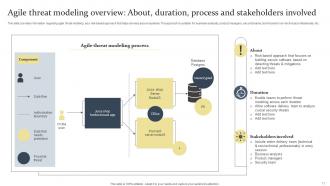
Slide 11: This slide provides information about Agile threat modeling overview.
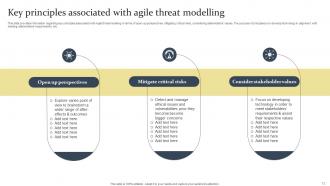
Slide 12: This slide focuses on Key principles associated with agile threat modelling.
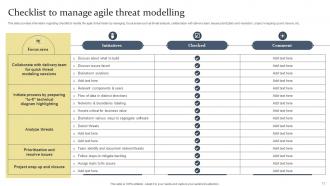
Slide 13: This slide mentions the Checklist to manage agile threat modelling.
Slide 14: This slide displays the Title for the Ideas to be covered further.
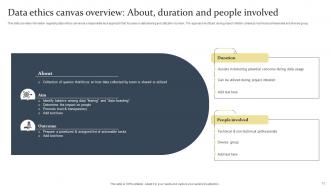
Slide 15: This slide provides information regarding data ethics canvas as a responsible tech approach that focuses on data sharing and utilization by team.
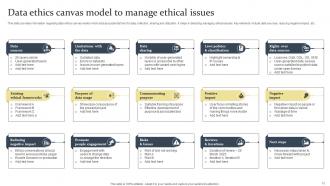
Slide 16: This slide shows Data ethics canvas model to manage ethical issues.
Slide 17: This slide incorporates the Heading for the Ideas to be discussed in the following template.
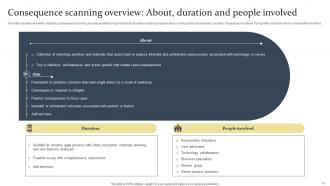
Slide 18: This slide provides information about consequence scanning as a responsible tech approach.
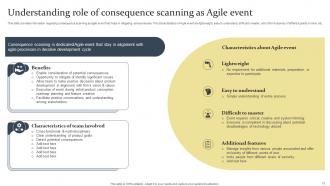
Slide 19: This slide deals with Understanding role of consequence scanning as Agile event.
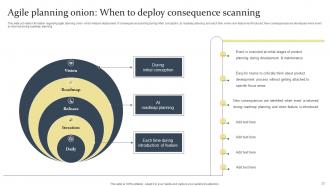
Slide 20: This slide provides information regarding agile planning onion which helps in deployment of consequence scanning.
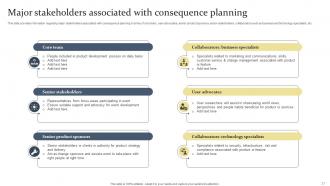
Slide 21: This slide showcases the Major stakeholders associated with consequence planning.
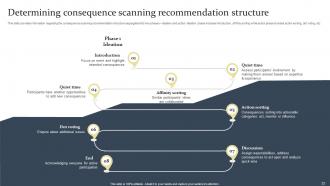
Slide 22: This slide emphasizes on Determining consequence scanning recommendation structure.
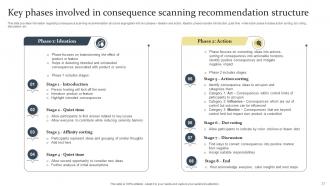
Slide 23: This slide depicts the Key phases involved in consequence scanning recommendation structure.
Slide 24: This slide reveals the Title for the Components to be covered in the following template.
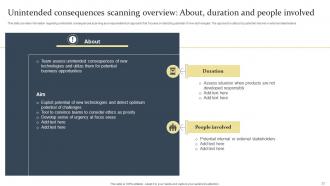
Slide 25: This slide represents the Unintended consequences scanning overview.
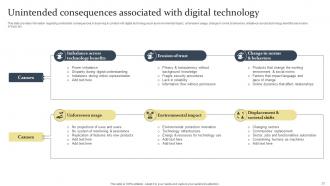
Slide 26: This slide showcases the Unintended consequences associated with digital technology.
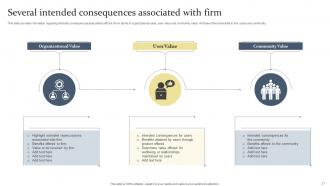
Slide 27: This slide displays the Several intended consequences associated with firm.
Slide 28: This slide elucidates the Heading for the Topics to be discussed next.
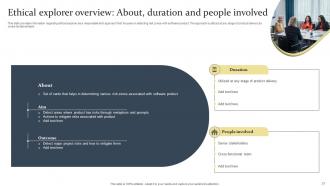
Slide 29: This slide provides information regarding ethical explorer as a responsible tech approach.
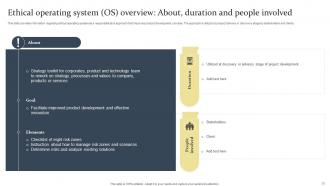
Slide 30: This slide provides information regarding ethical operating system as a responsible tech approach that improves product development process.
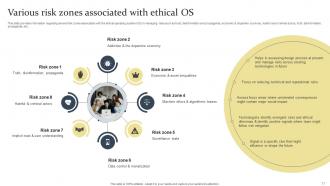
Slide 31: This slide reveals the Various risk zones associated with ethical OS.
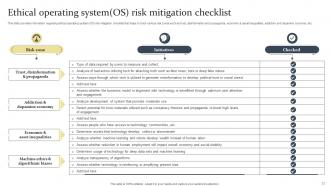
Slide 32: This slide focuses on Ethical operating system(OS) risk mitigation checklist.
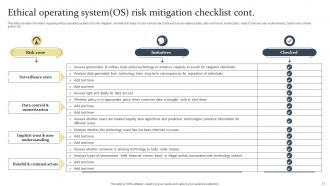
Slide 33: This slide continues the Ethical operating system(OS) risk mitigation checklist.
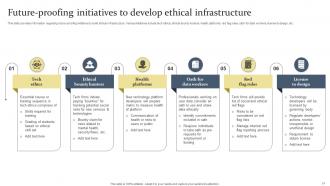
Slide 34: This slide provides information regarding future-proofing initiatives to build ethical infrastructure.
Slide 35: This slide presents the Title for the Topics to be covered in the following template.
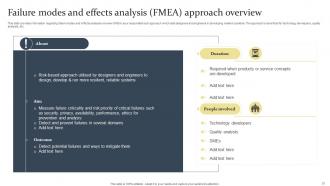
Slide 36: This slide showcases the Failure modes and effects analysis (FMEA) approach overview.
Slide 37: This slide talks about the Failure modes and effects analysis (FMEA) model.
Slide 38: This slide mentions the Heading for the Components to be discussed next.
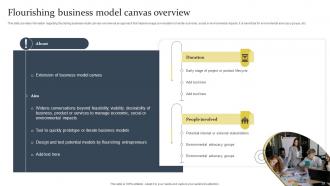
Slide 39: This slide portrays the Flourishing business model canvas overview.
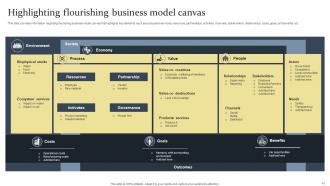
Slide 40: This slide Highlights the flourishing business model canvas.
Slide 41: This slide displays the Title for the Ideas to be covered in the following template.
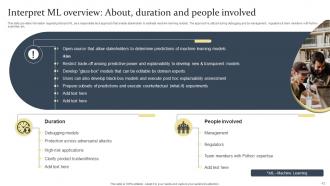
Slide 42: This slide provides information regarding Interpret ML as a responsible tech approach.
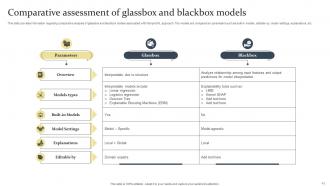
Slide 43: This slide deals with Comparative assessment of glassbox and blackbox models.
Slide 44: This slide displays the Heading for the Ideas to be discussed further.
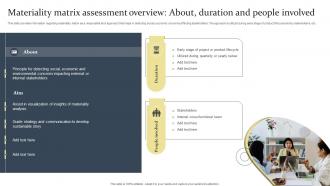
Slide 45: This slide portrays information regarding materiality matrix as a responsible tech approach.
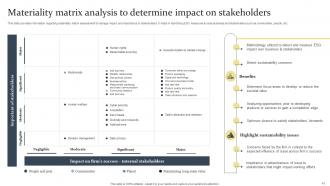
Slide 46: This slide illustrates the Materiality matrix analysis to determine impact on stakeholders.
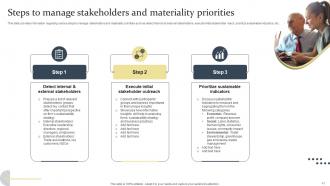
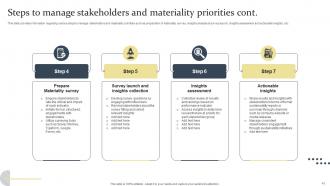
Slide 47: This slide states the Steps to manage stakeholders and materiality priorities.
Slide 48: This slide continues the Steps to manage stakeholders and materiality priorities.
Slide 49: This slide includes the Title for the Topics to be covered in the forth-coming template.
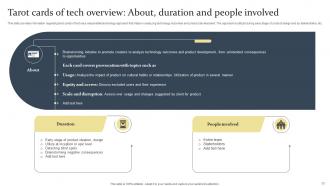
Slide 50: This slide provides information regarding tarot cards of tech as a responsible technology approach.
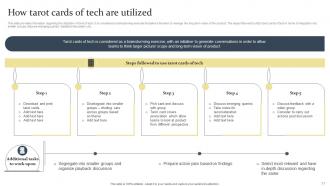
Slide 51: This slide presents the utilization of tarot of tech.
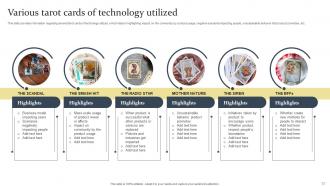
Slide 52: This slide exhibits the Various tarot cards of technology utilized.
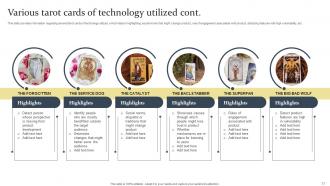
Slide 53: This slide continues the Various tarot cards of technology utilized.
Slide 54: This slide displays the Heading for the Components to be discussed next.
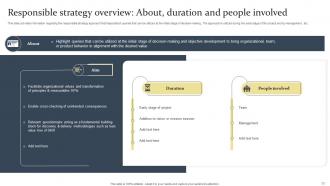
Slide 55: This slide provides information regarding the responsible strategy approach.
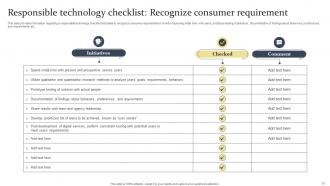
Slide 56: This slide showcases the responsible technology checklist.
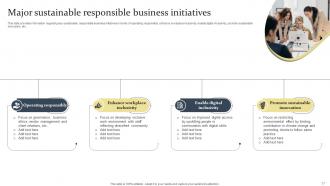
Slide 57: This slide exhibits the Major sustainable responsible business initiatives.
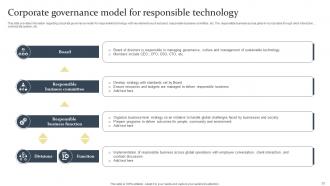
Slide 58: This slide highlights the corporate governance model for responsible technology with key elements.
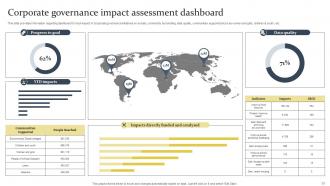
Slide 59: This slide reveals the Corporate governance impact assessment dashboard.
Slide 60: This slide mentions the Title for the Topics to be covered further.
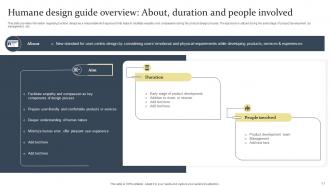
Slide 61: This slide provides information regarding humane design as a responsible tech approach.
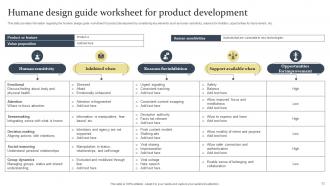
Slide 62: This slide presents the Humane design guide worksheet for product development.
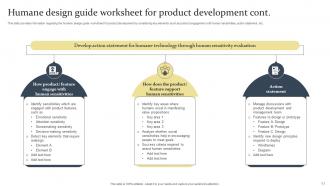
Slide 63: This slide continues the Humane design guide worksheet for product development.
Slide 64: This slide incorporates the Heading for the Components to be discussed in the following template.
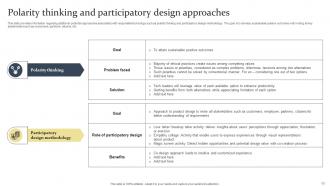
Slide 65: This slide deals with the Polarity thinking and participatory design approaches.
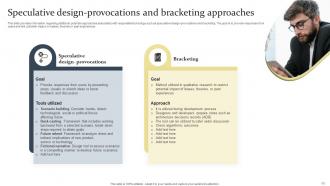
Slide 66: This slide talks about the Speculative design-provocations and bracketing approaches.
Slide 67: This is the Icons Slide containing all the Icons used in the plan.
Slide 68: This slide is used for showcasing some Additional information.
Slide 69: This is the About us slide. State your company-related information here.
Slide 70: This is Our Team slide. State your team-related information here.
Slide 71: This slide contains the Post it notes for reminders and deadlines.
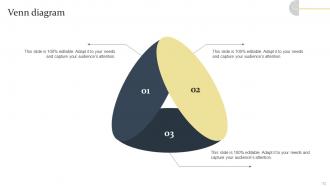
Slide 72: This is the Venn diagram slide.
Slide 73: This is the 30 60 90 days plan sldie for effective planning.
Slide 74: This slide elucidates the company Timeline.
Slide 75: This is the Idea Generation slide for encouraging new ideas.
Slide 76: This is the Thank You slide for acknowledgement.
Ethical Tech Governance Playbook Powerpoint Presentation Slides with all 81 slides:
Use our Ethical Tech Governance Playbook Powerpoint Presentation Slides to effectively help you save your valuable time. They are readymade to fit into any presentation structure.






















FAQs for Ethical Tech Governance Playbook
Okay so there's four main things you need to nail: transparency, accountability, fairness, and privacy protection. Your team should be able to explain how the algorithms actually work - and someone needs to own it when stuff breaks (because it will). Bias is basically inevitable, so don't just cross your fingers and hope for the best. Actually test for it regularly. Privacy can't be an afterthought either. Build it in from the start or you'll hate yourself later. Honestly, trying to do everything at once is overwhelming. Pick one area and set up proper review processes there first, then expand from there.
Document everything first - who's making decisions, what criteria you're using, impact evaluations. Show stakeholders your AI data sources and testing methods. Audits are honestly a huge pain but you'll need them. Get feedback from actual users, not just your internal people. Don't wait around for questions - be upfront about sharing info. Quarterly reports work well for covering tech updates, problems you're hitting, and how you're tackling ethics stuff. The whole point is staying ahead of it instead of being reactive, which always looks sketchy anyway.
Look, privacy laws like GDPR are basically what keep tech companies from going completely wild with your data. They force transparency and give users actual control - though some companies still try to weasel around them, obviously. CCPA does similar stuff here in the US. The cool thing is they push privacy-by-design thinking, so you're building protections from the ground up instead of slapping them on later. For your project, don't just tick the compliance boxes. Use these regs as your baseline, then go beyond that. It's way better than playing catch-up when something goes wrong.
Honestly, you've gotta bake ethics right into the process from the start - adding it later is such a mess. Get diverse people on your team who'll actually call out problems early. Set up regular "wait, what could go wrong?" checkpoints. I know everyone thinks this stuff slows you down, but trust me, it saves you from disasters later. Ethics review boards help too. Oh, and actually talk to the people your product affects - wild concept, right? Pick one project you're working on and just... run it through some ethics questions first. See how it feels.
Oh man, there are so many frameworks out there it's kinda overwhelming! IEEE's Ethically Aligned Design is solid for AI stuff - pretty thorough. The EU has their Ethics Guidelines for Trustworthy AI that hits transparency and accountability well. Mozilla's Internet Health Report is another good one, plus Partnership on AI's framework. Honestly though, just pick whatever fits your tech domain best. I'd probably go with IEEE first if you're doing AI work, then tweak it for your situation. Way better than trying to build something from scratch!
Honestly, you've gotta build in multiple ways for people to actually shape decisions, not just give feedback that disappears into the void. Advisory boards work well - mix in users, community folks, ethics people, not just the tech crowd. Run consultations early while you can still pivot. For complicated stuff, try citizen panels or similar approaches. People get pissed when they feel like they're just box-checking exercises, so be transparent about how you're using their input. Also don't just rely on the same people who always show up to these things - that's a trap I see constantly. Build this into your timeline from day one instead of scrambling to add it later.
Ugh, algorithmic bias is such a pain - it basically screws up everything you're going for with ethical AI. Creates unfair outcomes that hit certain groups harder, even when you didn't mean for that to happen. The annoying thing is bias sneaks in everywhere: your training data, how you design the model, even just how you frame what problem you're solving. You'll want to set up solid testing to catch it early and get diverse people reviewing your stuff. Oh, and don't forget monitoring once it's live. Honestly? Start by auditing what you've got now before launching anything else.
Honestly, you gotta document who's calling the tech shots first. Make people do impact assessments for anything touching user data - that's where companies get burned. Don't let engineers make every decision though, bring in other voices. The real challenge? Actually holding people accountable when they mess up. Most places are terrible at this part. Set up regular system audits and clear escalation paths. Oh, and definitely tie this stuff to performance reviews - otherwise nobody really cares. It's kinda wild how many companies skip that last step.
Honestly, you'll want to figure out who all your stakeholders are first - users, communities, employees, random people who might get caught up in it. Don't just think "oh privacy bad" either. Get specific about actual problems that could happen, like people losing jobs or your algorithm screwing over certain groups unfairly. Having outsiders look at your scenarios helps tons since you're probably missing obvious stuff. Write it all down and keep updating it - this isn't some one-and-done thing you check off a list. Oh, and build in checkpoints throughout development, not just right before you ship.
Yeah, cultural differences totally change how people see tech ethics. Privacy is a perfect example - some cultures are all about individual rights while others care more about what's good for everyone. Who do you trust more, the government or companies to regulate this stuff? That answer changes completely depending on where you're from. Honestly, I think the whole "community harmony vs personal freedom" thing makes these discussions way messier than they need to be. But you've gotta get different cultural voices involved early on, because your "obviously right" answer might be someone else's nightmare scenario.
Look, CSR is basically the bridge between what your company preaches and what it actually does with tech stuff. They're the ones pushing for data privacy policies, AI ethics reviews, algorithmic fairness - you know, the real accountability work that happens outside those boring board meetings. Most CSR teams are behind transparency reports and getting different stakeholders involved in tech decisions. Honestly, if you want to get ethical considerations into your company's decision-making, CSR is probably your best ally. They actually have some pull when it comes to shaping how things get done internally.
Don't treat ethics like some annual training you suffer through - weave it into everything. Code reviews, sprint planning, design sessions. Make sure people can actually speak up about sketchy stuff without getting side-eyed (seriously, I've watched teams build garbage because nobody felt safe saying "wait, this is weird"). We do these "ethics spotlights" in standups where we hash out real scenarios. Add an ethics item to your definition of done. The goal is normalizing "should we build this?" instead of just "can we build this?" Works way better than you'd think.
Honestly, most efforts die because nobody wants to commit real money to public broadband and device programs in underserved areas. That's your starting point though. Digital literacy training comes next - but make it actually relevant to people's lives, not some generic computer class. Your design team needs to think about diverse users from the beginning too, which sounds obvious but... yeah, most don't. I'd start by checking your current stuff for accessibility issues and partnering with local organizations. They'll tell you what people actually need vs what you think they need.
Look, you can't just slap ethics on at the end - build it in from the start. Make privacy settings actually understandable, don't use those sneaky dark patterns that trick people into giving up data. Respect users' time too. Some apps are literally designed like casinos, which is gross. Be transparent about how your algorithms work and give people real control over their experience. I'd start by checking your current designs for manipulative stuff, then create some guidelines for your team. Oh and vary your sentence lengths - keeps things interesting.
So ethical tech governance means auditing your whole supply chain - labor practices, environmental stuff, data handling, all of it. No more ignoring suppliers who use conflict minerals or treat workers badly (which frankly should've happened ages ago). Yeah, you'll need way more transparency from vendors. That usually costs more and takes longer to vet everyone. But you end up with stronger partnerships with suppliers who actually give a damn about the same things you do. I'd start by mapping out your current chain first, then figure out where the biggest ethical red flags are. That's your roadmap right there.
-
SlideTeam just saved my project! Thank you so much. The variety of templates helped me showcase multiple perspectives easily.
-
Great quality product.