


Europe Flag Building Continent Waving Union Stars




Try Before you Buy Download Free Sample Product
 Impress Your
 Audience
 100%
100% Editable
 Save Hours
 of Time


Our Europe Flag Building Continent Waving Union Stars are topically designed to provide an attractive backdrop to any subject. Use them to look like a presentation pro.
People who downloaded this PowerPoint presentation also viewed the following :
Europe Flag Building Continent Waving Union Stars with all 12 slides:
Use our Europe Flag Building Continent Waving Union Stars to effectively help you save your valuable time. They are readymade to fit into any presentation structure.

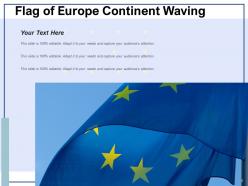
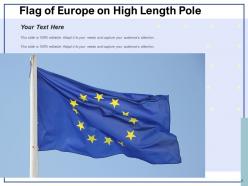
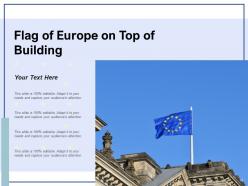
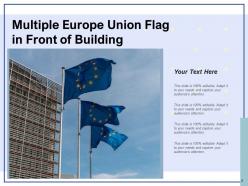

FAQs for Europe Flag Building Continent
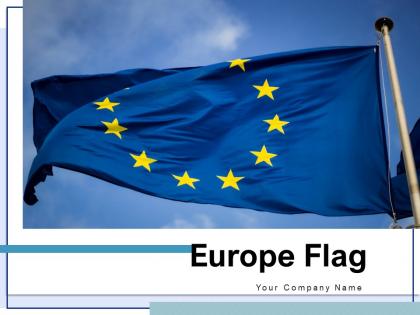
So the EU flag has this interesting backstory - it was actually made for the Council of Europe back in 1955, way before the EU even existed. They adopted it in 1986. Those twelve gold stars on blue? They represent unity, and weirdly the number never changes even though there are 27 member countries now. The blue is supposed to be Europe's sky, stars arranged in a circle for solidarity or whatever. Honestly, once you're in Europe you'll see it everywhere alongside country flags. Pretty much signals you're in EU territory with all their shared laws and stuff.
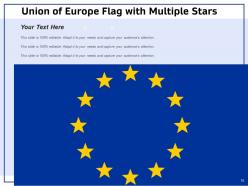
So the EU flag is actually pretty clever - twelve gold stars in a circle on blue. Twelve's supposed to represent completeness (like the zodiac or apostles), and it stays fixed no matter how many countries join. Circle means equality since no star's more important than the others. The blue represents the western sky, which honestly sounds a bit poetic for politics but whatever. They basically wanted something that felt timeless and inclusive rather than tied to one specific country. Smart move when you're trying to unite a whole continent.
So they went with blue because it's supposed to represent the sky and all those western ideals - peace, stability, that whole thing. Actually called "Reflex Blue" which honestly sounds pretentious lol. Back in 1955, the Council of Europe used this shade for their flag first. Then the EU just copied the same design in 1985 and kept the blue to show they're connected to those European values. Blue also means truth and loyalty apparently, pretty typical flag stuff. Oh and if you're ever making EU things, that exact shade is trademarked so you'd need to match it perfectly.
Oh that's actually pretty cool - the twelve stars aren't about member countries at all! They represent unity and harmony among European peoples. Twelve was picked because it symbolizes completeness in tons of cultures (zodiac, months, you know). The whole circle thing shows unity, and they went with gold stars on blue for the European values or whatever. Even though the EU has like 27 members now, they stuck with the original design. Kind of smart honestly, since otherwise they'd be redesigning the flag every time someone joined! So yeah, it's about ideals, not headcount.
Honestly, the EU flag is kinda boring design-wise. It's been basically the same since 1955 - just those twelve gold stars in a circle on blue. The Council of Europe made it first, then the EU started using it in 1986. That's it! No major changes in almost 70 years, which is pretty wild when you think about it. The only thing that's really evolved is how much more people recognize it now as the EU got bigger. For your project, you'd probably have better luck focusing on what the symbolism means or how it became more famous, since there's literally nothing visual to track.
So you know how those twelve gold stars on blue pop up everywhere - EU buildings, your passport, official events? It's basically a constant visual nudge that your country's part of this bigger European thing. Kind of like team colors, honestly. When member states fly it during summits and ceremonies, it normalizes the whole "working together" vibe instead of everyone just competing. I mean, think about it - 27 countries actually choosing to be partners is pretty wild when you put it that way. Next time you see one, that's what it represents.
Yeah, you'll see that EU flag literally everywhere official - documents, events, buildings, the works. They display it next to member countries' flags at all their big meetings and conferences. Super picky about how it's positioned too, which is kinda funny but whatever. Also shows up on funding stuff when they sponsor projects. Oh, and if you're doing anything EU-related work, they've got these brand guidelines you should probably check out first. Don't want to mess up their precious flag placement rules, right?
You can pretty much display the EU flag anywhere in member countries without legal issues. Most places actually like it - especially government buildings and official stuff. Just fly it with your national flag or whatever. Quick heads up though - some local councils have weird little rules about flag etiquette, but nothing major. The EU pushes it as a unity symbol anyway, so countries are chill about it. Honestly, I'd just double-check with your local council if you're doing anything official. Saves you from some bored bureaucrat getting pissy about protocols later.
The EU flag's pretty different from most country flags - instead of historical colors or cultural symbols, they went totally abstract. Twelve gold stars in a perfect circle on blue. Fun fact: the twelve doesn't represent member countries (I know, weird right?). It's supposed to symbolize perfection and completeness or something. Most flags tell specific stories through stripes, crosses, emblems, whatever. But the EU was all about that aspirational unity vibe. Oh, and if you're designing with it - those stars have to stay in that exact circle formation. Their brand guidelines are super strict about that part.
Honestly, reactions to the EU flag are all over the place. In Germany and Belgium, people generally love it - see it as this symbol of unity and peace. But head to Poland or parts of Italy? Totally different story. Lots of folks there think it represents Brussels telling them what to do. Urban areas and younger people tend to be way more into it than rural or older crowds. Oh, and here's the weird part - you can literally drive 50 miles and find completely opposite opinions in the same country. So yeah, definitely check the local vibe before using it in any messaging.
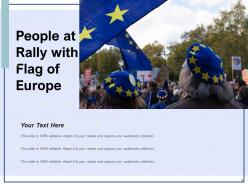
So the EU flag has become this huge thing in protests lately - Brexit demos, Poland's rule of law stuff, Hungarian opposition rallies. Pro-EU folks wave it everywhere as their "we believe in European values" symbol. Democracy, human rights, that whole package. Naturally pisses off eurosceptics who think it's outside meddling, but whatever. Short sentences here work. Anti-authoritarian movements just gravitate toward it automatically. Honestly, it's become a pretty reliable way to figure out which side a protest is on - if you see those blue flags with the stars, they're probably pro-establishment European politics. Makes tracking this stuff way easier.
So if you're in an EU country, put it same size as national flags - left side when people are looking at it. Government buildings have stricter rules about when they have to show it. Non-EU countries? Way more chill since they don't have to follow EU rules. You can basically do whatever, though being respectful is probably smart. Just don't put it below other flags or let it get all torn up - that's tacky. Oh and if it's some official thing, maybe check with the local EU office first? Rules can get weird depending on the situation.
So most European schools just naturally include the EU flag when they're covering civics or talking about how the EU works. It's literally hanging in classrooms next to country flags - once you notice it, you see it everywhere. Kids learn those twelve stars don't actually represent the number of countries (which honestly surprised me when I found out). They stand for unity instead. Schools do big Europe Day things in May where the flag's all over presentations and stuff. Oh, and if you're making curriculum, tie it to actual EU news happening now. Makes it way less boring for students.
Yeah, Brexit totally changed how the EU flag works now. It's everywhere at protests and political stuff - way more than before. Pretty ironic that Britain leaving actually made everyone else care more about it, right? The flag used to just feel like boring bureaucrat stuff, but now it's this whole symbol of sticking together and European values. I notice it shows up constantly in political debates about integration too. Honestly, if you're following EU politics, just watch where that flag pops up. It's become this real statement now instead of just decoration.
So basically the EU flag is actually pretty clever about this. Those 12 gold stars on blue? They don't represent any specific country, which means nobody gets left out or feels less important. There's no national colors or symbols that would make it favor one culture over others. The stars form a circle - unity but each one stays individual, kind of like how the countries work together but keep their own identities. Honestly it's kind of brilliant design when you think about it. Next time you see one, you'll notice how it represents all 27 cultures without erasing anyone.
-
Great product with effective design. Helped a lot in our corporate presentations. Easy to edit and stunning visuals.
-
Design layout is very impressive.