

Exploring Biomems Technology Innovations In Biomedicine PPT Sample ST AI





Try Before you Buy Download Free Sample Product
 Impress Your
Audience
 100%
Editable
 Save Hours
of Time


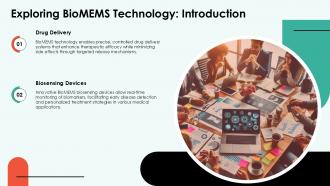
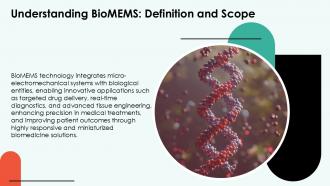
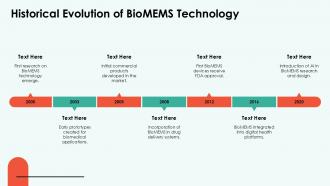
Discover cutting-edge advancements in biomedicine with our Exploring BioMEMS Technology Innovations PowerPoint presentation. This comprehensive deck delves into the latest BioMEMS innovations, showcasing their applications, benefits, and future potential in healthcare. Perfect for professionals seeking to enhance their knowledge and drive innovation in biomedical technology.
People who downloaded this PowerPoint presentation also viewed the following :
Exploring Biomems Technology Innovations In Biomedicine PPT Sample ST AI with all 42 slides:
Use our Exploring Biomems Technology Innovations In Biomedicine PPT Sample ST AI to effectively help you save your valuable time. They are readymade to fit into any presentation structure.
















FAQs for Exploring Biomems Technology Innovations In Biomedicine PPT
BioMEMS devices comprise microfluidic channels, biosensors, actuators, signal processing units, and biocompatible substrates that enable precise biological analysis at microscale levels. These integrated components streamline diagnostic processes by automating sample handling, enhancing detection sensitivity, and minimizing reagent consumption, with healthcare institutions finding that such devices deliver faster patient results and reduced operational costs.
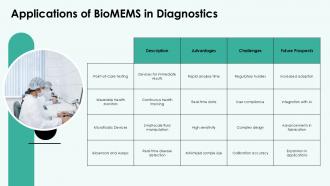
Recent BioMEMS advancements have revolutionized healthcare diagnostics by enabling miniaturized sensors, lab-on-chip devices, microfluidic systems, real-time monitoring capabilities, and point-of-care testing solutions. These innovations streamline diagnostic processes by delivering faster results, reducing sample volumes, and enhancing accuracy, with hospitals and clinics finding that portable diagnostic tools significantly improve patient outcomes while reducing operational costs.
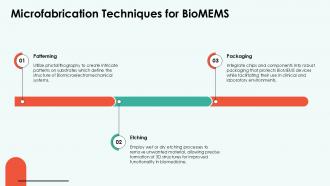
Microfabrication techniques serve as the foundational manufacturing processes for BioMEMS devices, enabling precise creation of microstructures, channels, sensors, and actuators at cellular and molecular scales. These advanced fabrication methods, including photolithography, etching, and surface modification, streamline the development of medical diagnostics, drug delivery systems, and biosensors, ultimately delivering enhanced precision, miniaturization capabilities, and cost-effective production for healthcare applications.
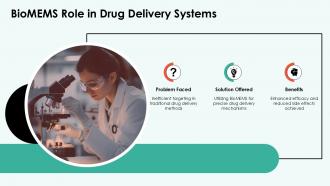
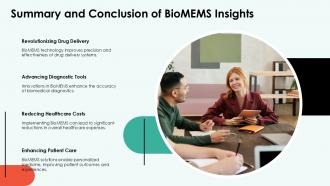
BioMEMS revolutionize personalized medicine by enabling real-time biomarker monitoring, precise drug dosing, and targeted therapeutic delivery at the cellular level. These microscale devices integrate with wearable sensors and implantable systems to continuously track patient responses, while smart drug delivery platforms automatically adjust medication concentrations, ultimately delivering customized treatment protocols that enhance efficacy and minimize side effects.
BioMEMS commercialization faces regulatory complexity, manufacturing scalability, integration challenges with existing healthcare systems, and high development costs. While these present significant hurdles, many medical device companies are finding that strategic partnerships with regulatory consultants and manufacturing specialists streamline approval processes, ultimately delivering faster market entry and competitive advantage in the expanding digital health landscape.
AI integration revolutionizes BioMEMS applications by enabling real-time data analysis, predictive diagnostics, and adaptive sensor responses across healthcare and biotechnology sectors. Through machine learning algorithms, these intelligent microsystems streamline patient monitoring, enhance drug delivery precision, and automate laboratory processes, with hospitals and research institutions finding that AI-powered BioMEMS devices ultimately deliver faster diagnostic results and improved treatment outcomes.
Material innovations driving BioMEMS evolution include biocompatible polymers, silicon-based microstructures, flexible substrates, smart hydrogels, and nanocomposite materials that enhance device performance and biological integration. These advanced materials enable medical devices to deliver improved biocompatibility, enhanced sensitivity, and miniaturized functionality, with healthcare applications in drug delivery, diagnostic sensors, and implantable monitoring systems ultimately providing more precise treatments and better patient outcomes.
BioMEMS facilitate real-time monitoring by integrating miniaturized sensors, wireless communication systems, and biocompatible materials that continuously track vital signs, glucose levels, and other biomarkers. These devices enable healthcare providers to remotely monitor patients, reduce hospital readmissions, and deliver personalized treatments, with many medical institutions finding that continuous data collection significantly enhances patient outcomes and operational efficiency.
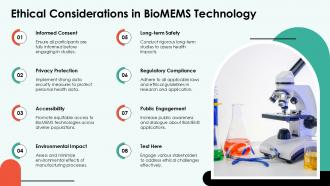
BioMEMS in clinical settings present ethical considerations including patient privacy and data security, informed consent complexity, equitable access across populations, long-term safety monitoring, and regulatory transparency. These technologies enhance diagnostic precision and treatment personalization, with many healthcare institutions finding that comprehensive ethical frameworks ultimately deliver improved patient outcomes while maintaining trust and ensuring responsible innovation in medical care.
BioMEMS technology enhances wearable health devices by enabling miniaturized sensors, real-time biomarker detection, and continuous physiological monitoring with unprecedented accuracy. These microsystems streamline glucose monitoring, cardiovascular tracking, and drug delivery applications, with healthcare providers and fitness companies finding that integrated BioMEMS deliver more personalized patient insights and improved treatment outcomes.
BioMEMS are revolutionizing environmental monitoring through miniaturized sensors for water quality analysis, air pollution detection, soil contamination assessment, and real-time ecosystem health tracking. These microsystems enable continuous environmental data collection with enhanced precision and reduced costs, while organizations across agriculture, municipal water treatment, and industrial facilities find that integrated BioMEMS deliver faster response times and more comprehensive environmental insights.
BioMEMS revolutionizes regenerative medicine by enabling precise cell manipulation, real-time tissue monitoring, controlled drug delivery, and microscale environmental control for optimal tissue growth. These technologies streamline therapeutic development in cardiovascular, neural, and orthopedic applications, with many medical institutions finding that integrated BioMEMS platforms accelerate healing processes, reduce treatment costs, and deliver personalized regenerative therapies.
Regulatory frameworks significantly influence BioMEMS development through stringent safety requirements, extensive clinical testing protocols, and comprehensive documentation standards that ensure patient safety while extending development timelines. These regulations, while presenting compliance challenges, ultimately enhance market credibility and global adoption, with many medical device companies finding that early regulatory consultation streamlines approval processes and accelerates market entry.
Future trends in BioMEMS include advanced lab-on-chip systems, AI-integrated diagnostics, implantable continuous monitoring devices, personalized therapeutic delivery systems, and wireless biosensing networks. These innovations enhance healthcare delivery by enabling real-time patient monitoring, accelerating drug development, and streamlining diagnostic processes, with hospitals and pharmaceutical companies finding that integrated BioMEMS solutions ultimately deliver faster treatment decisions and improved patient outcomes.
Interdisciplinary collaboration accelerates BioMEMS innovation by combining expertise from engineering, biology, materials science, and clinical medicine, enabling breakthrough solutions that single disciplines cannot achieve alone. Through strategic partnerships between universities, medical institutions, and technology companies, researchers streamline device development cycles, enhance biocompatibility testing, and deliver faster market-ready innovations, ultimately revolutionizing healthcare diagnostics and treatment delivery.
-
If you have visited their site and failed to find the products, try reaching the customer service because it will be the case that you didn't use the search bar well.
-
Great quality slides in rapid time.