


Fake News Detection In Social Media PPT Graphics ACP





Try Before you Buy Download Free Sample Product
 Impress Your
 Audience
 100%
100% Editable
 Save Hours
 of Time


Discover our comprehensive PowerPoint presentation deck on Fake News Detection in Social Media. Featuring engaging graphics and insightful data, this resource equips professionals with essential strategies and tools to identify and combat misinformation online. Elevate your understanding and presentation skills with our expertly crafted visuals and content.
People who downloaded this PowerPoint presentation also viewed the following :
Fake News Detection In Social Media PPT Graphics ACP with all 39 slides:
Use our Fake News Detection In Social Media PPT Graphics ACP to effectively help you save your valuable time. They are readymade to fit into any presentation structure.
-

Fake News Detection In Social Media PPT Graphics ACP
-

Fake News Detection In Social Media PPT Graphics ACP
-

Fake News Detection In Social Media PPT Graphics ACP
-

Fake News Detection In Social Media PPT Graphics ACP
-

Fake News Detection In Social Media PPT Graphics ACP
-

Fake News Detection In Social Media PPT Graphics ACP
-

Fake News Detection In Social Media PPT Graphics ACP
-

Fake News Detection In Social Media PPT Graphics ACP
-

Fake News Detection In Social Media PPT Graphics ACP
-

Fake News Detection In Social Media PPT Graphics ACP
-

Fake News Detection In Social Media PPT Graphics ACP
-

Fake News Detection In Social Media PPT Graphics ACP
-
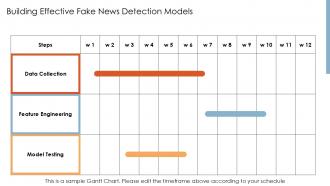
Fake News Detection In Social Media PPT Graphics ACP
-

Fake News Detection In Social Media PPT Graphics ACP
-

Fake News Detection In Social Media PPT Graphics ACP
-

Fake News Detection In Social Media PPT Graphics ACP
-

Fake News Detection In Social Media PPT Graphics ACP
-

Fake News Detection In Social Media PPT Graphics ACP
-

Fake News Detection In Social Media PPT Graphics ACP
-

Fake News Detection In Social Media PPT Graphics ACP
-

Fake News Detection In Social Media PPT Graphics ACP
-

Fake News Detection In Social Media PPT Graphics ACP
-

Fake News Detection In Social Media PPT Graphics ACP
-

Fake News Detection In Social Media PPT Graphics ACP
-

Fake News Detection In Social Media PPT Graphics ACP
-

Fake News Detection In Social Media PPT Graphics ACP
-

Fake News Detection In Social Media PPT Graphics ACP
-

Fake News Detection In Social Media PPT Graphics ACP
-

Fake News Detection In Social Media PPT Graphics ACP
-

Fake News Detection In Social Media PPT Graphics ACP
-

Fake News Detection In Social Media PPT Graphics ACP
-

Fake News Detection In Social Media PPT Graphics ACP
-

Fake News Detection In Social Media PPT Graphics ACP
-

Fake News Detection In Social Media PPT Graphics ACP
-

Fake News Detection In Social Media PPT Graphics ACP
-

Fake News Detection In Social Media PPT Graphics ACP
-

Fake News Detection In Social Media PPT Graphics ACP
-

Fake News Detection In Social Media PPT Graphics ACP
-

Fake News Detection In Social Media PPT Graphics ACP
FAQs for Fake News Detection In Social Media
Fake news typically exhibits sensational headlines, lacks credible sources, contains factual inaccuracies, shows clear bias, and spreads rapidly through social media channels. These characteristics enable media organizations, fact-checkers, and platforms to develop automated detection systems that identify misleading content, ultimately enhancing information credibility and public trust.
Algorithms differentiate between credible and fake news by analyzing source reputation, cross-referencing multiple publications, examining linguistic patterns, checking author credentials, and verifying factual claims against established databases. These sophisticated systems leverage machine learning to identify inconsistencies, emotional manipulation, and suspicious publication patterns, with social media platforms and news aggregators finding that multi-layered verification approaches significantly enhance content reliability and user trust.
Social media accelerates fake news proliferation through algorithmic amplification, rapid sharing mechanisms, echo chambers, and minimal content verification processes. These platforms enable misinformation to spread faster than traditional media, with studies showing false stories reaching audiences six times quicker than verified news, ultimately challenging information integrity and requiring sophisticated detection systems for credible communication.
Individuals can improve fake news detection by verifying sources, cross-checking information across multiple outlets, examining author credentials, checking publication dates, and analyzing emotional language or sensational headlines. These skills enable people to navigate information more critically, especially on social media platforms, with many finding that systematic fact-checking ultimately enhances their media literacy and decision-making capabilities.
Technology advancements for automated fake news detection include natural language processing, machine learning algorithms, sentiment analysis, blockchain verification, and deep learning neural networks. These technologies enhance detection accuracy by analyzing linguistic patterns, cross-referencing sources, and identifying manipulated content, with news organizations and social media platforms finding they significantly streamline content verification processes.
Existing fact-checking organizations demonstrate moderate effectiveness by verifying claims, correcting misinformation, and enhancing media literacy, though they face challenges with speed and reach limitations. While organizations like Snopes and PolitiFact deliver valuable verification services, they often cannot match the viral spread of false information, with many institutions finding that proactive detection technologies increasingly complement traditional fact-checking approaches.
Psychological factors include confirmation bias, emotional reasoning, social proof tendencies, cognitive overload, and tribal identity reinforcement. These mental shortcuts enable misinformation to spread rapidly through social networks, with organizations increasingly leveraging behavioral analytics and psychological insights to design more effective fact-checking systems, ultimately delivering enhanced media literacy and strategic communication approaches.
Fake news significantly erodes public trust in legitimate journalism by creating confusion about credible sources, spreading misinformation rapidly through social platforms, and polarizing communities around false narratives. This phenomenon undermines democratic discourse and informed decision-making, with many news organizations now investing heavily in fact-checking technologies and transparency initiatives to rebuild audience confidence and competitive credibility.
Legal implications of spreading fake news include defamation lawsuits, criminal charges in certain jurisdictions, regulatory fines, and potential imprisonment depending on severity and intent. These consequences vary significantly across countries, with many organizations finding that implementing robust content verification systems, employee training programs, and clear publication guidelines helps minimize legal exposure while maintaining credibility and competitive advantage.
Educational institutions can integrate fake news detection through media literacy courses, critical thinking workshops, AI-powered fact-checking tools, collaborative research projects, and cross-disciplinary case studies. These approaches enhance students' analytical skills while preparing them for an increasingly complex information landscape, with many universities finding that strategic integration across journalism, computer science, and social studies programs ultimately delivers more discerning graduates.
Journalists can minimize fake news impact through rigorous fact-checking protocols, cross-referencing multiple credible sources, transparent sourcing practices, and real-time verification tools. These strategies enhance credibility by establishing clear editorial standards, collaborating with verification networks, and engaging audiences in media literacy, ultimately delivering trusted journalism and competitive advantage in an increasingly fragmented information landscape.
Cultural perceptions of fake news vary significantly, with collectivist societies often prioritizing group consensus while individualist cultures emphasize personal verification and skepticism. These differences influence detection approaches and sharing behaviors, with some cultures relying more heavily on traditional authority sources while others favor crowdsourced validation, ultimately affecting how organizations tailor their content verification strategies globally.
AI presents both challenges and opportunities in the fake news landscape, enabling sophisticated deepfakes, automated content generation, and misleading article creation, while simultaneously powering detection through natural language processing, pattern recognition, and sentiment analysis. These technologies streamline verification by analyzing linguistic patterns, cross-referencing sources, and identifying manipulated media, with many news organizations and social platforms finding that AI-driven detection systems significantly enhance content authenticity and user trust.
Economic incentives behind fake news production include advertising revenue from high web traffic, political influence campaigns, stock manipulation schemes, and subscription-based misinformation platforms. These financial motivations create scalable business models that exploit social media algorithms and emotional engagement, with many organizations finding that sensational false content generates significantly higher click-through rates than factual reporting.
Communities can collaborate by establishing local fact-checking networks, hosting media literacy workshops, creating shared verification resources, and partnering with schools to integrate critical thinking education. These grassroots initiatives enable neighborhoods, civic organizations, and educational institutions to build collective resilience against misinformation, ultimately fostering more discerning information consumers and strengthening democratic discourse.
-
Loved the collection. Editing the presentation was seamless with their templates.
-
The slides are remarkable with creative designs and interesting information. I am pleased to see how functional and adaptive the design is. Would highly recommend this purchase!