


Finance Process Powerpoint PPT Template Bundles




Try Before you Buy Download Free Sample Product
 Impress Your
 Audience
 100%
100% Editable
 Save Hours
 of Time


Our Finance Process Powerpoint PPT Template Bundles are topically designed to provide an attractive backdrop to any subject. Use them to look like a presentation pro.
People who downloaded this PowerPoint presentation also viewed the following :
Finance Process Powerpoint PPT Template Bundles with all 23 slides:
Use our Finance Process Powerpoint PPT Template Bundles to effectively help you save your valuable time. They are readymade to fit into any presentation structure.
-
Finance Process
-
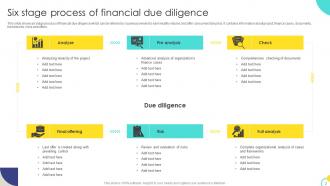
Six stage process of financial due diligence
-
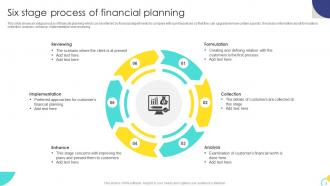
Six stage process of financial planning
-
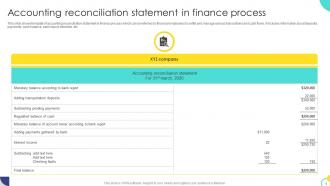
Accounting reconciliation statement in finance process
-
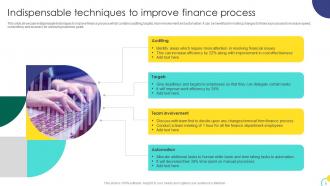
Indispensable techniques to improve finance process
-
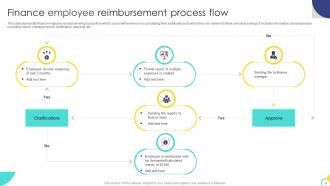
Finance employee reimbursement process flow
-
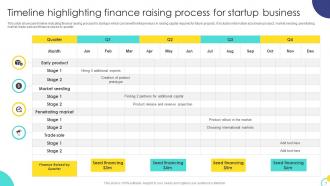
Timeline highlighting finance raising process for startup business
-
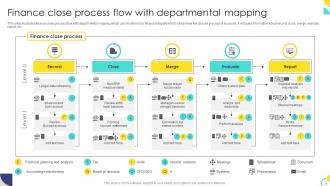
Finance close process flow with departmental mapping
-
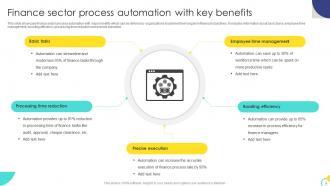
Finance sector process automation with key benefits
-
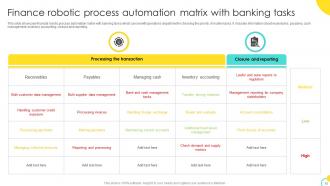
Finance robotic process automation matrix with banking tasks
-
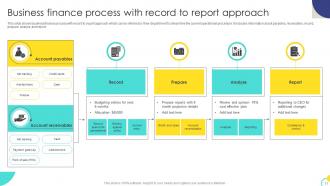
Business finance process with record to report approach
-
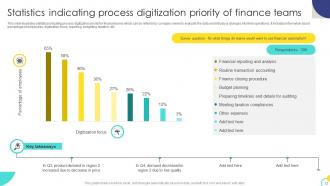
Statistics indicating process digitization priority of finance teams
-
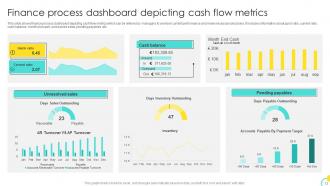
Finance process dashboard depicting cash flow metrics
-
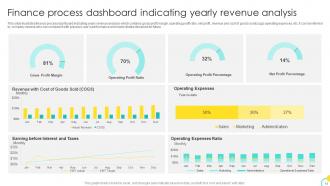
Finance process dashboard indicating yearly revenue analysis
-
Financial business process analysis icon
-
Finance manager showing investment process icon
-
Money management icon for finance process
-

Thanks for watching
-

-

-

-

-

FAQs for Finance Process Powerpoint
You'll want four main things: decent budgeting/forecasting, expense management that doesn't suck, reporting that's actually useful, and solid internal controls. Most teams totally botch the budgeting - either way too complicated or stupidly basic. Track expenses in real-time, not once a month like some dinosaur. Focus on metrics that help you make decisions, not just numbers that look pretty in presentations. Think of controls as your backup plan when things go sideways. The trick is making all four work together instead of treating them like separate departments. Oh, and figure out which one you're worst at first - that's your starting point.
Dude, automation is a total game changer for finance stuff. Gets rid of all that tedious data entry and cuts way down on mistakes. We started with automated invoice approvals and bank recs - saved probably 5+ hours a week just on AP. Month-end used to be absolute chaos, but now workflows run themselves overnight. Real-time reports instead of waiting around for someone to update spreadsheets? Yes please. Honestly, once you see how much time it frees up, you'll wonder why you didn't do it sooner. Start small though - pick one annoying process first.
Dude, data analytics is a game changer for finance stuff. You'll catch spending patterns you never noticed and actually predict cash flow problems before they blow up. Those repetitive tasks like sorting expenses? Totally automate that. The best part is finding where things get stuck - like invoices that sit forever because Karen and Steve take weeks to approve anything (classic). You can spot errors way earlier instead of scrambling at month-end, which honestly saves your sanity. Just pick one area like expenses or accounts payable to start with and you'll see the wins pretty fast.
Build compliance right into your finance workflows from the start - don't just bolt it on later. Automated controls are your friend here: approval limits, segregation of duties, transaction monitoring. Internal audits suck but they'll save your ass when regulators come knocking. Your team needs constant training since regulations change like the weather. Document absolutely everything because auditors live by "if it wasn't written down, it never happened." Oh, and map out your current processes first to spot where you're vulnerable. Trust me on this one.
Honestly, start with automating your data collection - pulling from existing systems saves tons of time. Get everyone using the same templates too, otherwise you'll be translating between departments forever. Rolling forecasts work way better than those rigid annual budgets that become useless by March. I'd focus on driver-based forecasting where you track what actually matters to your bottom line. Oh, and definitely loop in department heads early instead of springing finished budgets on them. They hate that. Don't try fixing everything at once though - pick one thing and nail it first.
Honestly, cross-departmental stuff is a game changer for finance accuracy and getting approvals faster. Instead of waiting around for those useless month-end reports, you'll get real-time info straight from operations, sales, and HR. Other departments actually get why budgets matter when they help create them - wild concept, right? Oh, and it cuts down on all that annoying back-and-forth email nonsense that drags everything out. My advice? Set up regular face-to-face check-ins with your main contacts. Way better than just firing off emails and hoping someone responds. Trust me on this one.
Ugh, the worst thing is when people don't write down their processes - then someone goes on vacation and everything breaks. Also, reconciliations that get pushed off forever? Recipe for disaster. Spreadsheet versioning will make you want to scream, trust me. Manual data entry is just asking for mistakes, so automate whatever you can. Don't overcomplicate workflows either - sometimes the "old way" is actually terrible. Here's what worked for me: sketch out what you're doing now, find the stuff that makes you want to pull your hair out, then fix those first. Quick wins add up fast.
Honestly, ERPs are pretty amazing for finance stuff. All your financial data gets centralized instead of being scattered everywhere. Manual data entry basically disappears, so you're not dealing with as many errors. Real-time reporting is huge too - no more waiting around for month-end numbers. Your AP, AR, and GL systems actually start talking to each other, which sounds boring but it's such a relief when it works. Cash flow visibility gets way better. I made the mistake of trying to do everything at once at my last job though. Start small with something like AP automation first, then expand from there. Way less stressful.
Start with cycle times - how long does your AP, month-end close, and budgeting actually take? Accuracy rates matter too, especially for data entry and reconciliations since fixing errors later is a nightmare. I know finance people hate this, but cost per transaction is really telling. Also track compliance rates and missed deadlines. The trick is finding that sweet spot between speed and accuracy. Nobody wants to be fast but completely wrong, you know? Just pick 3-4 metrics that hit your biggest headaches first.
Oh totally, finance processes are actually great for Lean Six Sigma stuff. All that repetitive work? Perfect candidate. Start with something everyone hates - like month-end close or AP workflows. Map out where things get stuck. I've seen teams literally cut close time in half just by ditching redundant approvals and automating reconciliations. DMAIC works well for this. Pick one annoying process first though, don't try to fix everything at once. You'll find so many "we've always done it this way" steps that are complete waste. Some of it you can automate entirely.
Honestly, external stuff hits your internal processes harder than you'd think. Inflation alone can force you to redo budgets halfway through the year - such a pain. Interest rates mess with how you allocate capital, and don't even get me started on supply chain issues screwing up procurement timing and cash flow. Currency swings are brutal if you're working with international partners. You really need flexibility built into your financial planning though. Quick pivots save your ass when these shocks happen. I'd probably run quarterly scenario sessions - stress test everything against different conditions. Sounds boring but it works.
Automate the boring stuff but don't go crazy with it. Set up controls for small invoice approvals, duplicate payments, that kind of thing - covers most of your risk without creating delays. Large transactions though? New vendors? Keep those manual. I've seen too many companies automate everything then wonder why they missed obvious red flags. The real win is having tech flag weird stuff so your team can focus on what actually needs attention. Map out where you're getting bogged down first - half of those "bottlenecks" are probably just busywork anyway, but some are actually saving your ass.
Start with basic bookkeeping - journal entries, reconciliation, that stuff. Even non-accountants need to get it. Software training is massive too, whatever ERP system you're stuck with plus Excel (because honestly, Excel runs the world). Don't skip compliance training either - internal controls, who can do what, industry regulations. Fraud awareness is smart to include. Oh, and tailor it to each person's actual job. No point teaching someone advanced reconciliation if they just need to understand the process. Build it up gradually from the fundamentals.
Honestly, good communication fixes like 90% of those annoying email chains where you're hunting down receipts or trying to decipher someone's expense report. Set clear deadlines and tell people exactly what docs they need upfront. I've watched teams literally cut their month-end close time in half with basic checklists - it's wild how much time gets wasted on confusion. Regular check-ins help too. People actually follow the rules when they understand why the procedures exist in the first place. Oh, and document your most common questions so you're not answering the same stuff over and over.
Oh dude, you've gotta check out AI automation and real-time analytics - they're totally changing the finance game. Cloud platforms make team collaboration so much easier too. Once you try real-time reporting, monthly closes will feel ancient honestly. There's also this embedded finance thing where financial tools just live inside your regular workflows instead of being separate apps (which is actually pretty cool). The whole industry's moving from just looking backward to predicting what's coming. Start with automating one small process first - that's how you get people on board without overwhelming everyone.
-
“As you have innovative ideas and they are all customizable, this saves a huge chunk of your time to prepare well-read presentations.”
-
The website is jam-packed with fantastic and creative templates for a variety of business concepts. They are easy to use and customize.