

Food And Beverage Industry Powerpoint Ppt Template Bundles




Try Before you Buy Download Free Sample Product
 Impress Your
 Audience
 100%
100% Editable
 Save Hours
 of Time


Our Food And Beverage Industry Powerpoint Ppt Template Bundles are topically designed to provide an attractive backdrop to any subject. Use them to look like a presentation pro.
People who downloaded this PowerPoint presentation also viewed the following :
Food And Beverage Industry Powerpoint Ppt Template Bundles with all 20 slides:
Use our Food And Beverage Industry Powerpoint Ppt Template Bundles to effectively help you save your valuable time. They are readymade to fit into any presentation structure.






FAQs for Food And Beverage Industry Powerpoint
Current trends shaping the food and beverage industry in 2023 include plant-based alternatives, sustainable packaging, personalized nutrition, direct-to-consumer delivery models, and AI-driven supply chain optimization. These innovations streamline operations by reducing waste, enhancing customer experiences, and improving inventory management, with many restaurants and food manufacturers finding that strategic technology integration ultimately delivers cost savings and competitive advantage.
Sustainability practices are being integrated through precision agriculture, renewable energy adoption, water conservation systems, waste reduction technologies, and sustainable packaging solutions. These approaches enable food producers to minimize environmental impact while reducing operational costs, with many agricultural companies and food manufacturers finding that sustainable processes ultimately deliver enhanced brand reputation, regulatory compliance, and long-term competitive advantage.
Technology enhances food safety and quality control through blockchain traceability, IoT sensors for real-time monitoring, AI-powered quality inspection, automated temperature controls, and predictive analytics for contamination prevention. These systems enable restaurants, food manufacturers, and distributors to identify issues faster, reduce waste significantly, and ensure compliance with safety standards, ultimately delivering safer products and enhanced consumer trust.
Plant-based diets have significantly transformed traditional food markets by driving product innovation, expanding retail shelf space, and reshaping consumer purchasing patterns across grocery, restaurant, and foodservice sectors. Major food manufacturers, retailers, and restaurant chains increasingly diversify their offerings with plant-based alternatives, ultimately delivering new revenue streams and competitive positioning in an evolving marketplace.
Small-scale food producers face significant challenges including regulatory compliance costs, limited distribution networks, supply chain disruptions, intense competition from larger brands, and access to affordable packaging solutions. These obstacles often strain resources and market reach, yet many producers find that strategic partnerships, direct-to-consumer channels, and niche positioning ultimately deliver competitive advantages and sustainable growth opportunities.
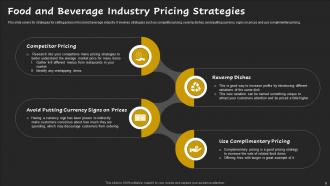
Consumer behavior significantly influences beverage pricing through demand elasticity, brand loyalty patterns, premium positioning preferences, and price sensitivity variations across demographics. Beverage companies analyze purchasing habits, seasonal consumption trends, and competitor responses to optimize pricing models, with many brands finding that strategic premium pricing for health-conscious or craft products delivers higher margins while value positioning captures price-sensitive segments.
Food delivery services are revolutionizing restaurant operations by expanding market reach, reducing overhead costs, enabling data-driven menu optimization, and creating new revenue streams beyond traditional dine-in experiences. These platforms streamline order management, enhance customer convenience, and allow restaurants to operate ghost kitchens, ultimately delivering increased profitability and competitive advantage in an increasingly digital marketplace.
Social media revolutionizes food and beverage marketing through visual storytelling, influencer partnerships, user-generated content, real-time engagement, and targeted advertising capabilities. These platforms enable restaurants, beverage brands, and food manufacturers to showcase products authentically, build community connections, and drive purchasing decisions, with many companies finding that strategic social presence significantly increases brand awareness and customer loyalty.
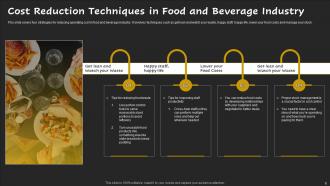
Companies can effectively address food waste through inventory optimization systems, demand forecasting analytics, portion control strategies, donation programs for surplus food, and composting initiatives for unavoidable waste. These approaches streamline operations by reducing procurement costs, enhancing supply chain efficiency, and improving sustainability metrics, with many restaurants and food manufacturers finding that integrated waste reduction delivers significant cost savings while strengthening their environmental credentials.
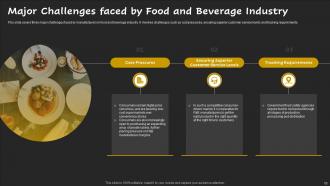
Global supply chain disruptions in the food and beverage industry create ingredient shortages, increased costs, delivery delays, quality control challenges, and shifts toward local sourcing strategies. While these disruptions present significant operational hurdles, they also drive innovation in supply chain diversification, automation technologies, and regional partnerships, with many companies finding that building resilient, flexible supply networks ultimately delivers competitive advantages and enhanced customer trust.
Health-conscious consumers are driving food and beverage companies to reformulate products with cleaner ingredients, reduce sugar and sodium content, and introduce organic, plant-based alternatives. This shift enables brands to capture premium market segments, enhance customer loyalty, and meet regulatory standards, with many companies finding that transparent labeling and functional foods deliver sustained competitive advantage.
Packaging innovations enhancing sustainability include biodegradable films, edible packaging, plant-based containers, smart packaging that reduces waste, and refillable systems. These technologies streamline environmental compliance by minimizing plastic usage, extending shelf life, and reducing carbon footprints, with many food manufacturers finding that sustainable packaging delivers cost savings while meeting increasingly demanding consumer expectations.
Cultural trends significantly influence beverage development by driving demand for health-conscious options, premium craft experiences, and globally-inspired flavors in alcoholic drinks. Breweries and distilleries increasingly leverage trends like wellness culture to create low-alcohol alternatives, sustainability movements to develop eco-friendly packaging, and social media aesthetics to craft Instagram-worthy products, ultimately delivering differentiated offerings that resonate with evolving consumer preferences.
Ethical sourcing considerations include fair labor practices, environmental sustainability, animal welfare standards, supply chain transparency, and community impact assessments. These practices enhance brand reputation by ensuring worker rights, minimizing environmental footprint, and supporting sustainable farming, with many food companies finding that ethical sourcing ultimately delivers consumer trust and competitive differentiation.
The intersection of gastronomy and technology revolutionizes culinary experiences through molecular gastronomy techniques, AI-driven flavor pairing, smart kitchen equipment, personalized nutrition platforms, and immersive dining technologies. These innovations enable restaurants and food manufacturers to create customized dishes, streamline operations, and enhance customer engagement, with many establishments finding that technology-enhanced culinary approaches deliver distinctive dining experiences and competitive advantages in an increasingly experience-driven market.
-
They saved me a lot of time because they had exactly what I was looking for. Couldn’t be happier!
-
The best part about SlideTeam is their meticulously prepared presentations (complete-decks and single-slides both), infused with high-quality graphics and easy to edit. All-in-all worthy products.