

Food And Beverages Company Profile Powerpoint Presentation Slides CP CD V





Try Before you Buy Download Free Sample Product
 Impress Your
Audience
 100%
Editable
 Save Hours
of Time


Explore our meticulously crafted Food and Beverages Company Profile PowerPoint presentation, a valuable resource that provides a concise overview of the essential facets of the organization. This presentation is tailor made to aid investors and stakeholders in assessing the businesss value and performance effectively. Focused on the Food and Beverages sector, the deck encompasses key components such as the executive summary, company introduction, mission, vision, core values, business model, global reach, and a comprehensive company history and milestones. The Coffee Shop Services template delves into the management team, essential statistics and figures, and revenue growth spanning from 2018 to 2022. Furthermore, the Cafe Business Financials PowerPoint examines crucial business strategies including pricing, marketing, employee management, and development. Additionally, the Starbucks Competitor Analysis module presents a comprehensive business analysis employing SWOT, PESTEL, and Porters five forces models. It outlines future business expectations and corporate social responsibility CSR activities. To conclude, the Business Profile deck showcases real life examples of Starbucks in action. Dont miss the opportunity to download our 100 percentage editable, customizable template, compatible with Google Slides, to gain valuable insights into the Starbucks Corporation. Get started today.
People who downloaded this PowerPoint presentation also viewed the following :
Content of this Powerpoint Presentation
Slide 1: This slide introduces Food and Beverages Company Profile. Put your Company name and begin.
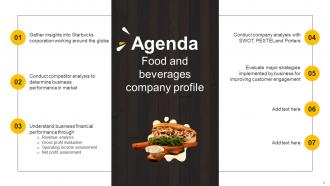
Slide 2: This is an Agenda slide. State your agendas here.
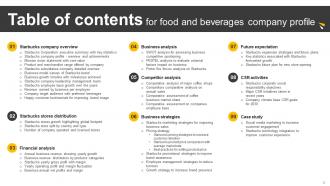
Slide 3: The slide displays table of contents.
Slide 4: The slide continues table of contents.
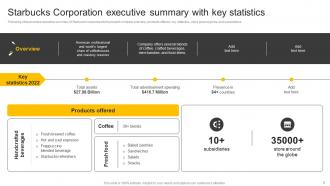
Slide 5: The slide provides executive summary of Starbucks business.
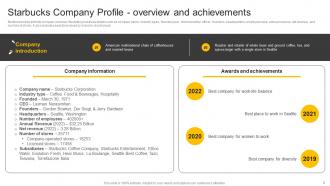
Slide 6: The slide exhibits company overview illustrating business details.
Slide 7: The slide outline Starbucks brand short and long-term objectives of Starbucks brand.
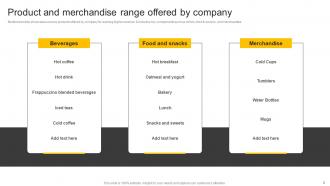
Slide 8: The slide showcases various products offered by company for earning higher revenue.
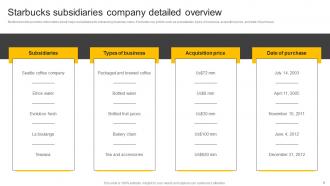
Slide 9: The slide provides information about major subsidiaries for enhancing business menu.
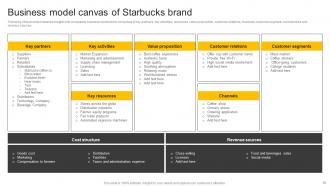
Slide 10: The slide shows detailed insights into companies business model.
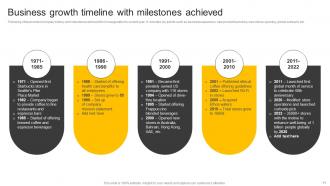
Slide 11: The slide presents company history and milestones achieved from inauguration to current year.
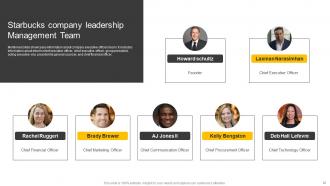
Slide 12: The slide showcases information about company executive officers team.
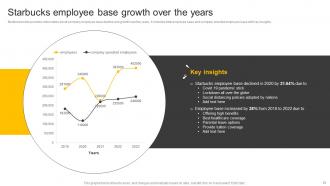
Slide 13: The slide provides information about company employee base decline and growth over the years.
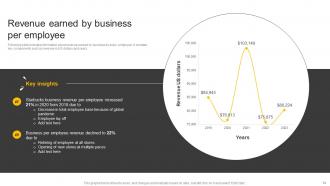
Slide 14: The slide includes information about revenue earned by business by every employee.
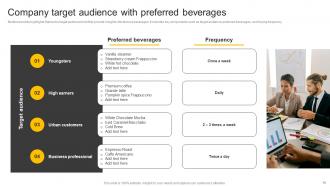
Slide 15: The slide highlights Starbucks target audience to further provide insights into famous beverages.
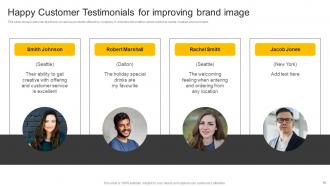
Slide 16: The slide shows customer feedback on various products offered by company.
Slide 17: The slide displays another Title of contents.
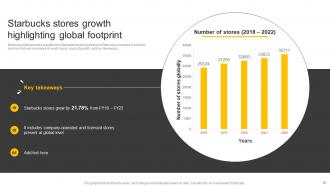
Slide 18: The slide provides insights into international store presence of Starbucks business.
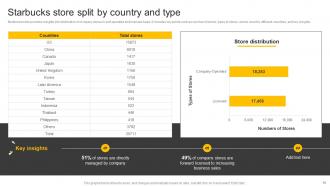
Slide 19: The slide presents insights into distribution of company stores in self-operated and licensed basis.
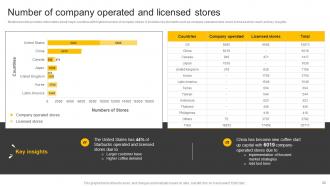
Slide 20: The slide renders information about major countries with highest number of company stores.
Slide 21: The slide highlights title of contents which is to be discussed further.
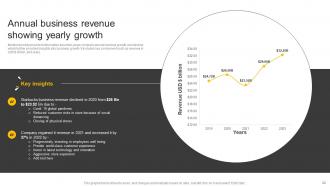
Slide 22: The slide provided information about ten years company annual revenue growth and decline.
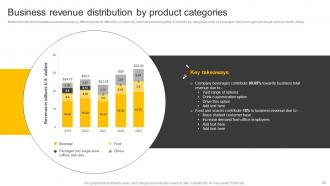
Slide 23: The slide demonstrates business revenue by different products offered by company to maximize business profits.
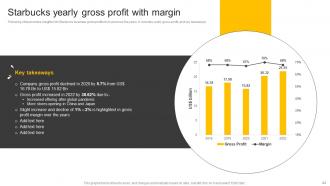
Slide 24: The slide provides insights into Starbucks business gross profits from previous five years.
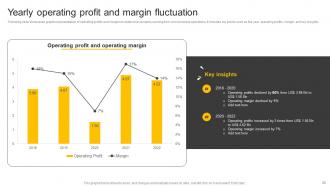
Slide 25: The slide showcases graphical presentation of operating profits and margins.
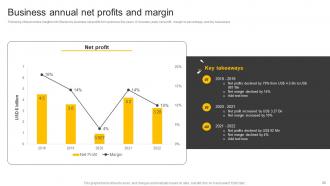
Slide 26: The slide provides insights into Starbucks business net profits from previous five years.
Slide 27: The slide depicts title of contents further.
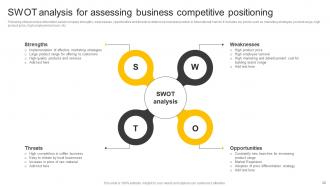
Slide 28: The slide provides information about company strengths, weaknesses, opportunities and threats.
Slide 29: This slide presents information about various external factors influencing business progress and development.
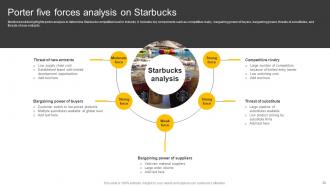
Slide 30: The slide highlights porter analysis to determine Starbucks competitive level in industry.
Slide 31: The slide displays another title of contents.
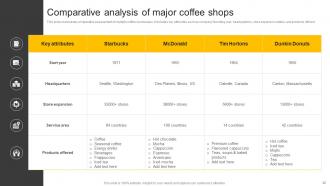
Slide 32: This slide showcases comparative assessment of multiple coffee businesses.
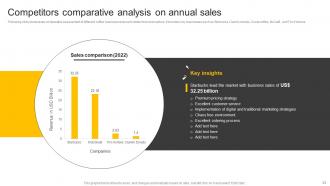
Slide 33: The slide shows comparative assessment of different coffee business revenue to determine best sellers.
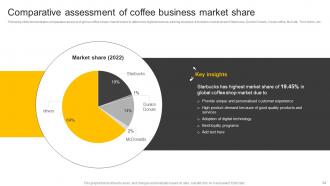
Slide 34: The slide demonstrates comparative analysis of global coffee shops market share.
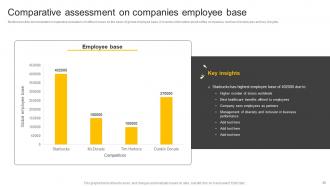
Slide 35: The slide describes comparative evaluation of coffee houses on the basis of global employee base.
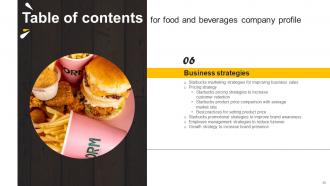
Slide 36: The slide displays title of contents further.
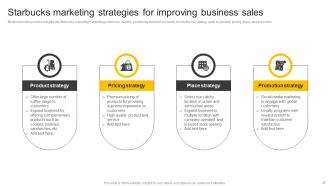
Slide 37: The slide highlights insights into Starbucks marketing mix strategy.
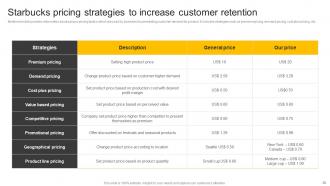
Slide 38: The slide provides information about various pricing tactics which are used by business.
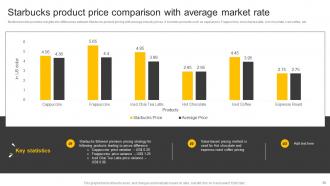
Slide 39: The slide provides insights into differences between Starbucks product pricing with average industry prices.
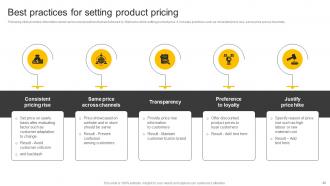
Slide 40: The slide shows information about various best practices that are followed by Starbucks.
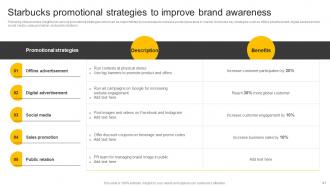
Slide 41: The slide represents insights into various promotional strategies which can be implemented by businesses.
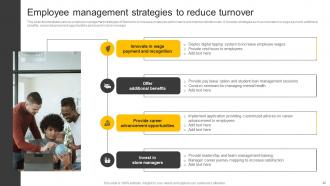
Slide 42: This slide demonstrates various employee management strategies of Starbucks.
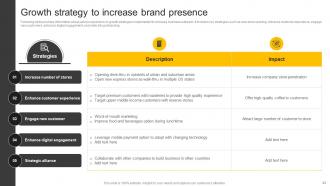
Slide 43: The slide provides information about various expansion or growth strategies implemented.
Slide 44: The slide highlights another title of contents.
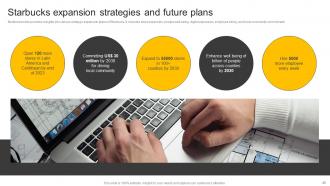
Slide 45: The slide provides insights into various strategic expansion plans of Starbucks.
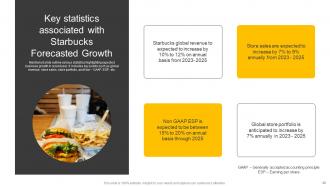
Slide 46: The slide outline various statistics highlighting expected business growth in recent year.
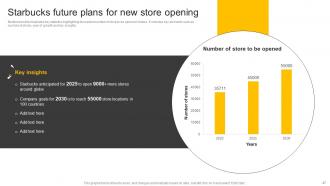
Slide 47: The slide illustrates key statistics highlighting forecasted number of store to be opened in future.
Slide 48: The slide depicts another title of contents.
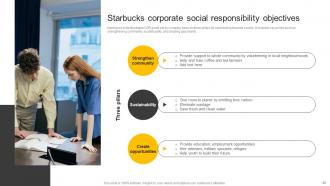
Slide 49: The slide illustrates CSR goals set by company base on three pillars for contributing towards society.
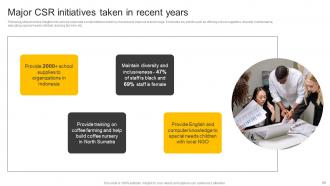
Slide 50: The slide presents insights into various corporate social initiatives taken by business to improve brand image.
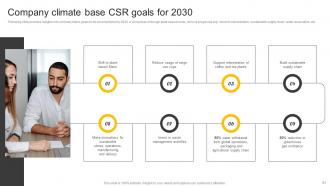
Slide 51: The slide provides insights into company future goals to be accomplished by 2030.
Slide 52: The slide shows title of contents further.
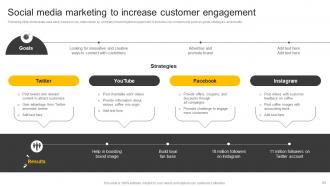
Slide 53: The slide showcases case study based on key steps taken by company toward digital engagement.
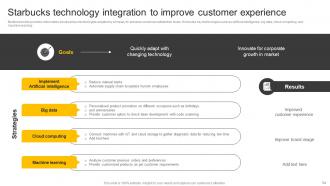
Slide 54: The slide provides information about various technologies adopted by company.
Slide 55: This slide shows all the icons included in the presentation.
Slide 56: This slide is titled as Additional Slides for moving forward.
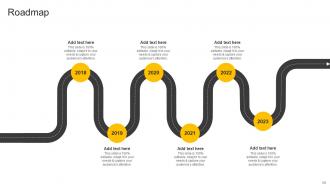
Slide 57: This is a Timeline slide. Show data related to time intervals here.
Slide 58: This slide depicts Venn diagram with text boxes.
Slide 59: This is a Financial slide. Show your finance related stuff here.
Slide 60: This is Our Mission slide with related imagery and text.
Slide 61: This is Our Target slide. State your targets here.
Slide 62: This is an Idea Generation slide to state a new idea or highlight information, specifications etc.
Slide 63: This slide showcases Magnifying Glass to highlight information, specifications etc.
Slide 64: This slide provides 30 60 90 Days Plan with text boxes.
Slide 65: This is a Thank You slide with address, contact numbers and email address.
Food And Beverages Company Profile Powerpoint Presentation Slides CP CD V with all 73 slides:
Use our Food And Beverages Company Profile Powerpoint Presentation Slides CP CD V to effectively help you save your valuable time. They are readymade to fit into any presentation structure.












FAQs for Food And Beverages Company Profile Powerpoint Presentation Slides
A successful food and beverages company profile includes brand positioning and market differentiation, product portfolio diversity, supply chain efficiency, regulatory compliance standards, and sustainability initiatives. These elements work together by establishing market credibility, ensuring operational scalability, and meeting consumer expectations, with many food companies finding that comprehensive profiles showcasing quality certifications and innovation capabilities ultimately deliver competitive advantage in increasingly health-conscious markets.
Market research influences food and beverages company profile development by identifying consumer preferences, competitive positioning, target demographics, and market opportunities that shape brand messaging and strategic direction. Through comprehensive market analysis, companies can highlight their unique value propositions, demonstrate market understanding, and position themselves effectively against competitors, ultimately creating profiles that resonate with investors, partners, and customers while showcasing competitive advantages.
Sustainability fundamentally shapes modern food and beverage company profiles through responsible sourcing, waste reduction, eco-friendly packaging, carbon footprint minimization, and transparent supply chain management. These initiatives enable companies to meet consumer demands, reduce operational costs, and enhance brand reputation, with many organizations in retail and manufacturing finding that sustainable practices ultimately deliver competitive advantage and improved customer loyalty.
A company can effectively highlight its unique selling propositions by prominently featuring distinctive product innovations, sustainable sourcing practices, award-winning quality certifications, and exclusive partnerships or distribution channels. These elements should be strategically woven throughout the profile with specific metrics and achievements, ultimately demonstrating competitive advantages that resonate with target customers and stakeholders.
Best practices include high-quality product photography, detailed nutritional information, sustainability sourcing details, award recognitions, and clear brand positioning statements. These elements enhance credibility by demonstrating quality standards, transparency, and market recognition, with many food companies finding that visual storytelling combined with certifications ultimately drives consumer trust and competitive differentiation.
Storytelling enhances food and beverages company profiles by weaving brand heritage, sourcing journeys, and customer experiences into compelling narratives that connect emotionally with stakeholders. Through authentic origin stories, sustainability commitments, and innovation tales, companies like craft breweries and artisan food producers create differentiated market positions, build consumer loyalty, and ultimately deliver stronger brand recognition and competitive advantage in an increasingly crowded marketplace.
Key metrics include revenue growth, market share expansion, profit margins, customer acquisition rates, and distribution network reach. These indicators demonstrate operational efficiency and competitive positioning, with many food and beverage companies finding that strong supply chain metrics, brand recognition scores, and sustainability achievements ultimately deliver investor confidence and market leadership in an increasingly competitive landscape.
Food and beverage companies can leverage social media by showcasing behind-the-scenes content, sharing recipe inspirations, highlighting sustainability initiatives, featuring user-generated content, and responding actively to customer feedback. These strategies enable brands to build authentic connections, drive product discovery, and enhance customer loyalty, with many restaurants and beverage brands finding that consistent engagement ultimately delivers increased brand awareness and sales conversion.
Essential information for potential investors includes financial performance metrics, market positioning, product portfolio diversity, supply chain resilience, and regulatory compliance records. These elements enable investors to assess profitability, growth potential, and operational stability, with many finding that companies demonstrating consistent revenue streams, strategic market expansion, and sustainable sourcing practices offer the strongest investment opportunities in an increasingly competitive food sector.
A company's commitment to quality and safety can be effectively communicated through specific certifications, detailed supply chain transparency, rigorous testing protocols, and third-party audit results prominently featured throughout the profile. These elements build consumer trust by showcasing measurable standards, with many food and beverage companies finding that highlighting FDA compliance, organic certifications, and traceability systems ultimately delivers competitive advantage and enhanced brand credibility.
Current trends influencing food and beverage company profiles include sustainability commitments, supply chain transparency, health and wellness positioning, digital transformation initiatives, and social responsibility programs. These elements enhance brand credibility by addressing consumer demands for ethical sourcing, nutritional transparency, and environmental stewardship, with many companies finding that comprehensive profiles drive customer loyalty and competitive differentiation.
Food and beverage companies should integrate cultural and regional influences by highlighting local sourcing partnerships, traditional recipe adaptations, community engagement initiatives, and region-specific product development strategies. This approach enables authentic market connections, builds consumer trust through cultural relevance, and delivers competitive differentiation, with many companies finding that celebrating local heritage while maintaining brand consistency ultimately enhances customer loyalty and market penetration.
**INPUT**: What design elements are crucial for making a food and beverage company profile visually appealing? **OUTPUT**: Crucial design elements include high-quality product photography, consistent brand colors, clean typography, appetizing visual layouts, and strategic white space usage. These elements work together by enhancing brand recognition, building consumer trust, and creating emotional connections with target audiences, with many food companies finding that cohesive visual presentation ultimately drives customer engagement and competitive market positioning.
Collaborations and partnerships can be featured through dedicated sections highlighting strategic alliances, joint ventures, supplier relationships, distribution partnerships, and co-branding initiatives. These partnerships demonstrate market credibility and expansion capabilities, with many food and beverage companies finding that showcasing collaborations with retailers, ingredient suppliers, and complementary brands ultimately enhances investor confidence and competitive positioning.
Customer feedback and testimonials can be incorporated through dedicated review sections, star ratings displays, social media integrations, case studies highlighting customer success stories, and quote callouts from satisfied clients. These elements enhance credibility by showcasing real experiences from restaurants, retailers, and distributors, while building trust with prospective partners and ultimately strengthening market positioning in an increasingly competitive food industry landscape.
-
Great designs, really helpful.
-
These stunning templates can help you create a presentation like a pro.