

Economic Justice Financial Justice Opportunity Measures Society Environmental





Try Before you Buy Download Free Sample Product
 Impress Your
Audience
 100%
Editable
 Save Hours
of Time


Our Economic Justice Financial Justice Opportunity Measures Society Environmental are topically designed to provide an attractive backdrop to any subject. Use them to look like a presentation pro.
People who downloaded this PowerPoint presentation also viewed the following :
Economic Justice Financial Justice Opportunity Measures Society Environmental with all 10 slides:
Use our Economic Justice Financial Justice Opportunity Measures Society Environmental to effectively help you save your valuable time. They are readymade to fit into any presentation structure.

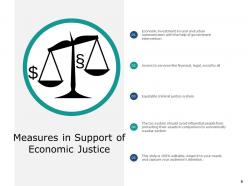
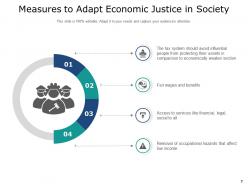
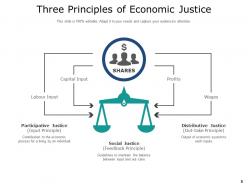


FAQs for Economic Justice Financial Justice Opportunity
Economic justice encompasses fair distribution of resources, equal opportunity access, living wages, progressive taxation, and social safety nets. These principles work together by reducing inequality, ensuring basic needs are met, and creating pathways for economic mobility, with many communities finding that implementing comprehensive policies ultimately delivers greater social stability and sustainable economic growth.
Economic justice manifests differently across cultures through varying emphasis on individual merit versus collective welfare, religious principles, and historical contexts. While Western societies often prioritize equal opportunity and market-based solutions, many Asian and African cultures emphasize communal responsibility and resource sharing, with Scandinavian models demonstrating how cultural values shape policies that ultimately deliver both social cohesion and economic competitiveness.
Income inequality significantly undermines economic justice by creating disparate access to opportunities, resources, and basic services across different income levels. This disparity manifests in unequal educational access, healthcare availability, and wealth-building opportunities, with many economists finding that excessive inequality ultimately weakens social mobility, reduces economic growth, and compromises the foundational principle of fair resource distribution.
Government policies can enhance economic justice through progressive taxation, minimum wage adjustments, affordable healthcare access, education funding, and targeted social programs. These approaches streamline wealth distribution while enabling broader economic participation, with many countries finding that strategic combinations of tax reform and education investment ultimately deliver reduced inequality and enhanced social mobility across diverse communities.
Corporations play a dual role in economic justice through wage policies, hiring practices, tax strategies, and community investment decisions. While some companies enhance justice by providing living wages, diverse employment opportunities, and local economic development, others hinder progress through tax avoidance and inequality-perpetuating practices, with many organizations increasingly recognizing that equitable approaches ultimately deliver stronger stakeholder relationships and sustainable competitive advantage.
Economic justice intersects with social and racial justice through systemic barriers affecting wealth accumulation, employment opportunities, educational access, and housing stability across different communities. These interconnected challenges create compounding disadvantages, with many organizations finding that addressing economic disparities requires simultaneous focus on social equity, educational reform, and inclusive policy development, ultimately delivering more comprehensive community outcomes.
**INPUT**: What are the most effective grassroots movements advocating for economic justice today? **OUTPUT**: Effective grassroots movements include Fight for $15, National Domestic Workers Alliance, Right to the City Alliance, Poor People's Campaign, and community land trusts nationwide. These organizations streamline advocacy by combining direct action, policy engagement, and coalition building, with many communities finding that locally-rooted strategies ultimately deliver sustainable wage increases and enhanced economic opportunities. *Word count: 54 words*
Technology promotes economic justice through digital banking platforms, mobile payment systems, online education resources, telemedicine services, and e-commerce marketplaces that reduce traditional barriers. These solutions streamline access to financial services, healthcare, and markets while enhancing educational opportunities and enabling entrepreneurship, with many underserved communities finding that mobile-first approaches deliver significantly improved economic participation and competitive advantages.
Education significantly impacts economic justice by providing skills training, expanding career opportunities, reducing income inequality, and enabling social mobility across generations. Through accessible education programs, individuals gain financial literacy, technical competencies, and professional qualifications, with many underserved communities finding that educational investments ultimately deliver higher wages, entrepreneurial opportunities, and improved economic stability.
Global trade practices significantly influence local economic justice through supply chain labor standards, fair trade certification requirements, tariff policies, and market access regulations. While international trade agreements can create employment opportunities and economic growth in developing regions, they also present challenges around wage equity and resource distribution, with many communities finding that strategic trade partnerships ultimately enhance local prosperity when coupled with strong governance frameworks.
Philanthropy addresses economic justice through funding education programs, supporting small business development, providing emergency assistance, advocating for policy reforms, and investing in community infrastructure. While philanthropic efforts help bridge immediate gaps in underserved communities, they work most effectively when combined with systemic policy changes, ultimately delivering enhanced economic mobility and reduced inequality across diverse populations.
Individuals can contribute to economic justice through supporting local minority-owned businesses, advocating for fair wage policies, participating in community investment cooperatives, and volunteering with financial literacy programs. These grassroots efforts strengthen local economies by creating sustainable employment opportunities, enhancing financial inclusion, and building community wealth, with many neighborhoods finding that collective action delivers measurable economic empowerment and reduced inequality.
Universal basic income presents both transformative economic opportunities and significant fiscal considerations, including reduced administrative costs, increased consumer spending, potential inflation pressures, and substantial government expenditure requirements. While UBI could streamline welfare systems and boost economic demand, many economists find that successful implementation requires careful calibration of benefit levels, funding mechanisms, and labor market impacts to ensure sustainable economic justice outcomes.
Historical injustices like slavery, discriminatory lending practices, and exclusionary policies directly shaped today's wealth gaps, informing current economic justice discussions through calls for reparations, equitable lending reform, and inclusive business practices. These conversations increasingly focus on systemic change, with organizations implementing targeted hiring, supplier diversity programs, and community investment initiatives, ultimately delivering measurable progress toward economic equity and competitive advantages through diverse talent access.
Economic justice metrics include income inequality ratios, wealth distribution percentiles, social mobility indices, access to essential services, and employment opportunity measures. These indicators work together by tracking wage gaps, homeownership rates, educational accessibility, and healthcare coverage, with many policymakers finding that comprehensive measurement across multiple sectors ultimately delivers clearer insights into systemic economic fairness and competitive societal outcomes.
No Reviews