


Funnel Bundle Powerpoint Ppt Templates And Slides





Try Before you Buy Download Free Sample Product
 Impress Your
 Audience
 100%
100% Editable
 Save Hours
 of Time


Our Funnel Bundle Powerpoint Ppt Templates And Slides are topically designed to provide an attractive backdrop to any subject. Use them to look like a presentation pro.
People who downloaded this PowerPoint presentation also viewed the following :
Funnel Bundle Powerpoint Ppt Templates And Slides with all 34 slides:
Use our Funnel Bundle Powerpoint Ppt Templates And Slides to effectively help you save your valuable time. They are readymade to fit into any presentation structure.


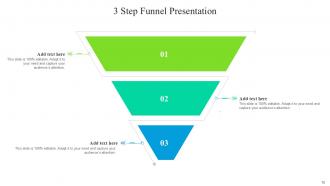
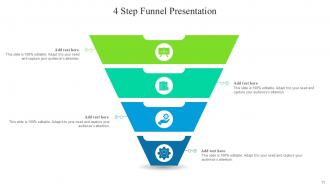
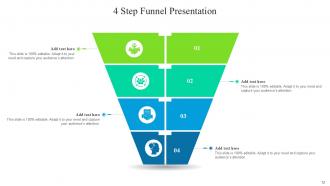
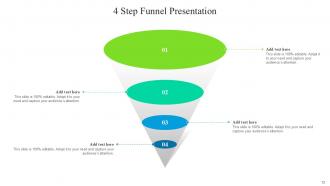
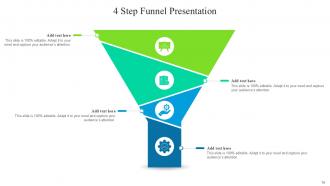
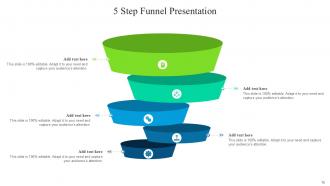
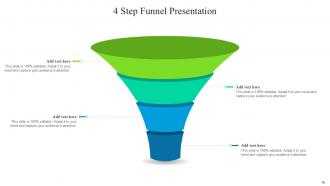
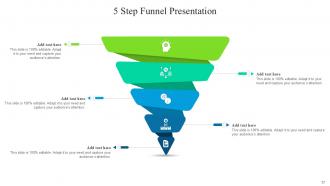










FAQs for Funnel Bundle Powerpoint Ppt
So a Funnel Bundle is just multiple sales funnels working together - each one targeting different pain points or customer types. Instead of relying on one funnel, you're casting a wider net. Different messaging, different audience segments, but they all point to the same main offer. Makes total sense when you think about it. You can capture people at various stages too - some ready to buy, others just browsing around. The funnels actually boost each other's performance, which is pretty cool. I'd start with 2-3 that complement each other well. Way better than hoping one funnel does everything.
So instead of pushing everyone through the same boring funnel, bundles let you create multiple paths that work together. It's like giving customers options that actually make sense for them - some people want the quick solution, others need more hand-holding, you know? You can target different problems or customer types all in one package. Honestly, it just converts better because people aren't getting forced into something that doesn't fit. I'd start small though - maybe sketch out 2 or 3 mini-funnels that complement each other for your next thing.
Okay so first thing - nail down the problem you're solving and make it hit home with whoever's listening. Then walk them through each funnel stage logically, showing how it tackles that problem. I used to just dump a million charts on people and their eyes would glaze over, so don't do that. Include actual numbers or real examples that prove this stuff works. Map out the customer journey visually and call out where people convert. Oh, and beat them to the punch on objections - address the obvious ones upfront. Show ROI projections and end with something concrete they can act on, like approving a pilot or setting budget timelines.
So you can totally swap out the templates and tweak the messaging to fit your industry better. SaaS folks usually focus on trial conversions and demos, while e-commerce is more about showcasing products and fixing cart abandonment issues. Most bundles already have industry variants built in, which honestly saves a crazy amount of time. The automation triggers can be adjusted too - depends on how long your customer journey typically takes. I'd start by figuring out where people usually drop off in your industry, then match those problem spots to the right funnel stages. It's pretty straightforward once you map it out.
Okay so visually telling your story is huge for the Funnel Bundle thing. People need to *see* the journey, not just read about it. Map out their problem, show your solution, then boom - the transformation. It's like creating a movie trailer but for your offer (okay that sounds cheesy but whatever, it works). Mockups work great. Screenshots showing progress. Case studies if you have good ones. Even basic diagrams help guide them through each step. The whole point is making them feel emotionally invested - they need to picture themselves getting those results. Start by sketching out what that customer journey looks like first.
Honestly, analytics are your best friend here. Check where people bail in your funnel - if they're dropping off at pricing, throw in a cheaper starter option. Heat maps show you which features people actually use (trust me, it's never what you'd expect). I'm obsessed with session recordings because you can literally watch people get confused in real-time. Short story: stop guessing what customers want bundled together. The data will tell you exactly what makes sense to package up, and it's usually way different from your assumptions.
Don't cram everything into each stage - people just zone out when there's too much going on. Also, real customers don't move through funnels in neat little steps like we pretend they do. Always explain what your stages actually mean too. I can't tell you how many times I've sat through presentations where someone drops a funnel slide and expects everyone to magically understand it. Oh, and connect it back to actual numbers or business stuff. Otherwise you're just drawing pretty diagrams that don't mean anything. Keep it straightforward and tie everything to real data.
So Funnel Bundles are perfect for this - you create like 3-4 related lead magnets that flow together instead of just having one. Picture it as breadcrumbs leading to your main offer. Each piece builds trust and nudges them closer to buying. The cool part? Different funnels catch people at different stages, so you're not losing folks who aren't ready for your main pitch yet. I'd start by mapping out complementary resources that naturally connect - honestly, it works way better than throwing everything at one landing page and hoping something sticks.
ClickFunnels is honestly your best bet for the actual funnel building - I've tried a bunch and keep coming back to it. Leadpages works too if you want something simpler. Canva's gonna save your life for graphics and mockups, plus their templates don't look like amateur hour. Oh, and Loom's perfect if you need quick explainer videos. I usually just sketch out the whole customer journey in a Google Doc first because I'm weird like that, but Lucidchart works if you want it fancy. Start with free trials on everything before you spend money.
Track your conversion rates at each funnel stage - that's really what matters. How many viewers actually become buyers? Don't get caught up in vanity metrics like total views. Revenue per presentation is where it's at. I'd focus on presentation completion rates and follow-up engagement first. Then see how fast people move from your pitch to actual sales. Quality of leads matters way more than quantity, honestly. Set up your tracking before you even do your first presentation though - learned that one the hard way. You can't optimize what you're not measuring.
Yeah, I've seen some pretty convincing results with these bundles. ClickFunnels tracked a SaaS company that boosted trial-to-paid conversions by 47% - they bundled their lead magnet with a mini-course and consultation call. There was also this e-commerce brand that combined product demos, testimonials, and time-sensitive discounts. Cart completion jumped 32%. What's interesting is the successful ones tackle multiple objections at once instead of just random stuff thrown together. You want to be strategic about what you include based on where people usually bail out of your current funnel. Makes total sense when you think about it.
Honestly, just pick one funnel that's not converting well and drop a bundle there first. Lead magnets work great, or throw them in as upsells after someone buys. I've watched teams completely ditch their single-product promos for bundles - way better results. Email sequences are perfect for this stuff since you're already hitting people multiple times anyway. Oh, and definitely segment your audience! Someone who just found you needs a different bundle than a repeat customer. Map each bundle to whatever specific goal you're trying to hit. Don't overthink it though - test one spot, see what happens, then expand from there.
Map out who you're talking to first - different people need different approaches. Some want hard data and proof points, others connect with stories and emotional stuff. Mix it up at every stage: throw video testimonials next to your case studies, pair infographics with those heavy whitepapers. Don't forget interactive content for people who learn by doing. Test various entry points too since everyone finds you differently - social, email, webinars, whatever. Honestly, most brands overthink this part. Just give each type of person a natural way in that doesn't feel forced.
Okay so there's a few psychological tricks that really work for funnels. Social proof is huge - testimonials, user numbers, reviews at each step. Countdown timers and limited bonuses create that urgency feeling (honestly people fall for this every time). Get some expert endorsements or show your credentials to build trust quickly. Also try giving away something valuable for free first - makes people way more likely to buy later. Oh, and don't use all of these at once or it'll look desperate. Pick one trigger per stage and test what actually works for your audience. Some will flop but you'll find your winners.
Honestly, feedback and iteration are what'll make or break your funnel. Test everything - headlines, buttons, colors, the whole flow. My first "perfect" funnel was a disaster because I never tested it! Set up tracking first so you actually know what's happening. Short sentences work. Then look at where people bail out and fix those spots one by one. Don't just guess what's wrong - the data will show you exactly where things get weird. Small tweaks based on real user behavior beat wild redesigns every time. Oh, and measure conversions, not just pretty metrics that don't matter.
-
“The presentation template I got from you was a very useful one.My presentation went very well and the comments were positive.Thank you for the support. Kudos to the team!”
-
Fantastic and innovative graphics with useful content. The templates are the best and latest in the industry.