

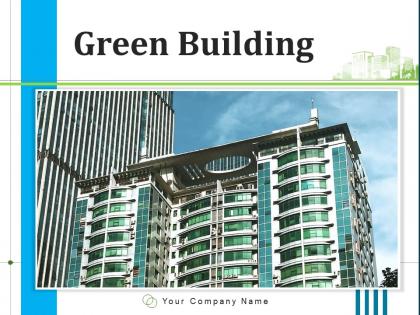
Green building development environment conservation organization




Try Before you Buy Download Free Sample Product
 Impress Your
Audience
 100%
Editable
 Save Hours
of Time


Our Green Building Development Environment Conservation Organization are topically designed to provide an attractive backdrop to any subject. Use them to look like a presentation pro.
People who downloaded this PowerPoint presentation also viewed the following :
Green building development environment conservation organization with all 12 slides:
Use our Green Building Development Environment Conservation Organization to effectively help you save your valuable time. They are readymade to fit into any presentation structure.


FAQs for Green building development
So basically you want energy efficiency, sustainable materials, and stuff that works with your local climate. Natural light is huge - maximize that. Then look into solar panels or other renewable energy. For materials, reclaimed wood and recycled steel are solid choices. Oh and water conservation is massive too, like rainwater collection systems. Green roofs are actually legit (not just for the gram) - they help with insulation and managing runoff. The whole point is working with nature instead of fighting it. LEED certification guidelines are worth checking out since they'll give you a good baseline for what matters.
So basically, if you position windows right and use good insulation, you can slash energy costs by like 30-50%. It's wild how much difference orientation makes - catching winter sun while avoiding that brutal summer heat. Thermal mass helps too, keeps temps steady without cranking the AC all the time. Oh and don't forget natural ventilation, that's huge. Honestly the hardest part is just figuring out your site's wind patterns and sun angles first. Once you know that stuff, the rest kind of falls into place. Way better than fighting against nature, you know?
Dude, material choice is seriously everything for green buildings. Go local first - shipping stuff across the country kills your carbon savings. Bamboo and reclaimed wood are solid picks, but watch out for those fancy "eco" composites that actually take tons of energy to make. Super annoying when companies greenwash like that. You'll want to think about the whole lifecycle, not just upfront costs. Short version: map your local suppliers early and crunch those embodied energy numbers. Trust me, doing homework now beats scrambling later when you're halfway through construction.
Dude, your local climate is basically going to dictate everything. Hot and dry? You're looking at passive cooling and tons of shading. Cold areas need crazy good insulation and south-facing windows for that free solar heat. Humid places are a whole different beast - the ventilation game changes completely. I swear the climate becomes like your design partner or whatever. Work with what you've got instead of fighting it. Check out old buildings in your area too - there's usually a reason they were built that way and lasted forever.
Oh man, there's some crazy stuff happening right now! Smart building systems that auto-adjust energy use are everywhere. Solar tech has gotten insane too - they're literally building photovoltaics right into the walls and windows now. Materials are wild - concrete that fixes itself and stuff that regulates temperature just by existing. Some firms are 3D printing entire building pieces on-site, which honestly blows my mind. AI design tools can map out lighting and airflow before construction even starts. You should definitely look up recent LEED Platinum buildings - that's where you'll see this tech actually working.
First thing - check if your building can actually handle the weight. Green roofs are heavy as hell, like 15-150 pounds per square foot. For living walls, south-facing spots work best but avoid areas that get completely torched by afternoon sun. Honestly? Most of these projects die because people skimp on maintenance planning. Install proper irrigation and make sure you can actually reach everything for upkeep. Oh, and stick with native plants that won't give up on you. I've seen too many gorgeous walls turn into expensive brown disasters after a few months.
Dude, reclaimed stuff is honestly a game changer. You'll save serious money since you're getting quality materials for way less than new. Your clients will eat up the whole sustainability thing too - keeps waste out of landfills and all that. But the real win? That weathered barn wood and old brick has character you literally can't buy new. I mean, there's just something about it, you know? Maybe start with something small like accent beams or a feature wall to see how it goes.
Honestly, good waste management makes a huge difference for your building's environmental impact. You're basically turning waste into useful stuff - composting areas, recycling spots, even greywater systems built right in. Pretty smart when you think about it! This keeps construction debris out of landfills and creates those circular material flows everyone talks about. If you plan these systems from the start, you'll save money long-term and make it way easier for people to live sustainably. Oh, and definitely do a waste audit on your next project first - that's where you'll find the best opportunities to make changes.
Ugh, where do I start? Cost is the big one - clients freak out about upfront prices even though they'll save tons later. Building codes are still stuck in the stone age with green tech. Half my clients think sustainable means sacrificing style, which is so wrong. Finding contractors who actually know what they're doing with eco systems is a pain. Permitting takes forever. Sometimes you can't even get the materials you want locally - had that happen last month actually. My advice? Start networking with green suppliers and contractors now. Makes your life way easier when you need them.
Dude, you'll cut your utility bills by like 20-40% with energy-efficient upgrades. HVAC and lighting become way cheaper to run. The maintenance costs drop too since newer systems don't break as much - honestly, older equipment is such a pain. Your building value goes up, plus you won't have to scramble later when energy codes get tighter. Oh, and your CFO will love seeing those lower monthly bills. I'd start with an energy audit first though. Shows you exactly where you're bleeding money and which upgrades give the biggest bang for your buck.
Dude, sustainable buildings are seriously game-changers for how people feel. Better air quality means fewer sick days. Natural light boosts productivity like crazy. Non-toxic materials help too - you're not breathing weird chemicals all day. Those living walls and green elements? They actually reduce stress (I was skeptical but it's legit). The acoustics are way better with sustainable materials, so less annoying noise. Oh, and the temperature control is usually spot-on. If you're doing any building stuff, focus on natural light and air quality first - that's where you'll see the biggest difference health-wise.
So basically, you want buildings that won't become expensive mistakes in 20 years. Use materials that last and design spaces that can actually change - like offices becoming apartments or whatever people need later. Nobody saw the whole EV charging thing coming, right? Modular design helps tons here. Before you commit to anything, just think: will this place still make sense decades from now? The whole point is avoiding those massive tear-down costs and environmental nightmares. Flexible floor plans are your friend - they'll save you so much headache down the road.
Dude, you absolutely need to get the community involved from day one. Locals know everything - which way the wind blows, where it floods every spring, what materials actually work there. I've seen too many "sustainable" buildings that nobody uses because architects ignored how people actually live. Start with walking tours or neighborhood meetings. People get way more excited about solar panels or community gardens when they help decide where they go. Honestly, half the battle is just making residents feel like it's *their* project, not some outsider's vision.
LEED, BREEAM, and ENERGY STAR are the big ones you'll see everywhere. In North America, LEED is huge - goes from Certified all the way up to Platinum. Europe's all about BREEAM though. They look at energy efficiency, water use, air quality, materials, the whole deal. The paperwork is honestly a nightmare but worth it for the street cred. Oh, and definitely check what's popular in your area first since that affects property values differently. Each one has its quirks too - some are way pickier about certain things than others.
So urban planning and sustainable architecture are basically best friends - they make cities way more livable together. You can design neighborhoods with green corridors and mixed-use spots so people don't have to drive everywhere. Green roofs help with stormwater issues across the whole city, which is honestly pretty smart when you think about it. Buildings can be positioned to create natural wind flow too. Oh, and your sustainable building choices affect the entire area around them - not just the building itself. If you're doing any urban projects, definitely map out how your green features could help the neighborhood too.
-
Great experience, I would definitely use your services further.
-
Use of different colors is good. It's simple and attractive.
-
Nice and innovative design.
-
Very unique, user-friendly presentation interface.
-
Informative presentations that are easily editable.
-
Informative presentations that are easily editable.