

Historical Evolution Of Fashion Trends Trendsetter PPT PowerPoint ST AI SS





Try Before you Buy Download Free Sample Product
 Impress Your
Audience
 100%
Editable
 Save Hours
of Time


Explore the captivating journey of fashion through the ages with our Historical Evolution of Fashion Trends PowerPoint presentation. This professionally designed deck highlights key trends, influential designers, and cultural shifts, making it perfect for fashion enthusiasts, students, and industry professionals seeking insight into fashions dynamic history.
People who downloaded this PowerPoint presentation also viewed the following :
Historical Evolution Of Fashion Trends Trendsetter PPT PowerPoint ST AI SS with all 9 slides:
Use our Historical Evolution Of Fashion Trends Trendsetter PPT PowerPoint ST AI SS to effectively help you save your valuable time. They are readymade to fit into any presentation structure.








FAQs for Historical Evolution Of Fashion Trends Trendsetter PPT PowerPoint
Victorian fashion was characterized by structured silhouettes, modest coverage, elaborate ornamentation, high necklines, and layered garments emphasizing moral propriety and social status. These design principles reflected societal values of respectability and refinement, with wealthy families showcasing intricate lacework, bustles, and corsetry that ultimately established enduring foundations for formal dress codes and ceremonial attire across cultures.
World War I revolutionized women's fashion by necessitating practical clothing for factory work, nursing, and wartime roles, introducing shorter hemlines, simplified silhouettes, and functional fabrics. This shift from restrictive Victorian styles to streamlined designs ultimately delivered greater mobility and workplace efficiency, with many industries finding that practical women's attire enhanced productivity and economic participation.
Haute couture served as fashion's creative laboratory, introducing revolutionary silhouettes, fabrication techniques, and aesthetic concepts that filtered down to ready-to-wear markets globally. Pioneering houses like Chanel, Dior, and Saint Laurent transformed women's wardrobes through innovations in tailoring, materials, and design philosophy, ultimately delivering accessible luxury interpretations and establishing the seasonal trend cycles that define modern fashion industry.
The social revolutions of the 1960s and 1970s transformed fashion by introducing casual wear, unisex clothing, ethnic influences, and youth-driven styles that challenged traditional dress codes. These movements enabled self-expression through mini skirts, bell-bottoms, and bohemian aesthetics, while rejecting formal conventions, ultimately delivering democratized fashion and individual identity expression across diverse social groups.
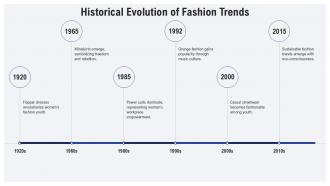
The flapper dress represented women's liberation and social rebellion in 1920s fashion, featuring dropped waistlines, shorter hemlines, loose silhouettes, and lightweight fabrics that enabled unprecedented freedom of movement. This revolutionary design streamlined women's fashion by eliminating restrictive corsetry, enabling dance and sports participation, and ultimately delivering both comfort and cultural expression, with many fashion historians finding that it fundamentally transformed women's relationship with clothing and self-expression.
Technological advancements have revolutionized fashion by enabling mass production, intricate detailing, and faster trend cycles, with sewing machines streamlining garment construction and reducing costs significantly. These innovations transformed fashion from exclusive craft to accessible industry, with manufacturers delivering consistent quality, retailers responding rapidly to consumer demands, and designers exploring complex techniques previously impossible through hand-sewing alone.
Renaissance fashion was primarily influenced by wealth display, Italian city-state culture, trade expansion, religious symbolism, and artistic movements emphasizing human form. These influences manifested through elaborate fabrics like silk and velvet, intricate embroidery, and structured silhouettes that demonstrated social status, with wealthy merchants and nobility increasingly using fashion to communicate power and cultural sophistication across European courts.
African, Asian, and Native American cultures profoundly influenced Western fashion through textile techniques, silhouettes, patterns, and materials like kente cloth, kimono sleeves, and beadwork. These cultural exchanges revolutionized Western design by introducing vibrant prints, flowing garments, and intricate craftsmanship methods, ultimately delivering diverse aesthetic expressions and enriching global fashion with authentic traditional elements that continue shaping contemporary collections.
The Great Depression dramatically reduced fashion consumption through economic constraints, while styles became more practical, conservative, and resourceful, emphasizing durability over luxury. Many women embraced longer hemlines, simpler silhouettes, and home sewing, with the fashion industry adapting by creating affordable alternatives and promoting mending techniques, ultimately delivering a more democratic approach to style that prioritized functionality and longevity.
The 1980s introduced power suits with exaggerated shoulders, bold geometric patterns, neon colors, athletic wear as streetwear, and luxury designer denim. These innovations revolutionized professional wardrobes by emphasizing authority and confidence, while athletic-inspired pieces streamlined casual fashion, with many retailers finding that bold silhouettes and vibrant colors ultimately delivered enhanced self-expression and stronger brand differentiation.
Sustainability concerns transformed fashion through eco-friendly materials, ethical manufacturing practices, slow fashion movements, circular design principles, and transparency initiatives. These approaches revolutionized industry standards by reducing waste, minimizing environmental impact, and promoting responsible consumption, with many brands finding that sustainable practices ultimately deliver competitive advantage and enhanced customer loyalty.
Punk culture revolutionized mainstream fashion by introducing ripped clothing, safety pins, leather jackets, bold graphics, and anti-establishment aesthetics into everyday wear. These rebellious elements transformed high fashion runways and street style, with designers like Vivienne Westwood and brands across retail sectors incorporating punk-inspired pieces, ultimately delivering edgy authenticity and creative self-expression that continues influencing contemporary fashion.
Influential figures like Coco Chanel revolutionized women's fashion by introducing comfortable, practical designs that liberated women from restrictive corsets and ornate Victorian styles. Chanel's innovations, including the little black dress, jersey fabric garments, and tailored suits, fundamentally shifted fashion toward functionality and elegance, ultimately enabling women greater freedom of movement and self-expression in increasingly modern society.
Victorian men's fashion emphasized formal, structured clothing with long coats, high collars, waistcoats, and dark colors, reflecting conservative social values and rigid class distinctions. The 1920s revolutionized menswear with shorter jackets, lower collars, lighter fabrics, and more casual styles, ultimately delivering greater comfort and self-expression while reflecting the era's newfound social freedom and economic prosperity.
Gender fluidity has revolutionized contemporary fashion by breaking traditional clothing boundaries, encouraging unisex designs, and promoting inclusive sizing across all demographics. Major fashion houses, streetwear brands, and retail companies are increasingly adopting gender-neutral collections, fluid silhouettes, and adaptive styling approaches, ultimately delivering broader market appeal and enhanced customer experiences in an increasingly diverse marketplace.
-
I faced no difficulty while searching for the slide I wanted. Honestly, the website’s interface is easy to use and can be navigated easily!
-
Easy to edit slides with easy to understand instructions.