


Horizontal And Vertical Process Manufacturer Leadership Development Integration Organization





Try Before you Buy Download Free Sample Product
 Impress Your
Audience
 100%
Editable
 Save Hours
of Time


Our Horizontal And Vertical Process Manufacturer Leadership Development Integration Organization are topically designed to provide an attractive backdrop to any subject. Use them to look like a presentation pro.
People who downloaded this PowerPoint presentation also viewed the following :
Horizontal And Vertical Process Manufacturer Leadership Development Integration Organization with all 12 slides:
Use our Horizontal And Vertical Process Manufacturer Leadership Development Integration Organization to effectively help you save your valuable time. They are readymade to fit into any presentation structure.

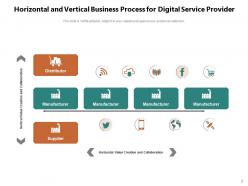
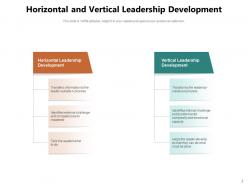
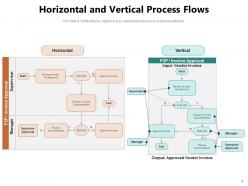
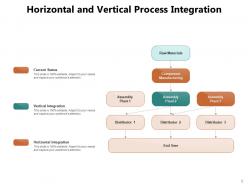
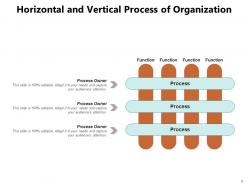
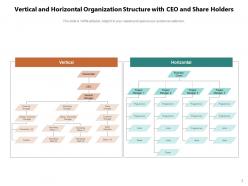
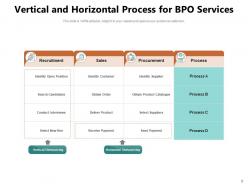

FAQs for Horizontal And Vertical Process Manufacturer Leadership
Effective leaders today demonstrate emotional intelligence, adaptability, strategic vision, authentic communication, and collaborative decision-making skills. These qualities enable leaders to navigate complex organizational challenges, inspire diverse teams across remote and hybrid environments, and drive sustainable growth, with many companies finding that emotionally intelligent leaders deliver significantly higher employee engagement and business performance.
Organizations create leadership development cultures by establishing mentorship programs, providing regular feedback mechanisms, offering cross-functional project opportunities, and implementing succession planning processes. Through strategic leadership rotations and skills-based training initiatives, companies enable emerging leaders to gain diverse experiences while building critical capabilities, with many organizations finding that this systematic approach ultimately delivers stronger talent pipelines and enhanced organizational resilience.
Emotional intelligence enables effective leadership by enhancing self-awareness, empathy, social skills, and decision-making under pressure. Leaders with high emotional intelligence build stronger team relationships, navigate conflicts more successfully, and create psychologically safe work environments, with many organizations finding that emotionally intelligent leaders drive higher employee engagement and organizational performance.
Mentoring programs enhance leadership skills by fostering knowledge transfer, developing emotional intelligence, building strategic thinking capabilities, and creating succession planning frameworks. Through structured mentor-mentee relationships, organizations streamline talent development while enabling emerging leaders to gain practical insights, refine decision-making abilities, and strengthen communication skills, ultimately delivering stronger team performance and competitive advantage.
Leaders can adapt their styles through situational assessment, flexible communication approaches, cultural competency development, individualized coaching methods, and continuous feedback integration. These strategies enable managers to navigate varying team personalities, generational differences, and cultural backgrounds effectively, with many organizations finding that adaptive leadership approaches significantly enhance team engagement, reduce turnover, and ultimately deliver stronger collaborative outcomes across diverse business environments.
Technology revolutionizes leadership development through virtual reality simulations, AI-powered coaching platforms, microlearning apps, data analytics for skill assessment, and collaborative digital environments. These tools enable personalized learning paths, real-time feedback, and scalable training delivery, with organizations like IBM and General Electric finding that technology-enhanced programs significantly reduce development costs while improving leader readiness and engagement.
Leaders effectively balance strategic thinking with day-to-day operations by establishing dedicated time blocks for strategic planning, delegating operational responsibilities to capable team members, and implementing systems that provide real-time visibility into both areas. Through structured approaches like weekly strategy sessions and dashboard monitoring, organizations streamline decision-making processes while maintaining operational excellence, with many finding that this dual focus ultimately delivers sustainable growth and competitive advantage.
Common pitfalls in leadership development programs include lack of personalization, insufficient follow-up support, generic content delivery, poor alignment with organizational goals, and absence of practical application opportunities. These challenges can be avoided by implementing customized learning paths, establishing mentorship systems, and creating hands-on project experiences, with many organizations finding that continuous feedback loops and real-world application ultimately deliver stronger leadership capabilities and measurable business outcomes.
Different generations influence leadership styles by bringing distinct communication preferences, technological fluencies, and workplace values that require adaptive approaches. Leaders increasingly blend traditional mentoring with digital collaboration tools, flexible work arrangements, and varied feedback mechanisms, with organizations finding that multi-generational teams deliver enhanced innovation and broader market perspectives when leadership styles accommodate diverse generational strengths.
Leaders can assess their skills through 360-degree feedback, self-reflection assessments, leadership competency evaluations, peer reviews, and performance analytics. These methods enable continuous improvement by identifying blind spots, measuring progress against benchmarks, and creating targeted development plans, with many executives finding that regular assessment cycles ultimately enhance decision-making capabilities and team effectiveness.
Feedback mechanisms can be integrated through 360-degree evaluations, peer coaching sessions, mentorship programs, regular performance reviews, and real-time digital feedback platforms. These approaches enhance leadership effectiveness by providing continuous insights, identifying development gaps, and fostering self-awareness, with many organizations finding that structured feedback accelerates leadership growth and improves team performance.
Best practices for developing future leaders include mentoring programs, cross-functional assignments, leadership training workshops, succession planning initiatives, and performance coaching. These approaches enhance leadership capabilities by providing real-world experience, strategic thinking development, and interpersonal skills training, with many organizations finding that structured leadership pipelines ultimately deliver stronger management teams and improved organizational resilience.
Leaders cultivate resilience and adaptability by fostering psychological safety, encouraging continuous learning, and modeling flexible problem-solving approaches during challenges. Through regular feedback sessions, cross-functional training, and scenario planning exercises, organizations enable teams to navigate uncertainty more effectively, with many companies finding that these practices ultimately deliver improved performance, faster recovery from setbacks, and enhanced competitive advantage.
Diversity and inclusion enhance leadership effectiveness by fostering innovative problem-solving, expanding market understanding, improving decision-making processes, and building stronger stakeholder relationships. Leaders who champion inclusive practices create more engaged teams, deliver better financial performance, and navigate global markets more successfully, with many organizations finding that diverse leadership drives sustainable competitive advantage and organizational resilience.
Storytelling enhances leadership development by building emotional intelligence, improving communication skills, and creating authentic connections with teams. Through narrative techniques, leaders practice articulating vision, sharing experiences, and inspiring action, while developing empathy and cultural awareness, ultimately delivering more persuasive presentations and stronger organizational relationships across diverse business environments.
-
Top Quality presentations that are easily editable.
-
Nice and innovative design.
-
Great designs, really helpful.