

How To Manage Complexity In Multicloud Powerpoint Presentation Slides




Try Before you Buy Download Free Sample Product
 Impress Your
 Audience
 100%
100% Editable
 Save Hours
 of Time


This complete PowerPoint presentation provides strategies for the organizations to manage multi-cloud complexity and successfully manage functions, automation, security, and regulations to take advantage of the multi-cloud environment flexibility. Check out our professionally designed Manage Multi-Cloud complexity template. The main aim of this module is to implement different strategies and solutions to remove complexity from the multi-cloud environment. It covers a brief introduction to IT and the problems faced by the company due to complex multi-cloud services, such as no decision-making power regarding its services, the large amount spent on cloud services, etc. It also covers the solutions for visibility management in multi-cloud, such as detailed response time analytics, identification of worst-performing apps, and many more. This presentation also includes a training schedule for IT professionals and a Cloud Management Platform that helps manage, optimize and govern the cloud with Data Protection-Multi-Cloud Data Encryption. It also covers the cost management dashboard interface along with the Removing Complexity and Cloud Performance Tracking Dashboard. Build a powerful template like this for yourself and book a free demo with our research team now.
People who downloaded this PowerPoint presentation also viewed the following :
Content of this Powerpoint Presentation
Slide 1: This slide introduces How to Manage Complexity in MultiCloud. State Your Company Name and begin.
Slide 2: This slide states Agenda of the presentation.
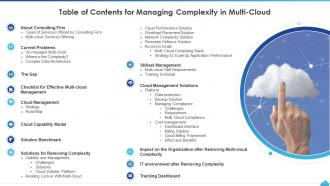
Slide 3: This slide presents Table of Content for the presentation.
Slide 4: This slide highlights title for topics that are to be covered next in the template.
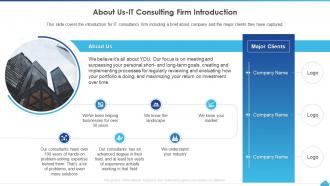
Slide 5: This slide displays the introduction for IT consultancy firm including a brief about company.
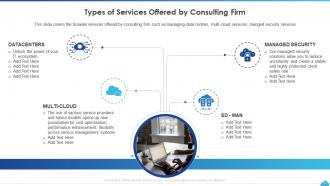
Slide 6: This slide represents Types of Services Offered by Consulting Firm.
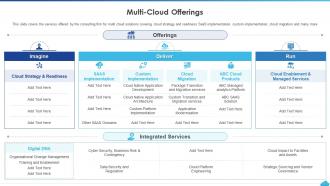
Slide 7: This slide covers the services offered by the consulting firm for multi cloud solutions.
Slide 8: This slide highlights title for topics that are to be covered next in the template.
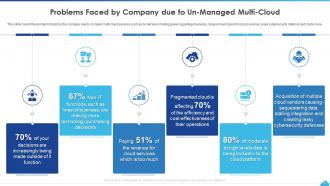
Slide 9: This slide showcases Problems Faced by Company due to Un-Managed Multi-Cloud.
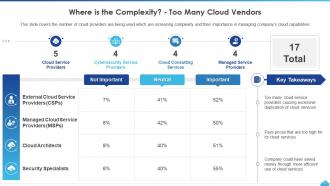
Slide 10: This slide shows increasing complexity and its importance in managing company’s cloud capabilities.
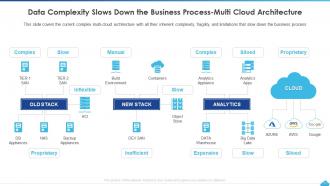
Slide 11: This slide presents current complex multi-cloud architecture with all their inherent complexity.
Slide 12: This slide highlights title for topics that are to be covered next in the template.
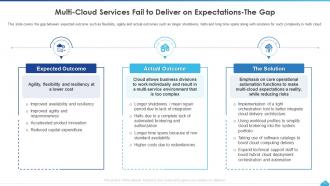
Slide 13: This slide covers the gap between expected outcome such as flexibility, agility and actual outcomes.
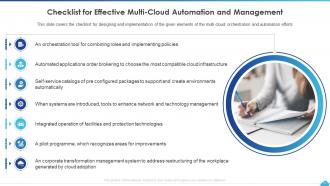
Slide 14: This slide displays Checklist for Effective Multi-Cloud Automation and Management.
Slide 15: This slide highlights title for topics that are to be covered next in the template.
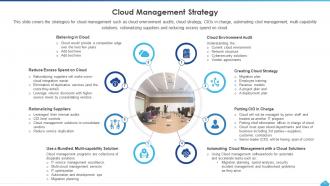
Slide 16: This slide covers the strategies for cloud management such as cloud environment audits, cloud strategy, etc.
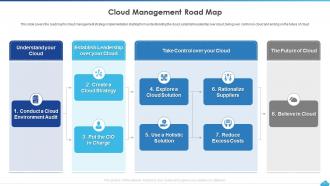
Slide 17: This slide represents roadmap for cloud management strategy implementation.
Slide 18: This slide highlights title for topics that are to be covered next in the template.
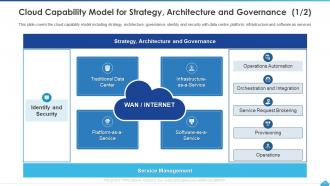
Slide 19: This slide showcases Cloud Capability Model for Strategy, Architecture and Governance.
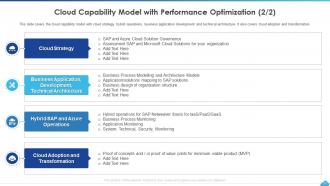
Slide 20: This slide presents Cloud Capability Model with Performance Optimization.
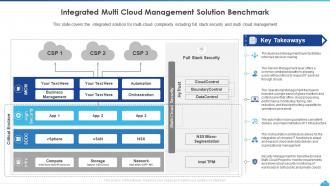
Slide 21: This slide displays Integrated Multi Cloud Management Solution Benchmark.
Slide 22: This slide highlights title for topics that are to be covered next in the template.
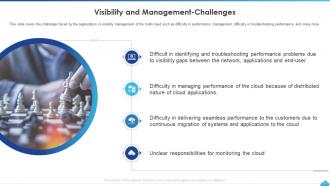
Slide 23: This slide represents challenges faced by the organization in visibility management of the multi-cloud.
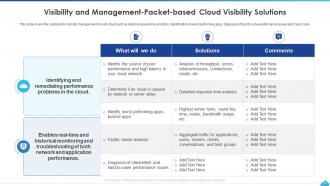
Slide 24: This slide showcases solutions for visibility management in multi-cloud.
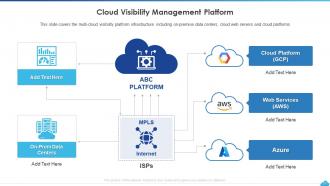
Slide 25: This slide covers the multi-cloud visibility platform infrastructure including on-premise data centers, cloud web servers and cloud platforms.
Slide 26: This slide highlights title for topics that are to be covered next in the template.
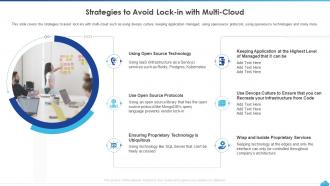
Slide 27: This slide shows Strategies to Avoid Lock-in with Multi-Cloud.
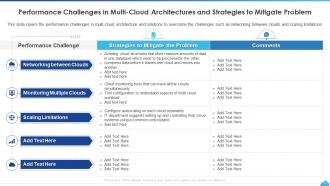
Slide 28: This slide presents performance challenges in multi-cloud architecture and solutions to overcome the challenges.
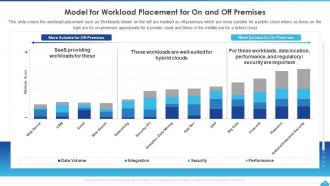
Slide 29: This slide displays Model for Workload Placement for On and Off Premises.
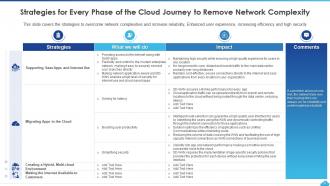
Slide 30: This slide represents strategies to overcome network complexities and increase reliability.
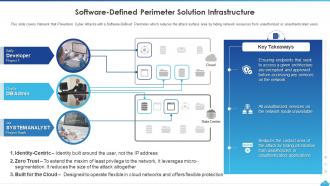
Slide 31: This slide covers Network that Prevent Cyber Attacks with a Software Defined Perimeter .
Slide 32: This slide highlights title for topics that are to be covered next in the template.
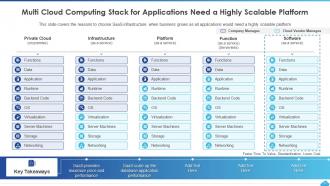
Slide 33: This slide shows reasons to choose SaaS infrastructure when business grows.
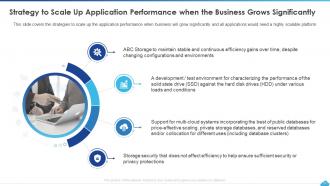
Slide 34: This slide presents Strategy to Scale Up Application Performance when the Business Grows Significantly.
Slide 35: This slide highlights title for topics that are to be covered next in the template.
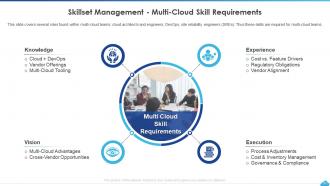
Slide 36: This slide displays several roles found within multi-cloud teams.
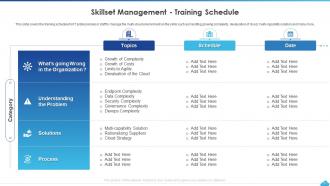
Slide 37: This slide represents training schedule for IT professionals or staff to manage the multi-cloud environment.
Slide 38: This slide highlights title for topics that are to be covered next in the template.
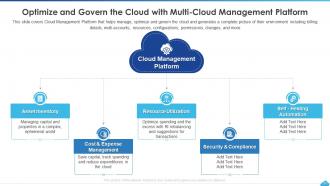
Slide 39: This slide showcases Optimize and Govern the Cloud with Multi-Cloud Management Platform.
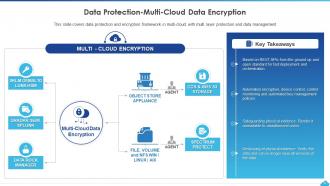
Slide 40: This slide covers data protection and encryption framework in multi-cloud.
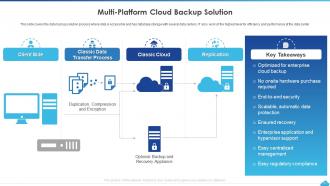
Slide 41: This slide shows the data backup solution process where data is Accessible.
Slide 42: This slide highlights title for topics that are to be covered next in the template.
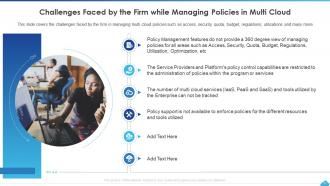
Slide 43: This slide presents Challenges Faced by the Firm while Managing Policies in Multi Cloud Environment.
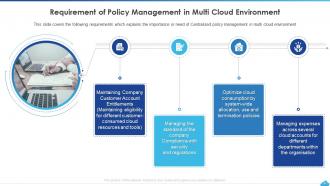
Slide 44: This slide displays Requirement of Policy Management in Multi Cloud Environment.
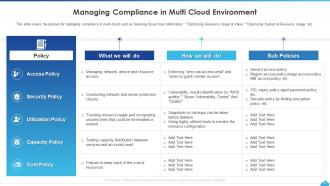
Slide 45: This slide represents Managing Compliance in Multi Cloud Environment.
Slide 46: This slide highlights title for topics that are to be covered next in the template.
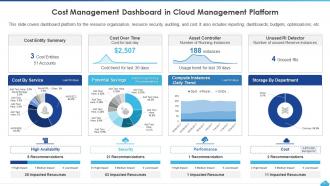
Slide 47: This slide showcases Cost Management Dashboard in Cloud Management Platform.
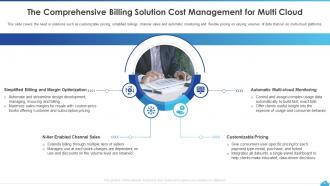
Slide 48: This slide covers the need or solutions such as customizable pricing, simplified billings, channel sales, etc.
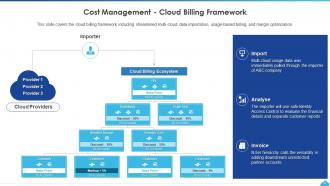
Slide 49: This slide shows the cloud billing framework including streamlined multi-cloud data importation.
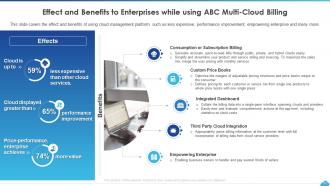
Slide 50: This slide presents Effect and Benefits to Enterprises while using ABC Multi-Cloud Billing.
Slide 51: This slide highlights title for topics that are to be covered next in the template.
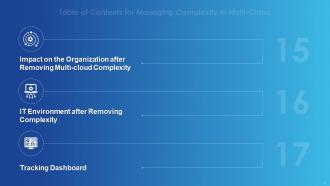
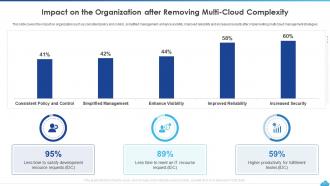
Slide 52: This slide displays Impact on the Organization after Removing Multi-Cloud Complexity.
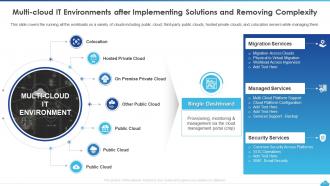
Slide 53: This slide represents the running all the workloads on a variety of clouds.
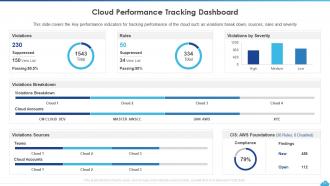
Slide 54: This slide showcases the Key performance indicators for tracking performance of the cloud.
Slide 55: This slide displays Icons for Managing Complexity in Multi-Cloud Environment.
Slide 56: This slide is titled as Additional Slides for moving forward.
Slide 57: This is Our Mission slide with related imagery and text.
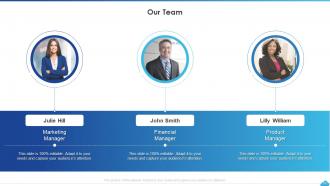
Slide 58: This is Our Team slide with names and designation.
Slide 59: This slide shows Post It Notes. Post your important notes here.
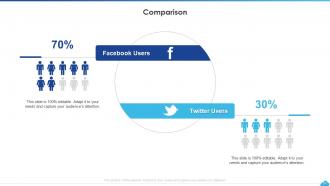
Slide 60: This is a Comparison slide to state comparison between commodities, entities etc.
Slide 61: This slide displays Mind Map with related imagery.
Slide 62: This slide depicts Venn diagram with text boxes.
Slide 63: This slide contains Puzzle with related icons and text.
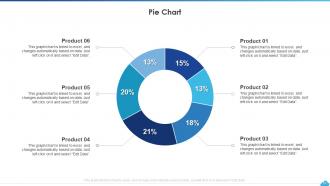
Slide 64: This slide shows Pie Chart with data in percentage.
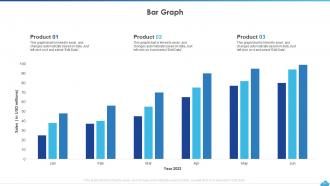
Slide 65: This slide presents Bar chart with two products comparison.
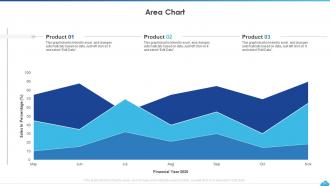
Slide 66: This slide depicts Area chart with two products comparison.
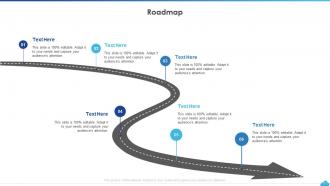
Slide 67: This slide presents Roadmap with additional textboxes.
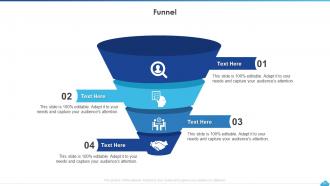
Slide 68: This slide displays Funnel with related icons and text.
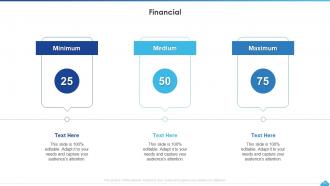
Slide 69: This is a Financial slide. Show your finance related stuff here.
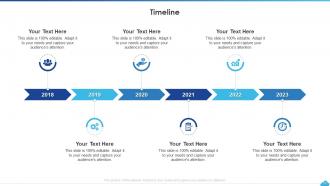
Slide 70: This is a Timeline slide. Show data related to time intervals here.
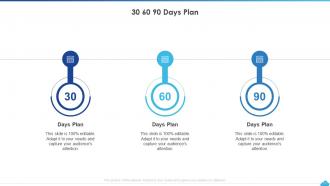
Slide 71: This slide provides 30 60 90 Days Plan with text boxes.
Slide 72: This is a Thank You slide with address, contact numbers and email address.
How To Manage Complexity In Multicloud Powerpoint Presentation Slides with all 77 slides:
Use our How To Manage Complexity In Multicloud Powerpoint Presentation Slides to effectively help you save your valuable time. They are readymade to fit into any presentation structure.





FAQs for How To Manage Complexity In Multicloud
Organizations effectively manage multicloud cost visibility through unified dashboards, automated tagging policies, cross-platform monitoring tools, and standardized cost allocation frameworks. These approaches enable real-time spending tracking, departmental chargeback systems, and predictive budgeting across AWS, Azure, and Google Cloud environments, with many enterprises finding that centralized cost governance reduces cloud expenditure by 20-30% while enhancing operational transparency.
Multicloud security strategies include centralized identity management, automated compliance monitoring, unified security policies, data encryption across platforms, and continuous vulnerability assessments. These approaches streamline governance by establishing consistent controls, automated auditing, and real-time threat detection, with many organizations finding that strategic policy standardization ultimately delivers enhanced regulatory compliance and reduced security risks.
Multicloud management enhances disaster recovery by distributing data and applications across multiple cloud providers, ensuring redundancy and minimizing single points of failure. This strategic approach enables organizations to implement automated failover mechanisms, geographically distributed backups, and faster recovery times, with many financial institutions and healthcare systems finding significantly improved business continuity and reduced downtime risks.
Key challenges include data compatibility issues, security inconsistencies across platforms, network connectivity complexities, cost management difficulties, and vendor lock-in concerns. These integration hurdles often result in fragmented operations and increased administrative overhead, with many organizations finding that strategic planning and unified management tools ultimately streamline multicloud environments while delivering enhanced flexibility and operational efficiency.
Automation tools enhance multicloud efficiency by streamlining resource provisioning, automating deployment pipelines, and enabling consistent policy enforcement across platforms. Through infrastructure-as-code and orchestration platforms, organizations minimize manual errors, accelerate service delivery, and optimize resource allocation, with many enterprises finding that automated multicloud management reduces operational overhead while improving scalability and governance.
APIs serve as standardized communication bridges that enable different cloud platforms to exchange data, share resources, and coordinate workflows seamlessly across multicloud environments. Through RESTful APIs and microservices architectures, organizations streamline integration processes, automate cross-platform operations, and maintain consistent service delivery, with many enterprises finding that API-first strategies significantly reduce vendor lock-in while enhancing operational flexibility.
Businesses can monitor multicloud performance through centralized dashboards, automated analytics tools, cross-platform monitoring solutions, and unified management platforms that track resource utilization across providers. These systems enable organizations to identify bottlenecks, redistribute workloads dynamically, and optimize costs in real-time, with many enterprises finding that strategic workload placement ultimately delivers enhanced efficiency and competitive advantage.
Essential skills for multicloud management include cloud platform expertise across AWS, Azure, and Google Cloud, automation and orchestration capabilities, security and compliance knowledge, cost optimization techniques, and strong monitoring abilities. These competencies enable IT teams to streamline operations, enhance security protocols, and optimize resource allocation across diverse cloud environments, ultimately delivering improved operational efficiency and competitive advantage in an increasingly complex infrastructure landscape.
Multicloud architectures enhance business agility by enabling organizations to select optimal cloud services for specific workloads, avoid vendor lock-in, and scale resources dynamically across platforms. Through strategic distribution of applications and data, companies in sectors like retail and financial services accelerate time-to-market, optimize costs, and leverage specialized AI and analytics capabilities, ultimately delivering competitive advantages and faster innovation cycles.
Multicloud management significantly reduces vendor lock-in by distributing workloads across multiple cloud providers, preventing over-dependence on any single platform. This strategic diversification enables enterprises to negotiate better pricing, avoid proprietary constraints, and maintain operational flexibility, with many organizations finding that balanced multicloud approaches ultimately deliver greater bargaining power and reduced switching costs.
Multicloud management tools streamline policy enforcement by centralizing governance frameworks, automating compliance monitoring, and standardizing security protocols across diverse cloud platforms. These solutions enable organizations to implement consistent access controls, data protection standards, and operational guidelines seamlessly, with many enterprises finding that unified policy management reduces complexity while enhancing security oversight and regulatory compliance.
Businesses should track cost optimization across providers, application performance and latency, data transfer efficiency, security compliance rates, and vendor dependency ratios. Through comprehensive monitoring dashboards, organizations in retail, healthcare, and financial services measure resource utilization, downtime reduction, and deployment speed, ultimately delivering enhanced operational visibility and strategic cost control.
Multicloud approaches complicate data governance by fragmenting information across multiple cloud providers, each with distinct security protocols, compliance requirements, and jurisdictional regulations. Organizations must establish unified governance frameworks that address data residency, access controls, and regulatory compliance across platforms, with many financial services and healthcare institutions finding that strategic multicloud management ultimately enhances data sovereignty while requiring more sophisticated oversight mechanisms.
Best practices for selecting cloud service providers include evaluating performance requirements, cost structures, security certifications, compliance standards, and integration capabilities. Organizations should assess each provider's strengths across different workloads, with financial services often choosing AWS for analytics while leveraging Azure for Microsoft integration, ultimately delivering optimized performance and reduced vendor dependency.
Companies balance multicloud architecture with sustainability by optimizing resource allocation, leveraging cloud providers' renewable energy commitments, implementing automated scaling to minimize waste, and consolidating workloads efficiently. Strategic cloud selection enables organizations to reduce their carbon footprint while maintaining operational flexibility, with many enterprises finding that sustainable multicloud practices ultimately deliver cost savings, enhanced performance, and competitive advantage in an increasingly environmentally conscious market.
-
Awesome presentation, really professional and easy to edit.
-
Easy to edit slides with easy to understand instructions.