


How to simplify it powerpoint presentation slides





Try Before you Buy Download Free Sample Product
 Impress Your
Audience
 100%
Editable
 Save Hours
of Time


Introducing our high quality and content ready How To Simplify It PowerPoint Presentation Slides. Outline IT simplification process with the help of this professionally designed work simplification process presentation deck. The visually appealing information technology simplification PowerPoint complete deck contains ready to use forty PPT slides such as levers of IT simplification, approaches to reduce complexity, strategy modernizing application and so on. Aligning IT with business objectively is hypercritical today. Elaborate factors leading to IT complexity such as decentralization of business, support greater business demands, etc, using IT simplification PPT visuals. All of these complexities lead to higher costs and lower quality. Make use of our topic-specific simplifying IT landscape Powerpoint template to improve systems performance. Furthermore, you can use the professionally designed simplification of technology operations PowerPoint presentation deck to give actionable recommendations to drive better business outcomes. Thus, download the high-quality IT simplification assessment PPT visuals to achieve a more flexible IT backbone. Introduce folks to innovative exercises with our How To Simplify It Powerpoint Presentation Slides. Facilitate career change.
People who downloaded this PowerPoint presentation also viewed the following :
Content of this Powerpoint Presentation
Slide 1: This slide introduces How to Simplify IT. State Your Company Name and begin.
Slide 2: This slide shows IT Simplification Outline.
Slide 3: This slide describes IT Complexity brings Challenges for the Business.
Slide 4: This slide presents Factors Leading to IT Complexity describing- Corporate M&A Activity, Decentralization of the Business, Need to Support Greater Business Demands.
Slide 5: This is another slide showing Factors Leading to IT Complexity.
Slide 6: This slide represents Levers of IT Simplification describing- IT Location and Sourcing Setup, IT Demand Management, IT Organisation and Workforce, IT Infrastructure, IT Governance and Processes, Application and Data Landscape.
Slide 7: This slide showcases Approaches to Reduce Complexity describing- Consolidation & Rationalization of Applications, Systems, & Datacenters, Application Modernization, Unification of Operating Environments.
Slide 8: This slide shows M&A Leading to Continuing waves of Simplification.
Slide 9: This slide displays Components of IT Complexity Index.
Slide 10: This slide presents IT Simplification Strategy – Modernizing Applications.
Slide 11: This slide represents IT Simplification Roadmap describing- Secure Strong Executive Support, Take an Entrepreneurial Approach, Migrate to third-party Service providers and/or the cloud, Perform agile Software Development & Rollouts.
Slide 12: This slide showcases Reducing Complexity Across all Levels.
Slide 13: This slide is titled as How to Simplify IT with related imagery.
Slide 14: This slide shows Simplify Processes and Operating Models.
Slide 15: This slide presents Consolidate Applications with related imagery and text.
Slide 16: This slide displays Automate & Integrate describing- Automate repetitive and low-level tasks to reduce manual intervention, Simultaneously integrate development lifecycle tasks into automation efforts with tools and/or platforms, To optimize its quality assurance (QA) costs, with a key focus on cycle time reduction and continuous testing.
Slide 17: This slide represents Adopt a Converged Infrastructure with related imagery and icons.
Slide 18: This slide showcases Reduce Sourcing Complexity with the help of circular diagram.
Slide 19: This slide shows IT Simplification Benefits describing- Reduced/ reallocated IT staffing needs, Reduced server footprint through consolidation on a hybrid cloud platform, Consolidated vendor rosters and reduced licensing expenses, Unlocked value for investing in next-generation technology, Unlocked value for investing in next-generation technology.
Slide 20: This slide presents Segmented Annual Benefits of IT Simplification.
Slide 21: This slide represents KPIs associated with IT Simplification Projects.
Slide 22: This slide showcases How to Simplify IT Icons.
Slide 23: This slide reminds about 10 minutes coffee break.
Slide 24: This slide is titled as Additional Slides for moving forward.
Slide 25: This slide shows Combo Chart with three products comparison.
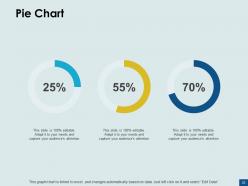
Slide 26: This slide displays Pie Chart with data in percentage.
Slide 27: This is a Location slide with map to show data related with different locations.
Slide 28: This is a Dashboard slide with text boxes.
Slide 29: This is a Comparison slide to state comparison between commodities, entities etc.
Slide 30: This is a Venn slide with text boxes.
Slide 31: This is a Lego slide with additional text boxes to show information.
Slide 32: This is Our Target slide. State your targets here.
Slide 33: This is a Thank You slide with address, contact numbers and email address.
How to simplify it powerpoint presentation slides with all 33 slides:
Use our How To Simplify It Powerpoint Presentation Slides to effectively help you save your valuable time. They are readymade to fit into any presentation structure.









FAQs for How to simplify it
Key principles include using minimal text, consistent visual hierarchy, high-contrast colors, single focal points, and plenty of white space. These design elements enhance audience comprehension by reducing cognitive load, improving readability, and directing attention strategically, with many presenters finding that simplified slides deliver stronger engagement and clearer message retention across business communications.
White space effectively reduces clutter by creating visual breathing room around key elements, separating content blocks, and guiding audience attention to your most important messages. Strategic spacing between text, images, and graphics enhances readability and comprehension, with many presenters finding that generous margins and minimal content per slide ultimately delivers greater audience engagement and message retention.
Visuals transform complex information into digestible content by replacing dense text with charts, infographics, diagrams, and data visualizations that audiences can quickly comprehend. Through strategic visual design, presenters streamline communication, reduce cognitive load, and enhance retention rates, with many organizations finding that visual-heavy presentations deliver faster decision-making and improved stakeholder engagement.
Choose color schemes that prioritize high contrast between text and backgrounds, limit your palette to 2-3 complementary colors, and ensure consistency throughout your presentation. Consider your audience and presentation environment, with many professionals finding that neutral backgrounds with bold accent colors, such as navy text on light gray or dark green highlights on white, deliver maximum readability while maintaining visual appeal across different screen types and lighting conditions.
Best practices for PowerPoint font selection include using sans-serif fonts like Arial or Calibri, maintaining minimum 24-point size for body text, limiting font varieties to two maximum, ensuring high contrast between text and background, and avoiding decorative typefaces for readability. These guidelines enhance audience comprehension by reducing visual distractions, improving legibility from distance, and creating professional consistency, with many presenters finding that strategic font choices ultimately deliver clearer communication and stronger audience engagement.
Incorporate storytelling elements through clear narrative arcs using minimal text, compelling visuals that support your story's progression, and logical slide sequences that guide audiences naturally. Focus on one story beat per slide, use consistent visual themes that reinforce your narrative, and include relatable examples or case studies, with many presenters finding that simplified storytelling formats enhance audience engagement and message retention significantly.
Bar charts, line graphs, pie charts, and simple scatter plots effectively present data without overwhelming audiences through clear visual hierarchy, minimal color schemes, and focused messaging. These formats streamline complex information by highlighting key trends, comparing essential metrics, and eliminating unnecessary elements, with many presenters finding that strategic simplification ultimately enhances audience comprehension and engagement.
Limit text by using the 6x6 rule (maximum six bullet points with six words each), focusing on key phrases rather than complete sentences, and replacing lengthy explanations with compelling visuals or infographics. This approach enhances audience attention and comprehension, with many presenters finding that concise slides deliver stronger engagement and message retention.
PowerPoint offers design templates, Smart Art graphics, Designer suggestions, slide layouts, and formatting consistency tools to streamline simple presentations. These features enable users to create professional slides by automating design choices, maintaining visual coherence, and reducing manual formatting time, with many organizations finding that standardized templates and automated suggestions ultimately deliver faster presentation development and enhanced visual impact.
Transitions and animations enhance slide narratives by guiding audience attention, creating logical flow between concepts, and emphasizing key points at strategic moments. When used purposefully, these elements streamline information delivery by reducing cognitive load, maintaining engagement through paced revelation of content, and reinforcing message hierarchy, ultimately delivering clearer communication and stronger audience retention.
**INPUT**: What strategies can I use to ensure consistency across multiple slides while keeping designs simple? **OUTPUT**: Consistency strategies include using master slide templates, standardized color palettes, uniform font hierarchies, consistent spacing guidelines, and streamlined visual elements throughout your presentation. These approaches enhance professional credibility by maintaining visual coherence, reducing cognitive load for audiences, and accelerating slide creation processes, with many organizations finding that template-driven consistency ultimately delivers more impactful presentations while minimizing design complexity. *[Word count: 60]*
Presentation templates streamline slide creation by providing pre-designed layouts, consistent formatting, professional color schemes, and structured content frameworks that eliminate starting from scratch. These templates enable faster development, maintain visual consistency across presentations, and ensure professional aesthetics, with many organizations finding that standardized templates reduce preparation time by 60-70% while enhancing overall presentation quality.
PowerPoint slides should always include the core message, supporting data or evidence, clear headings, and actionable takeaways, while omitting excessive text, redundant details, and decorative elements that don't serve the narrative. This strategic approach streamlines presentations by focusing on essential information, with many organizations finding that simplified slides enhance audience engagement, improve message retention, and ultimately deliver more impactful communication outcomes.
Testing simplified slides involves conducting practice sessions with colleagues, stakeholders, or focus groups, using A/B testing between original and simplified versions, and soliciting feedback through structured questionnaires or informal discussions. Many organizations find that pilot presentations with smaller teams reveal clarity issues, timing concerns, and comprehension gaps, while feedback from diverse departments ensures the simplified content resonates across different audience segments, ultimately delivering more impactful final presentations.
Common pitfalls include removing essential context, oversimplifying complex data relationships, eliminating necessary supporting details, using overly generic visuals, and stripping away brand consistency elements. While streamlining presentations enhances audience engagement, organizations must balance clarity with completeness, ensuring simplified slides still deliver comprehensive information and maintain professional credibility across stakeholder communications.
-
Commendable slides with attractive designs. Extremely pleased with the fact that they are easy to modify. Great work!
-
Understandable and informative presentation.
-
Top Quality presentations that are easily editable.