

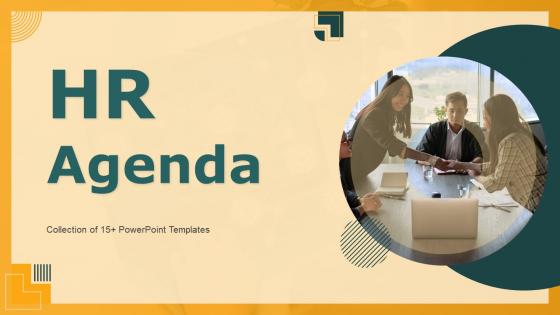
HR Agenda Powerpoint Ppt Template Bundles




Try Before you Buy Download Free Sample Product
 Impress Your
 Audience
 100%
100% Editable
 Save Hours
 of Time


Our HR Agenda Powerpoint Ppt Template Bundles are topically designed to provide an attractive backdrop to any subject. Use them to look like a presentation pro.
People who downloaded this PowerPoint presentation also viewed the following :
HR Agenda Powerpoint Ppt Template Bundles with all 25 slides:
Use our HR Agenda Powerpoint Ppt Template Bundles to effectively help you save your valuable time. They are readymade to fit into any presentation structure.





FAQs for HR Agenda Powerpoint
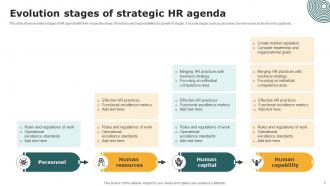
Honestly, focus on five main things: hiring good people and keeping them, training/development, performance reviews, pay/benefits, and company culture. Culture is where most places totally screw up - sounds touchy-feely but it matters more than anything else. You'll need decent communication and policies that don't make people want to scream. Oh, and don't try fixing everything at once - that's a recipe for disaster. Figure out what's broken first, then tackle issues one at a time. Trust me on this one.
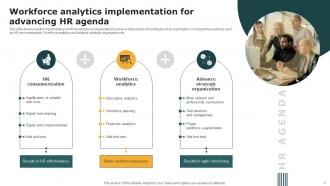
Honestly, start with whatever's eating up most of your time - that's where tech pays off big. Automate the boring stuff like onboarding and performance reviews so you can actually focus on strategy. Analytics tools are game-changers for spotting turnover patterns and engagement issues (wish I'd discovered them sooner). Self-service portals cut down your admin work while employees get faster answers. Project management apps keep everything organized with deadlines that actually stick. The whole digital switch makes processes way cleaner, plus you'll see which recruiting metrics matter most. Just pick one problem area first and go from there.
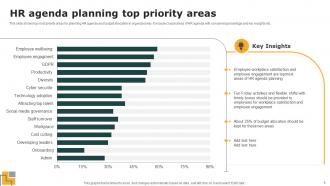
Honestly, engagement data is like your HR roadmap. Low scores? You'll be scrambling to fix culture issues, train managers, build career paths - basically playing defense. High engagement means you can actually think ahead about succession planning and cool new benefits. The thing is, engagement affects literally everything. Bad vibes spread fast during recruiting, and performance reviews get weird when people are checked out. I've seen it tank whole departments. Just pull your latest survey results and see what's broken - that's your priority list right there.
Honestly, most HR people totally skip the obvious first step - actually figuring out what leadership cares about this year. Grab coffee with the executives and nail down their top 3-5 priorities. Growth mode? Focus on hiring processes that won't break when you scale. Cost-cutting year? Different story entirely. Work backwards from there to see what talent stuff you actually need. I learned this the hard way - used to propose random HR initiatives that sounded good but didn't move the needle. Now everything I pitch connects directly to whatever's keeping the CEO up at night.
Pick your battles - start with the obvious stuff like turnover rates, time-to-hire, and engagement scores. Those numbers don't lie. Exit interviews are gold too, even if they're messy to analyze. I'd also watch training completion rates and internal promotions. Honestly, diversity metrics can be tricky but worth tracking if that's a priority for you. Don't go overboard though - maybe 5-6 key things max? I learned this the hard way trying to measure everything. Quarterly check-ins work well since monthly feels too rushed. Focus on what actually connects to your goals, not just what looks impressive in reports.
Honestly, D&I isn't optional anymore - it's basically core to everything HR does. Your hiring, retention, performance reviews... all of it gets touched by diversity work. Teams with actual diversity crush it performance-wise (who would've thought, right?). Plus you're risking legal headaches and bad PR if you skip it. The real trick? Don't just do surface-level training sessions. Actually dig into your data first - check hiring patterns, who's getting promoted, why people quit. That'll show you where the real problems are hiding.
Honestly, you've got to focus on AI analytics for hiring decisions and skills-based recruiting - degrees are becoming pretty irrelevant. Hybrid work tools are huge right now too. Mental health support isn't optional anymore (forget the basic gym perks). People want real transparency around pay and career paths, which makes sense. Internal mobility platforms are way smarter than constantly hiring externally since retention costs less. Oh, and continuous learning stuff is everywhere now. I'd probably audit what you're missing first, then maybe pilot one or two things this quarter instead of trying to fix everything at once.
Honestly, just weave learning into stuff people already do. Lunch-and-learns work great, or have people share what they picked up at conferences (assuming anyone actually went lol). Don't treat development like some luxury item that gets axed when money's tight. Mentorship programs are clutch. Job rotations too - they're underrated. Managers should talk career stuff regularly, not just during those awkward annual reviews nobody likes. Oh, and celebrate when someone learns something new! Makes a huge difference in getting people excited about growing.
Honestly, it comes down to three things. Pay people well - like actually competitive salaries plus benefits they care about (flexible work is huge right now). Build a culture where people don't feel like disposable robots. I know that sounds cheesy but it matters way more than ping pong tables. Growth opportunities are clutch too - nobody wants to feel stuck. The tricky part? Retention is way harder than hiring. Your managers probably need training because people quit bosses, not companies. Oh, and do those "stay interviews" before people are already walking out the door. Much easier to fix problems early.
Honestly, you've got to completely flip your HR game plan now. Onboarding needs to work virtually, and forget measuring hours - focus on what people actually get done. Communication tools are huge, so invest there. Remote hiring opens up way more talent pools which is pretty cool. But here's the thing - keeping everyone connected without an office is tricky. I'd start by looking at your current policies because most were written for the old "everyone sits at desks" world. Performance reviews, time off, all that stuff probably needs tweaking. Culture building gets weird when people don't randomly bump into each other by the coffee machine.
Honestly, data analytics is just a fancy way of backing up what you already suspect with actual proof. You know how you have hunches about why people quit or what benefits they actually care about? Now you can prove it with exit interviews, performance numbers, engagement surveys - whatever you've got. Short sentences work. Start with metrics you're already collecting anyway, then expand once you get the hang of it. I'd pick one area where leadership always questions your decisions and just let the numbers speak for themselves. Way harder to argue with spreadsheets than opinions, and you'll catch issues before they become full-blown disasters.
Stop treating employee feedback like a fire drill - make it part of your regular routine. Do quarterly surveys, but here's the thing: actually READ the damn results in leadership meetings. I've seen so many companies collect feedback just to ignore it completely. Pick the biggest issues (workload, crappy managers, whatever) and tackle one thing each quarter. The magic happens when you tell employees "hey, we heard you about X and here's what we're doing." Otherwise they'll think you're just going through the motions. Start with something small you can actually fix.
Honestly, labor law compliance isn't just some box to check - it literally drives your whole HR strategy. Start by auditing what you're doing now against federal and local rules. Then build everything else around that framework. Your policies, training, even hiring practices all need to fit within those legal boundaries. It's way more expensive and time-consuming than people think (learned that the hard way). But if you bake compliance into your planning from day one, everything else flows better. Performance reviews, company culture stuff, employee handbooks - they all work smoother when you've got that legal foundation sorted first.
Make change management a real strategic priority, not something you tack on later. Three things matter most: communication (seriously, people lose their minds when they're kept in the dark), training your teams for new processes, and making sure changes actually fit your company culture. Most initiatives crash and burn because of poor communication - I've seen it happen so many times. Build this stuff into your quarterly planning and give someone actual ownership of each change. Start by figuring out where your current processes are bleeding momentum. Once you know that, you'll have a better shot at fixing things.
Honestly, mix it up with different channels - people process stuff differently. All-hands meetings, emails, intranet posts, whatever works. But here's the thing: explain WHY you're doing something, not just what's changing. Town halls are solid because people can actually ask questions instead of sitting there confused. I've watched so many initiatives crash and burn when HR just blasts out some wordy email and expects magic to happen. Use visuals if you can - breaks up the wall of text. Oh, and get your managers bought in first. They're gonna be the ones fielding questions later anyway, so might as well make them your allies from the start.
-
The designs by SlideTeam are honestly the best I have seen so far. Will be definitely coming back for more.
-
Informative and engaging! I really like the design and quality of the slides.