

HR Responsibility Powerpoint Ppt Template Bundles





Try Before you Buy Download Free Sample Product
 Impress Your
Audience
 100%
Editable
 Save Hours
of Time


Our HR Responsibility Powerpoint Ppt Template Bundles are topically designed to provide an attractive backdrop to any subject. Use them to look like a presentation pro.
People who downloaded this PowerPoint presentation also viewed the following :
HR Responsibility Powerpoint Ppt Template Bundles with all 25 slides:
Use our HR Responsibility Powerpoint Ppt Template Bundles to effectively help you save your valuable time. They are readymade to fit into any presentation structure.











FAQs for HR Responsibility Powerpoint
Honestly, you're like the culture guardian of the company. Your hiring choices and policies set the whole vibe. Quick communication channels are huge - and jump on toxic stuff fast before it spreads like wildfire. That onboarding process? Perfect chance to drill in those company values. I'd do regular check-ins to catch problems early instead of waiting for everything to blow up. Oh, and don't forget to actually celebrate the good stuff when people do things right. Maybe start by looking at what you're doing now and pick one thing to fix immediately.
Look, those first 90 days are make-or-break time. Don't just throw paperwork at people and call it onboarding. Set up regular check-ins with their manager plus pair them with a buddy - trust me, even the confident ones are usually drowning inside. Beyond basic orientation, they need role-specific training and some quick wins to feel good about. Your managers better actually know how to onboard too, not just pile on random tasks. Oh, and track what's happening during those three months. You'll start seeing why people stick around or ghost you. Consistent feedback makes all the difference.
So basically HR jumps in when people are butting heads at work - they'll sit everyone down, dig into what happened, and try to hash things out. They also train managers how to handle this stuff (which honestly, some really need). The smart ones don't just wait for drama though. Good HR departments set up systems beforehand - regular one-on-ones, clear job descriptions, that kind of thing. My advice? Don't let conflicts fester until they blow up. Hit up HR early for some coaching on how to tackle it yourself first.
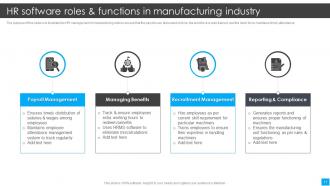
Definitely start with an ATS if you don't have one - it'll auto-screen resumes and handle interview scheduling, which is honestly a lifesaver. AI ranking tools are pretty solid now for sorting candidates by your criteria. I've seen chatbots handle basic candidate questions surprisingly well too. Video platforms make first-round interviews way less of a scheduling nightmare. LinkedIn Recruiter beats manual searching by miles (though it's pricey). Here's the thing though - don't go crazy with tools. Pick maybe 2-3 that actually work together instead of trying every shiny new thing. Trust me on that one.
So first thing - audit what you're doing now and spot the biggest problems. Review job postings for biased language, then expand where you're recruiting to actually reach diverse candidates. Structured interviews help cut down unconscious bias too. Training matters a ton, especially for leadership development. But honestly? Most companies just go through the motions here. The real difference comes from measuring your progress and making leaders accountable for results. Set up employee resource groups, make sure policies work for everyone's backgrounds. Oh, and survey people regularly about their actual experiences - that feedback is gold.
Honestly, the biggest game-changer is documenting stuff as it happens - don't scramble at review time trying to remember examples from 8 months ago. I swear by the SBI thing (Situation, Behavior, Impact) because it keeps feedback super specific instead of just saying "you need to communicate better" which... yeah, unhelpful. Oh and make it a real conversation! Ask what they actually want career-wise and what roadblocks they're hitting. Quarterly check-ins are clutch too - nobody likes surprise feedback bombs once a year. Trust me on this one.
Honestly, start with something simple like tracking how long it takes to hire people - that data alone will show you where things are getting stuck. Performance metrics and turnover rates can reveal which recruiting sources actually bring in your best employees (some will surprise you). I got super into this stuff recently because you can literally predict who's about to quit before they even know it themselves. Look at engagement scores and compensation patterns too. Once you dig into the numbers, you'll spot skill gaps before they blow up into major problems. The whole thing sounds boring but it's actually pretty fascinating how much these patterns tell you about what makes people stick around.
Training your team is huge for keeping people around and actually engaged. Most employees expect growth opportunities now - it's just table stakes. When you invest in someone's development, they feel valued and stick around longer. Short bursts work better than those boring all-day sessions, trust me on that one. The trick is matching what your business needs with where people want to grow career-wise. Otherwise you're just wasting everyone's time. It fills skill gaps naturally while boosting performance. Smart companies use it to solve turnover issues before they get bad.
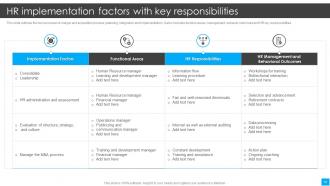
So basically HR tracks all the employment laws - FLSA, FMLA, ADA, you know the drill. Laws change constantly (which is honestly annoying), so we're always updating handbooks and training managers. Documentation is huge too. We handle posting those required notices nobody reads and work with lawyers when things get messy. Here's the thing though - bring HR in early on employment decisions. Don't wait until something blows up and then ask for help. We audit policies regularly and stay on top of federal, state, and local stuff so you don't have to worry about compliance issues.
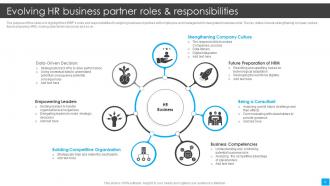
So HR is basically your company's matchmaker between business goals and having the right people to hit them. You're always looking ahead - figuring out what talent you'll need, spotting where skills are missing, planning who to hire or train. Think workforce crystal ball but with spreadsheets lol. Leadership changes direction? You've gotta prep your teams for what's coming. Honestly the hardest part is staying in the loop with all the big strategic conversations, then turning those huge plans into actual people moves. I'd start by just mapping who you have now against what's coming down the pipeline.
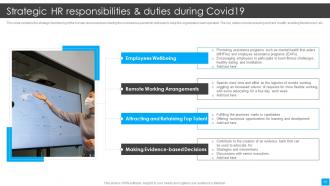
Honestly, start with Employee Assistance Programs - confidential counseling is a game changer. Mental health days need to be as normal as calling in sick, period. Train your managers to spot burnout early, and flexible work arrangements help too. Oh, and those wellness check-ins? They actually work if you're not just going through the motions. The biggest thing though - don't just write policies and forget them. You've got to talk about this stuff openly and show people it's safe to struggle. Pick one thing first, then build up from there.
Honestly, the culture thing hits hardest - you can't just grab coffee and chat anymore. Communication across time zones becomes this whole logistical nightmare. Performance reviews get weird when you're missing all those little visual cues, and don't get me started on onboarding someone who's never even seen the office. Everyone's dealing with different home setups too, some people are working from their kitchen table. Work-life balance? What's that when your bedroom is also your conference room. Regular check-ins help though. Invest in decent collaboration tools from day one - it's worth it.
So HR is basically the middleman between bosses and regular employees. They set up town halls, surveys, one-on-ones - all that stuff to keep communication flowing. Sometimes they're literally translating corporate jargon into normal human speak (and honestly, thank god for that). They also train managers on how to actually talk to people without being weird about it. The whole point is making sure info goes both ways smoothly. Like, employees can voice concerns that actually reach the top, while management decisions get explained properly instead of just dropped on everyone. It's pretty crucial for avoiding those "wait, what's happening?" moments.
Focus on recognition, communication, and growth opportunities - those are your big three. Regular one-on-ones help a ton, plus simple peer shout-outs (honestly, people eat that stuff up). Clear career paths matter too. Flexible work is huge right now - everyone wants that autonomy. Actually listen to feedback through surveys or casual check-ins, but here's the thing: you've got to act on it. Nothing kills engagement faster than people feeling heard but then... crickets. Oh, and don't try to fix everything at once. Pick one thing, nail it, then move on.
Oh man, succession planning is basically where HR gets to play fortune teller for the company's future leadership. First thing - sit down with department heads and figure out which roles are make-or-break critical. Then you're hunting for high-potential people who could step up. Here's the weird part though: someone might crush their current job but would be awful as a manager (we've all seen that promotion disaster). You'll need to set up mentoring programs and cross-training stuff. Honestly, it's like matchmaking but for careers. Build development plans around whoever shows real promise for those key spots.
-
Time saving slide with creative ideas. Help a lot in quick presentations..
-
The templates are easy to get, and the chat customer support is excellent.