

Human Resource Management Strategy Powerpoint Ppt Template Bundles





Try Before you Buy Download Free Sample Product
 Impress Your
 Audience
 100%
100% Editable
 Save Hours
 of Time


Our Human Resource Management Strategy Powerpoint Ppt Template Bundles are topically designed to provide an attractive backdrop to any subject. Use them to look like a presentation pro.
People who downloaded this PowerPoint presentation also viewed the following :
Human Resource Management Strategy Powerpoint Ppt Template Bundles with all 23 slides:
Use our Human Resource Management Strategy Powerpoint Ppt Template Bundles to effectively help you save your valuable time. They are readymade to fit into any presentation structure.

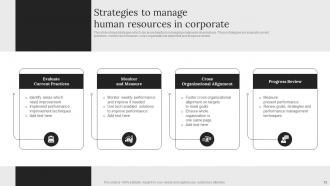
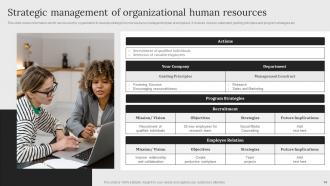






FAQs for Human Resource Management Strategy Powerpoint
Start with talent acquisition and performance management - those are your foundation. Then build out employee development and compensation strategy. Succession planning is huge too (seriously, I've seen so many companies completely ignore this until it's too late). Your systems need to actually help managers make daily people decisions, not create more bureaucracy. Do a quick audit of what you have now and find the biggest gaps hurting your team. Also, whatever you build has to connect to your business goals. HR that exists in its own bubble doesn't work. Focus on retention programs that actually make sense for your culture.
So basically, you want your HR stuff to actually support what the business is trying to do - not just exist in its own weird bubble. Map out your company's top priorities first. Then see how your hiring, training, and retention programs connect to those goals. Most companies are terrible at this, honestly. People get way more engaged when they understand how their job fits the bigger picture. You'll waste less money and get things done faster too. Start by looking at your current HR programs against maybe 3-5 key business objectives and spot where you're missing the mark.
Dude, tech is literally everything in HR now. AI screens resumes before you even see them, and analytics tell you who's about to quit before they know it themselves. Cloud systems handle payroll and reviews automatically - honestly saves me like 10 hours a week. Employees can request time off through apps now (thank god, no more paper forms). Predictive analytics are crazy good at spotting retention issues early. My advice? Look at whatever manual stuff is driving you nuts and find tech to fix it first. That's where you'll see the biggest impact right away.
Honestly, you'll want a mix of hard numbers and gut feeling stuff. Track your turnover rates, how long hiring takes, and those engagement surveys everyone complains about filling out. But also? Just walk around and see if people actually seem happy or miserable - that tells you more than you'd think. Look at whether your top performers are sticking around and if decent candidates even want to work there. Don't go crazy measuring everything though. Pick maybe 4-5 things that actually matter to your company goals. Figure out where you're at now, then check back every quarter to see if anything's actually changing.
Look, people stick around when they actually feel valued at work - crazy concept, right? Recognition programs and real feedback make employees want to stay AND work harder. The stats are pretty nuts: engaged workers are 87% less likely to quit and up to 31% more productive. But here's the thing - you can't fake it. People smell BS from a mile away. My advice? Survey your team first. Find out what they actually care about, then build around that instead of throwing random perks at them. Skip the generic stuff. It's way more effective when you're addressing their real needs.
Okay so basically you can't just slap D&I onto existing stuff and call it done. Start with hiring - different job boards, watch your language, structure interviews better to cut bias. Performance reviews and pay audits are huge too, honestly most companies are terrible at this part. Getting leadership on board is probably the worst hurdle, but once they're in it gets way easier. Track your retention numbers by group and actually do something when you see problems. Oh and make it built into your systems, not some separate "diversity program" that everyone ignores.
First thing - figure out what roles you actually need and when. Your employer brand matters way more than people think, so work on that early (takes ages though). Don't just post on job boards. Get creative with employee referrals, LinkedIn, industry meetups, maybe partner with local colleges. Keep your application process quick - good candidates ghost slow companies. Track everything: how long hiring takes, what it costs, which sources work best. Oh, and get your hiring managers involved from day one so you're not fighting over what makes a good hire later.
So they feed into each other, right? Your culture determines which HR moves will actually stick, but then those same practices shape the culture back. Say you want collaboration - you'll probably do group interviews and team-based reviews. Those processes then either boost that collaborative vibe or completely wreck it if done wrong. Pretty wild how circular it gets. The trick is matching your HR stuff to the culture you actually want, not just what sounds impressive. I'd start by checking if what you're doing now even supports the culture you say you have - might be surprised by the gaps.
Honestly, I'd start with individual development plans that match what your people actually want to learn - not just what the company needs. Cross-functional projects are gold for this, way better than boring training modules. Get them into external courses or conferences if budget allows. But here's the thing that actually moves the needle: make career conversations happen during regular one-on-ones, not just those awkward annual reviews nobody likes. Mentorship programs work great too. Ask each person what specific skill they want to build this quarter and go from there.
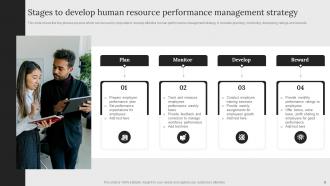
Look, performance management is what actually connects your HR strategy to real business results. You can't just set talent goals and hope for the best - you need that feedback loop where you're tracking progress, spotting skill gaps, then using all that info to improve your hiring and training. Short sentences work. The whole thing falls apart without decent performance management, honestly. I mean, your strategy becomes just fancy words on paper. The trick is making sure whatever you're measuring actually matters to what the business is trying to accomplish. Otherwise you're just collecting data for no reason.
First, figure out what's actually broken - high turnover? People checking out mentally? Performance issues? Then grab the numbers that matter: retention by team, how long hiring takes, satisfaction surveys. Most HR departments have tons of data just sitting there doing nothing, which is wild. Start connecting dots between stuff like bad managers and people quitting, or whether training actually improves performance reviews. Short sentences work. Longer ones help you see the real patterns emerging from all that information. Once you spot what's really happening, you can fix specific problems instead of throwing random solutions at the wall.
Honestly, the labor law stuff will probably drive you crazy - every country has totally different rules. Cultural expectations are huge too. What motivates people in Germany might completely flop in Japan, you know? Time zones are a nightmare for quick decisions. Plus you're constantly juggling this weird balance between keeping things consistent globally but still adapting to local quirks. I'd start by really digging into the legal differences in whatever regions you're targeting first. Build in flexibility from the start though, because you'll definitely need to pivot your approach based on what you learn.
Honestly, feedback and communication are what keep your strategy from totally flopping. You need regular check-ins with your team to see if your HR stuff is actually working or just sounds good on paper. Monthly pulse surveys are great for this - way better than waiting for annual reviews when it's too late to fix anything. Transparent communication gets everyone on the same page too, which makes your job way easier. The trick is making it go both ways though. Don't just announce things and expect magic to happen. Set up informal chats alongside those surveys so people actually feel heard.
Look, CSR totally changes how you handle your people stuff. Your hiring, keeping folks around, training - all of it has to match whatever social/environmental promises you're making. Millennials and Gen Z actually give a damn about working somewhere that aligns with their values (wild concept, right?). So you're talking sustainable benefits, volunteer time, working with ethical suppliers - the whole deal. My advice? Do a quick audit of your current HR against your CSR goals first. Figure out where the biggest mismatches are and tackle those. Way easier than trying to fix everything at once.
Okay so first thing - figure out what's actually changing in your industry. Like demographic stuff, how fast people are adopting new tech, what employees want now vs before. Then build flexibility into everything you can. Remote work, training programs, hiring from different places. Honestly the whole "future of work" buzzword makes me roll my eyes but the concept is solid - just stay adaptable. Get some good data tools so you can spot trends before they hit you. Map out who might leave and what skills you'll be missing. Oh, and make sure your benefits work for everyone from Gen Z to boomers. Start with auditing what you've got, then tackle the biggest gaps.
-
Great quality product.
-
SlideTeam was so customer-centric and quick service-provider that I doubted the amount I was paying and literally re-checked the transaction.