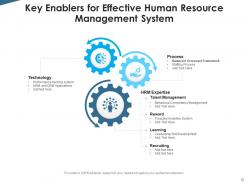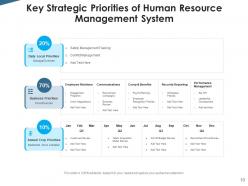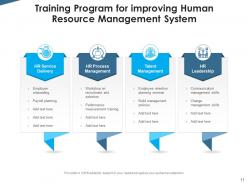
Human Resource Management System Enterprise Resource Organizational Capabilities Productivity

Rating:
88%
Human Resource Management System Enterprise Resource Organizational Capabilities Productivity
Slide 1 of 12
Favourites Favourites

Try Before you Buy Download Free Sample Product

Audience Impress Your
Audience
Editable 100%
Editable
Time Save Hours
of Time
The Biggest Sale is ending soon in
0
0
:
0
0
:
0
0
Rating:
88%
Introduce your topic and host expert discussion sessions with this Human Resource Management System Enterprise Resource Organizational Capabilities Productivity. This template is designed using high-quality visuals, images, graphics, etc, that can be used to showcase your expertise. Different topics can be tackled using the twelve slides included in this template. You can present each topic on a different slide to help your audience interpret the information more effectively. Apart from this, this PPT slideshow is available in two screen sizes, standard and widescreen making its delivery more impactful. This will not only help in presenting a birds-eye view of the topic but also keep your audience engaged. Since this PPT slideshow utilizes well-researched content, it induces strategic thinking and helps you convey your message in the best possible manner. The biggest feature of this design is that it comes with a host of editable features like color, font, background, etc. So, grab it now to deliver a unique presentation every time.

FAQs for Human Resource Management System Enterprise Resource

So you'll want to nail four main things: hiring the right people, managing performance well, developing your team, and getting compensation right. Most places totally botch at least one of these - I've seen it everywhere. Make sure your hiring actually matches what the business needs. Performance management works best with clear goals and regular check-ins, not just annual reviews. Development stuff like training and career paths keeps people from jumping ship. Pay needs to be competitive but fair across different roles. Honestly? Just figure out which one you're worst at right now and fix that first.

Honestly, HR metrics are a game-changer because they give you real data instead of just winging it. Track stuff like turnover rates, time-to-hire, and engagement scores - you'll start seeing patterns everywhere. High turnover in accounting but not marketing? There's your red flag. Plus, getting budget approval becomes so much easier when you can show concrete numbers. I learned this the hard way after years of "trust me" presentations that went nowhere. The key is picking maybe 3-5 metrics that actually matter for your biggest headaches and sticking with them consistently.

Oh man, HR without tech would be a nightmare now! We use AI to screen resumes, chatbots handle basic employee stuff, and everything gets tracked - turnover, engagement scores, you name it. Seriously, remember doing payroll by hand? Never again lol. The analytics help catch problems early and make smarter hiring choices. Most places run HRIS systems, applicant tracking, self-service portals. Start with whatever eats up most of your time - that's where you'll see the biggest win. Data insights alone make it worth the switch.

Honestly, start with fixing how you hire people. Post jobs on different boards and clean up those job descriptions - some of the language is probably scaring people away without you realizing it. Mix up your interview panels too. For keeping people around, mentorship programs work well, plus those employee resource groups. Oh, and if you're gonna do bias training, make it actually useful - not just some boring workshop everyone forgets about. You'll want clear promotion criteria so things stay fair. Survey your team regularly about their experiences. This stuff takes time though, it's not a quick fix.

Look, most places completely botch this by just dumping new hires into chaos on day one. Bad move. Start with solid orientation and pair them with someone who actually knows what they're doing. Set clear expectations upfront, then do regular check-ins - like every 30-60-90 days religiously. Growth opportunities matter way more than people think. Give real feedback, pay competitively, and actually listen when they're stressed about something. I've seen too many good people bail because they felt invisible. Quick wins early on help, but honestly? They'll stay if they see a future there and feel valued.

Okay, so first thing - listen to everyone without picking sides. You need the real story, not just surface drama. Write everything down because people's memories get super selective later (trust me on this one). Don't get caught up in personality stuff. Focus on what actually happened and how it's affecting work. Then sit down with everyone to brainstorm fixes they can all handle. After that, spell out what you expect going forward and check back to see if it's working. The trick is staying neutral but not letting things drag on forever - conflicts just get worse when you ignore them.

Honestly, remote work flipped everything upside down for HR. Trust becomes your biggest tool since you can't just peek over cubicle walls anymore. Digital onboarding is huge now - way different from showing someone around the office on day one. Performance management shifts to actual results instead of watching who stays late (which was kind of BS anyway). Mental health support matters more too because people are isolated. Company culture? That's the tricky part - you need way more intentional communication strategies. New engagement tools are essential. Work-life boundaries get blurry fast. Start by reviewing your policies - most were written for office life and probably sound outdated now.

Dude, this stuff actually matters for your wallet - engaged employees boost profits by like 23%. They show up more, don't bail as often (goodbye expensive hiring cycles), and genuinely care about doing good work. Your customers notice the difference too. Honestly, the fake sick days alone will drive you crazy with disengaged people. But here's the thing - when employees feel heard and see how their work connects to something bigger, everything clicks. Teams start collaborating naturally, innovation happens, and you've got that workplace vibe everyone wants. Just listen to them and give meaningful projects.

Dude, hiring laws are seriously tricky. Don't discriminate based on race, gender, age, religion, disability - the usual protected stuff. Your job posts need inclusive language, and interview questions have to actually relate to the job (no "when are you having kids?" nonsense). Background checks and drug tests? Yeah, those have weird state-specific rules depending on your industry. Document everything the same way every time - I learned this the hard way when we almost got in trouble last year. Train whoever's doing interviews on what's off-limits. Trust me, you'll want those detailed records if anything goes sideways.

So first thing - figure out what leadership gaps you actually have, then build around those. Mentorship programs work great, plus cross-department rotations so people see the bigger picture. I'd definitely do some formal training too (workshops, maybe external certifications), but honestly the real magic happens when you give high-potential people stretch projects before they're "ready." Half these folks just need permission to lead without the fancy title first. Oh, and don't skip the feedback sessions - people need to know how they're doing. Mix formal learning with actual hands-on stuff and you'll see results.

Honestly, the hardest part is convincing people to change how they've always done things. Managers hate it, employees hate it even more. Every department will do their own thing because managers can't help but add their personal spin to everything. Oh, and if your software doesn't play nice with what you're already using? Good luck with that mess. People will definitely try to cheat the system if you're not super clear about expectations upfront. I'd probably test it with just one team first, get their honest feedback, and make sure the big bosses are actually participating too.

Honestly, most companies treat training like a one-time thing and then act shocked when people don't grow. Map out where different roles can actually go career-wise first. Then build training that stacks - each piece builds on the last one. Do regular skills check-ins so you catch gaps early instead of scrambling later. Mix it up too - formal classes, mentoring, letting people work on projects in other departments. Oh, and those stretch assignments actually work pretty well. The whole thing should feel like an ongoing conversation, not some annual HR box to tick. Check in every quarter and tweak as needed.

Honestly, start by hiring people who actually fit your team's vibe - yeah they need skills, but a brilliant jerk will tank morale fast. Recognition programs help, but only if leadership is genuinely transparent and walks the talk instead of just hanging motivational posters everywhere. Training your managers to actually lead people (not just assign tasks) is huge. Professional development shows you're invested in growth too. Oh, and don't try to fix everything at once - pick one thing and nail it first. That whole "culture eats strategy for breakfast" thing is pretty spot-on.

Honestly, you've gotta stay on top of this stuff because it changes so fast now. Do regular surveys to catch trends - remote work, skill gaps, what different generations actually want. Then pivot your recruiting. Like, Gen Z might be more on TikTok than LinkedIn (weird but true). Beat competitors by offering hybrid work first. Keep updating pay based on what's actually happening in the market, not last year's data. Oh, and definitely invest in upskilling for tech roles - that shortage isn't going anywhere. The trick is watching for early signs instead of reacting after everyone else does.

Dude, wellness programs are honestly a game-changer for keeping good people around. Your team will actually stick around longer when you've got their backs with mental health support, gym perks, stress management stuff. Sick days drop. Productivity goes up. Finance loves it because healthcare costs shrink too - win-win situation there. But here's the thing though, don't just throw random wellness crap at people and call it a day. Actually ask your employees what they want first. Maybe they don't care about yoga but desperately need better work-life balance or flexible hours. Build around what they tell you, not some generic program everyone else is doing.

Ratings and Reviews

88% of 100
Review Form
Write a review
Most Relevant Reviews
  1. 100%

    by Dylan Richards

    Very unique and reliable designs.
  2. 80%

    by Jacob White

    Attractive design and informative presentation.
  3. 100%

    by Cortez Graham

    Good research work and creative work done on every template.
  4. 80%

    by Dante Wells

    Much better than the original! Thanks for the quick turnaround.
  5. 80%

    by Daron Guzman

    Design layout is very impressive.

5 Item(s)

per page: