


Human Resource Planning Structure Powerpoint Presentation Slides





Try Before you Buy Download Free Sample Product
 Impress Your
 Audience
 100%
100% Editable
 Save Hours
 of Time


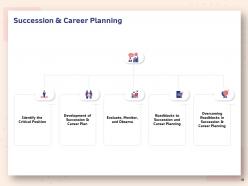
Human Resource Planning Structure PowerPoint Presentation Slides is specially designed for the HR personnel to illustrate talent management. Out HR management PPT theme features a visually-rich format. This personnel planning PowerPoint slideshow present stats in a concise manner without compromising on the quality of information. Our designers have inculcated best design to showcase steps of human resource planning. You can elucidate all the key HR functions including selection, recruitment, training, development, evaluation, and workforce assessment. Our manpower management PowerPoint templates help you to elaborate on succession and career planning. Address employee engagement process, and model using the graphical tools to engage your audience better. Workforce planning PPT presentation is studded with KPI metrics and dashboard diagrams. Our employee management PowerPoint theme helps you to stuff enormous amounts of details neatly. Our designers understand that info related to human capital is subjective. Hence, they have configured the layout of this labor force planning PPT slideshow with the utmost attention.
People who downloaded this PowerPoint presentation also viewed the following :
Content of this Powerpoint Presentation
Slide 1: This slide introduces Human Resource Planning Structure. State your Company name and begin.
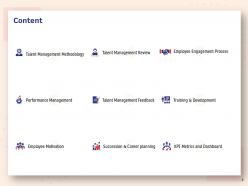
Slide 2: This slide displays Content of the presentation.
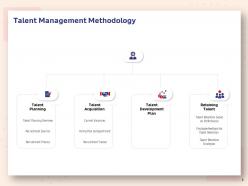
Slide 3: This slide shows Talent Management Methodology.
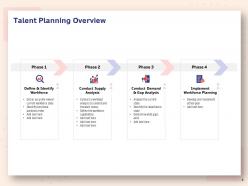
Slide 4: This slide presents Talent Planning Overview.
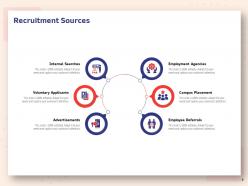
Slide 5: This slide shows Recruitment Sources.
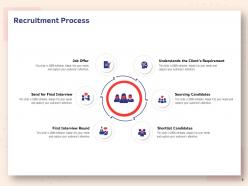
Slide 6: This slide shows Recruitment Process.
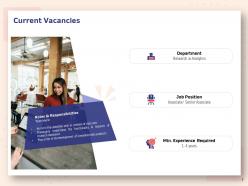
Slide 7: This slide displays Current Vacancies
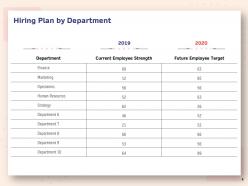
Slide 8: This slide presents Hiring Plan by Department.
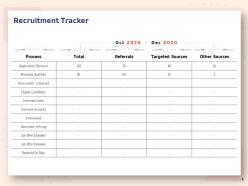
Slide 9: This slide showcases Recruitment Tracker
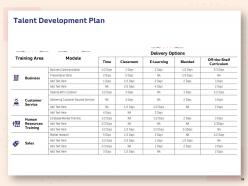
Slide 10: This slide depicts Talent Development Plan.
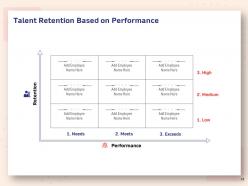
Slide 11: This slide shows Talent Retention Based on Performance
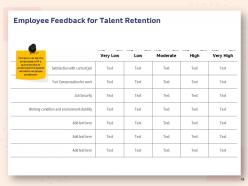
Slide 12: This slide showcases Employee Feedback for Talent Retention
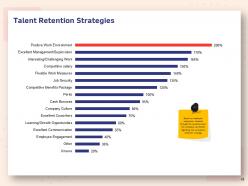
Slide 13: This slide depicts Talent Retention Strategies.
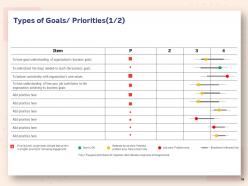
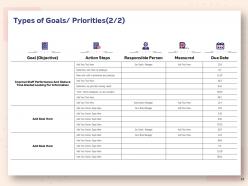
Slide 14: This slide showcases Types of Goals/ Priorities.
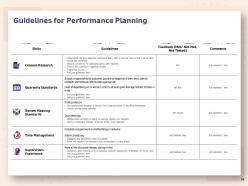
Slide 15: This slide showcases Guidelines for Performance Planning
Slide 16: This slide displays Types of Goals/Priorities.
Slide 17: This slide showcases Types of Goals/Priorities.
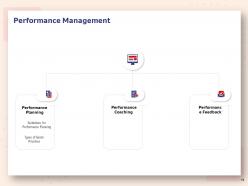
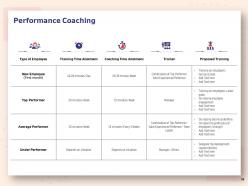
Slide 18: This slide depicts Performance Coaching
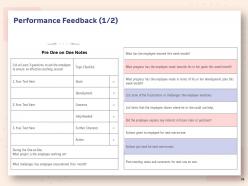
Slide 19: This slide presents Performance Feedback.
Slide 20: This slide presents Performance Feedback.
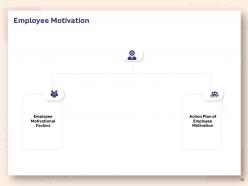
Slide 21: This slide shows Action Plan of Employee Motivation.
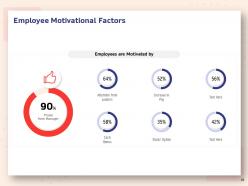
Slide 22: This slide displays Employee Motivational Factors.
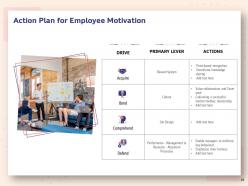
Slide 23: This slide shows Action Plan for Employee Motivation.
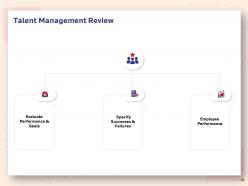
Slide 24: This slide depicts Talent Management Review.
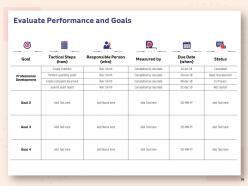
Slide 25: This slide showcases Evaluate Performance and Goals.
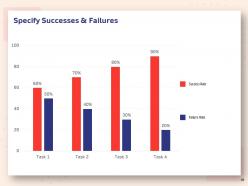
Slide 26: This slide presents Specify Successes & Failures.
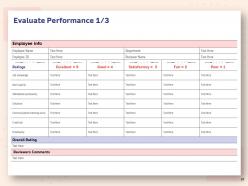
Slide 27: This slide presents Evaluate Performance.
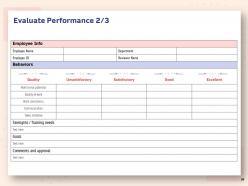
Slide 28: This slide presents Evaluate Performance.
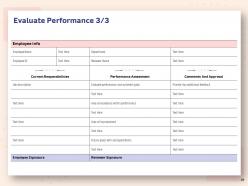
Slide 29: This slide presents Evaluate Performance.
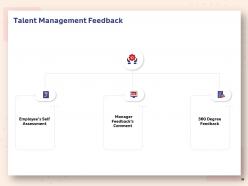
Slide 30: This slide depicts Talent Management Feedback.
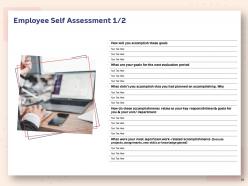
Slide 31: This slide shows Employee Self Assessment.
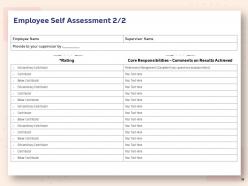
Slide 32: This slide shows Employee Self Assessment.
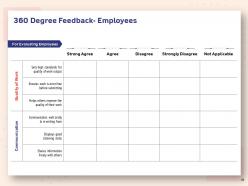
Slide 33: This slide shows 360 Degree Feedback- Employees.
Slide 34: This slide shows 360 Degree Feedback- Managers For Evaluating Managers
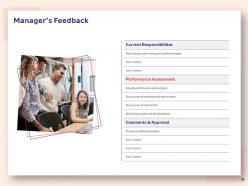
Slide 35: This slide displays Manager’s Feedback.
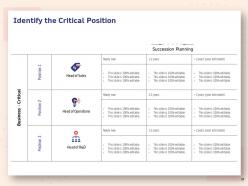
Slide 36: This slide showcases Identify the Critical Position.
Slide 37: This slide showcases Identify the Critical Position.
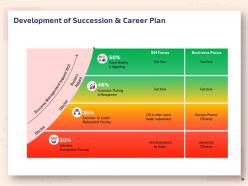
Slide 38: This slide shows Development of Succession & Career Plan
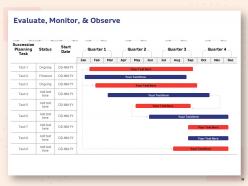
Slide 39: This slide shows Evaluate, Monitor, & Observe
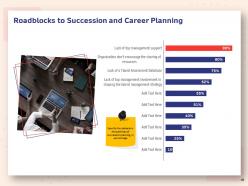
Slide 40: This slide presents Roadblocks to Succession and Career Planning.
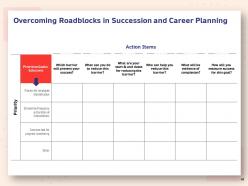
Slide 41: This slide shows Overcoming Roadblocks in Succession and Career Planning.
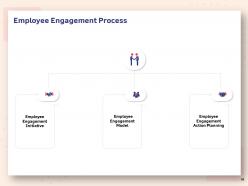
Slide 42: This slide shows Employee Engagement Process.
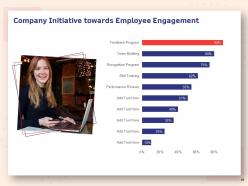
Slide 43: This slide showcases Company Initiative Towards Employee Engagement.
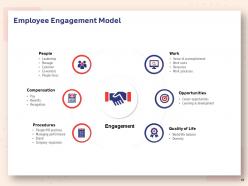
Slide 44: This slide showcases Employee Engagement Model.
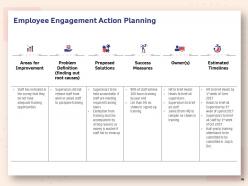
Slide 45: This slide showcases Employee Engagement Action Planning
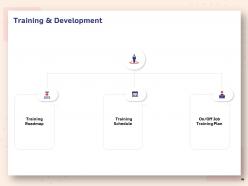
Slide 46: This slide represents Training & Development.
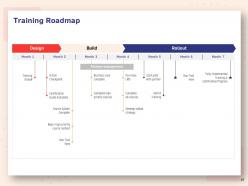
Slide 47: This slide depicts Training Roadmap.
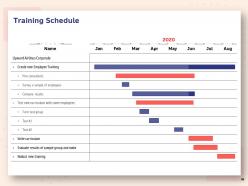
Slide 48: This slide showcases Training Schedule.
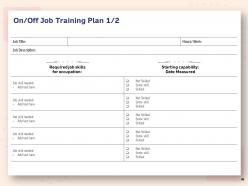
Slide 49: This slide showcases On/Off Job Training Plan.
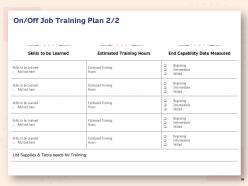
Slide 50: This slide shows On/Off Job Training Plan.
Slide 51: This slide shows KPI Metrics and Dashboard.
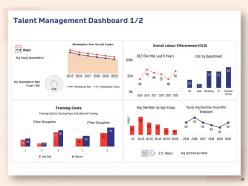
Slide 52: This slide depicts Talent Management Dashboard.
Slide 53: This slide showcases Talent Management Dashboard.
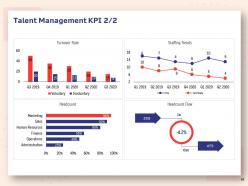
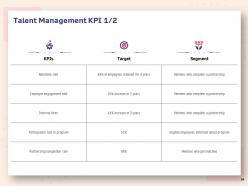
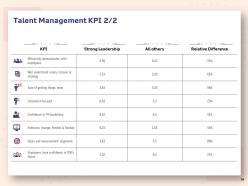
Slide 54: This slide depicts Talent Management KPI.
Slide 55: This slide showcases Talent Management KPI.
Slide 56: This is Human Resource Planning Structure Icons Slide.
Slide 57: This slide reminds of Coffee Break.
Slide 58: This slide is titled as Additional Slides for moving forward.
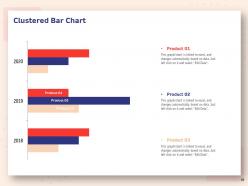
Slide 59: This slide displays Clustered Bar Chart for comparison of products.
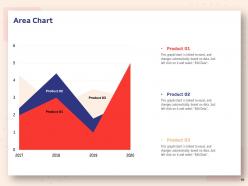
Slide 60: This slide displays Area Chart for comparison of products.
Slide 61: This slide displays Our Mission, Vision and goal.
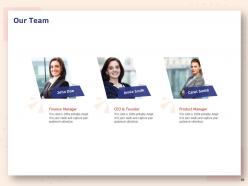
Slide 62: This is Our Team slide with Names and Designations.
Slide 63: This slide displays Magnify Glass for highlighting important content.
Slide 64: This is Thank You slide with Contact details.
Human Resource Planning Structure Powerpoint Presentation Slides with all 64 slides:
Use our Human Resource Planning Structure Powerpoint Presentation Slides to effectively help you save your valuable time. They are readymade to fit into any presentation structure.



FAQs for Human Resource Planning Structure
Honestly, start with a workforce analysis - figure out what talent you actually have right now. Then do demand forecasting to predict what you'll need down the road. Gap identification comes next, obviously. Don't skip succession planning either, that stuff matters more than people think. Budget's huge too since leadership will definitely grill you on costs. I'd also nail down a solid recruitment strategy. The real trick? Making sure your talent pipeline actually matches where the business is headed. Do a skills audit first - what've you got now vs what you'll need in like 12-18 months? Build your action plan after that.
Okay so first thing - grab coffee with your leadership team and nail down what they're actually trying to accomplish in the next 3 years. Once you've got that locked down, work backwards from there. What skills are you missing? Which roles need filling? I always think of it like a jigsaw puzzle, honestly. Look at your current team, spot the gaps, then build your hiring and training plans around those specific business goals. The whole point is connecting every HR move back to something concrete the company's trying to achieve. Don't just hire randomly - make it strategic.
So workforce analytics is like having a crystal ball for HR stuff - you take all that employee data and turn it into something useful. Look for turnover patterns, skill gaps, performance trends. Way better than just winging it with gut instincts (though mine are usually pretty good lol). The numbers show you where to recruit, what training actually moves the needle, which teams need help. I'd say start with whatever metrics tie to your main business goals first, then expand from there. Trust me, it beats scrambling when someone suddenly quits.
Honestly, just work backwards from your goals. Figure out what projects you'll have in the next 6-12 months, then map out what skills you'll actually need. I do this quarterly now because waiting for budget season is stupid. Compare your current team against those future needs - it's basically gap analysis but for humans. Also keep an eye on industry trends because new roles pop up constantly. Like, who knew we'd need TikTok managers five years ago? The trick is making it routine instead of this big annual thing you dread.
So there's a few ways to figure out what skills your team actually has. Start with a basic skills survey - just ask people directly what they're good at and what certifications they have. Performance reviews are super helpful too if you're already tracking that stuff. 360-degree feedback is solid because coworkers notice things people don't always mention about themselves. Gap analysis workshops work well - have teams map out what skills they have versus what they actually need. Honestly, mixing a few of these methods beats just doing one thing. Oh, and the survey's probably your easiest starting point since it's quick to set up.
So demographic shifts basically mess with your entire hiring game. Aging populations, fewer births, people moving around - suddenly your talent pool looks totally different. Most companies don't see it coming until they're scrambling to fill positions. You've got to start tracking these trends way earlier than you think. I learned this the hard way watching my old company panic when half their workforce hit retirement age at once. Build flexible programs now that can roll with whatever demographic curveball comes next. Your future self will thank you.
Ugh, honestly? The worst part is you're basically chasing your own tail. One week you desperately need cybersecurity people, then boom - budget cuts and you're reorganizing everything. My old forecasting spreadsheets are literally useless now because nothing follows the same patterns anymore. Everyone's stressed about layoffs or job changes, so good luck keeping anyone around long enough to actually plan for. I've learned to just build in tons of wiggle room instead of pretending I can predict what'll happen next month. Way less stressful that way.
So succession planning is just one part of HR planning, but they work together differently. HR planning covers everything - like how many people you need, what skills are missing, all that workforce stuff. Succession planning? That's laser-focused on who's going to replace key leaders when they bail or retire. Here's how I think about it: HR planning figures out what talent gaps you have overall. Succession planning identifies who's actually ready to fill those big shoes. Honestly, you can't do one without the other - your hiring strategy needs to know who's already in your pipeline ready to move up.
Ugh, HR planning is such a headache but there are some decent tools that actually help. Workday and BambooHR are pretty comprehensive for workforce stuff. Visier's analytics are solid if you need deeper insights. Honestly though? Don't sleep on Excel - I know it sounds basic but it works great when you're starting out. ADP and SAP SuccessFactors are good too, especially for bigger companies. My advice is to figure out what's driving you crazy first, then demo like 2-3 options that fix those specific problems. No point paying for features you won't use.
Honestly, employee forecasting is a game changer - it stops you from panicking when people randomly quit. Look at your turnover patterns first, then factor in growth plans. You'll catch skill gaps before they bite you, prep for busy seasons, and even notice when jobs might disappear (thanks, automation). The real win though? Building your talent pipeline early since you know what roles you'll need in 6-12 months. Way better than posting desperate job ads at the last minute. My old manager never did this and we were always scrambling to backfill positions.
Honestly, just build it into everything instead of treating it like some side project. Set actual numbers for hiring and promotions - track who's getting promoted at each level and where the gaps are. Your talent pipeline should pull from diverse sources, and promotion criteria shouldn't accidentally favor certain groups (happens more than you'd think). I know it sounds obvious, but make D&I a real business requirement. Oh, and succession planning too - that's huge for long-term representation. Bottom line: don't make it an afterthought.
You'll get way better insights when you loop in different people for HR planning. Department heads know exactly what skills they're missing. Employees? They'll tell you what's really going down - not the sanitized version management thinks is happening. Plus they actually care more when you ask their opinion. Finance keeps you from going crazy with unrealistic budgets, and leadership makes sure you're not planning in a vacuum. Honestly, coordinating everyone is kind of a pain, but it's worth it. Try grabbing 3-4 key people next time and you'll see what I mean.
Look, the job market basically controls everything about hiring. When everyone's fighting over the same skills - like those AI people right now - salaries go crazy and you're stuck waiting forever to fill roles. Economic stuff, demographics, skill gaps... they all mess with your plans. Honestly, it's exhausting trying to keep up sometimes. You've got to watch these trends like a hawk though. Otherwise you'll get blindsided when you suddenly can't afford decent candidates or when that "essential" role becomes impossible to fill. Smart companies adjust their budgets and maybe outsource the really competitive positions.
So you've got a few ways to handle this. Training your current people is usually cheaper than hiring new ones - online courses, targeted programs, whatever fits. Contractors can fill gaps fast while you're building up your team internally. Mentorship programs are actually pretty great for soft skills stuff (I was skeptical at first but they work). For the really critical gaps you can't fix internally, yeah you'll need to hire. Mix quick fixes with longer-term plans. Just figure out which gaps are screwing you over the most right now and start there.
Honestly, quarterly is usually the sweet spot for most companies. But if you're at a startup that's growing like crazy or dealing with seasonal stuff, check monthly instead. Stable companies can probably get away with every 3-6 months - though I'd lean toward quarterly just to be safe. The whole point is not getting caught off guard when someone quits (ugh, the worst). Oh, and any major changes - budget cuts, new product launches, whatever - should trigger an immediate review. Set a recurring calendar reminder or you'll totally forget.
No Reviews