

Guia de Implementação da Metodologia Waterfall em Gerenciamento de Projetos Slides de Apresentação do Powerpoint




Try Before you Buy Download Free Sample Product
 Impress Your
Audience
 100%
Editable
 Save Hours
of Time


A abordagem de gerenciamento de projetos Waterfall envolve a divisão de um projeto em fases sequenciais distintas, onde cada novo estágio começa após a conclusão do anterior. Confira nosso abrangente Guia de Implementação da Metodologia Waterfall na Apresentação em PowerPoint de Gerenciamento de Projetos. Ele apresenta um recurso passo a passo para ajudar os usuários a entender a metodologia Waterfall no gerenciamento de projetos de forma eficaz. Nossa plataforma de gerenciamento de projetos Waterfall cobre aspectos essenciais, incluindo as condições para implementar a metodologia Waterfall, suas vantagens e desvantagens, as fases do modelo Waterfall tradicional e as taxas de sucesso e insucesso associadas a essa abordagem. Além disso, fornece informações valiosas sobre as condições de projeto adequadas em vários setores, a estrutura analítica do projeto para projetos de construção, um plano de ação para implementar o modelo Waterfall e um gráfico mensal de Gantt adaptado explicitamente para projetos de construção. Além disso, nosso modelo Waterfall PPT inclui um modelo baseado em coorte e uma linha do tempo de pista de natação projetada para implementar a abordagem Waterfall em projetos de marketing. Por fim, oferece uma análise estatística dos modelos de desenvolvimento de software, identifica as condições adequadas para empregar a metodologia Waterfall no desenvolvimento de software e inclui um cronograma mensal para o processo de desenvolvimento de software. Obtenha acesso a este modelo 100% editável agora.
People who downloaded this PowerPoint presentation also viewed the following :
Conteúdo desta apresentação em Powerpoint
Slide 1 : Este slide apresenta o guia de implementação da metodologia cascata no gerenciamento de projetos. Comece informando o nome da sua empresa.
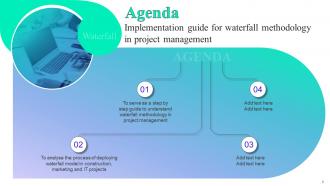
Slide 2 : Este slide descreve a Agenda da apresentação.
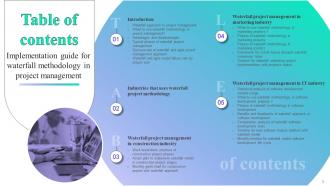
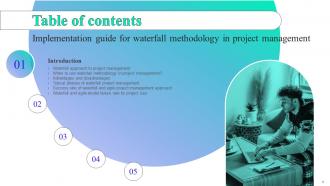
Slide 3 : Este slide inclui o sumário.
Slide 4 : Este slide destaca o título dos tópicos a serem discutidos posteriormente.
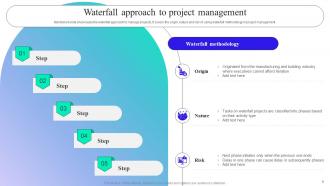
Slide 5 : O slide mencionado mostra a abordagem em cascata para gerenciar projetos.
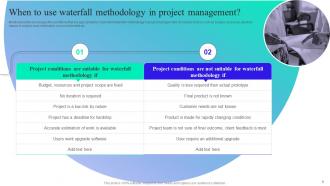
Slide 6 : Este slide apresenta Quando usar a metodologia cascata no gerenciamento de projetos.
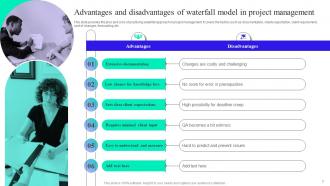
Slide 7 : Este slide mostra as vantagens e desvantagens do modelo em cascata no gerenciamento de projetos.
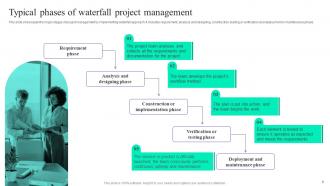
Slide 8 : Este slide apresenta as fases típicas do gerenciamento de projetos em cascata.
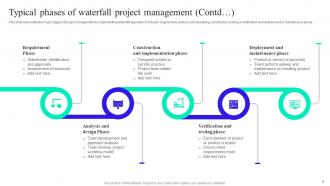
Slide 9 : Este slide continua as fases típicas do gerenciamento de projetos em cascata.
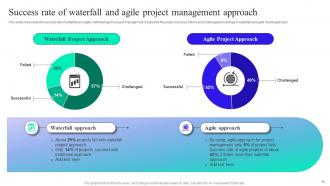
Slide 10 : Este slide mostra a taxa de sucesso da metodologia cascata e ágil para gerenciamento de projetos.
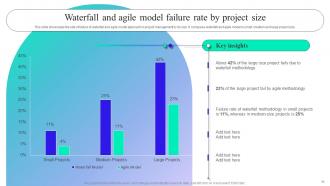
Slide 11 : Este slide destaca a taxa de falha do modelo Waterfall e ágil por tamanho do projeto.
Slide 12 : Este slide indica o Título do Conteúdo a ser abordado a seguir.
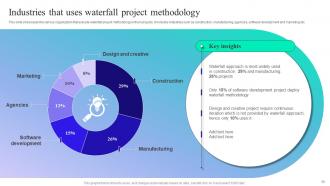
Slide 13 : Este slide classifica as várias organizações que executam a metodologia de projeto em cascata em seus projetos.
Slide 14 : Este slide inclui o título das ideias a serem discutidas posteriormente.
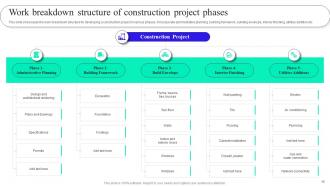
Slide 15 : Este slide mostra a estrutura analítica do projeto para o desenvolvimento de um projeto de construção em várias fases.
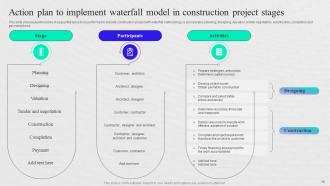
Slide 16 : Este slide revela a série de tarefas sequenciais a serem executadas para executar o projeto de construção com metodologia cascata.
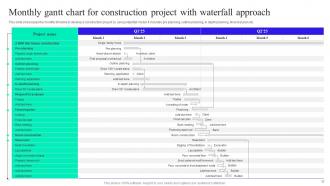
Slide 17 : Este slide destaca o gráfico de Gantt mensal para o projeto de construção com abordagem em cascata.
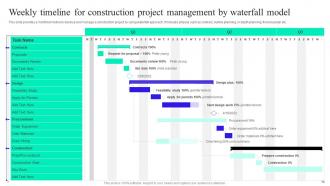
Slide 18 : Este slide retrata a linha do tempo semanal para gerenciamento de projetos de construção por modelo em cascata.
Slide 19 : Este slide inclui o título das ideias a serem abordadas a seguir.
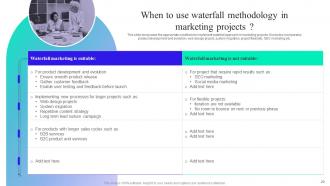
Slide 20 : Este slide mostra as condições apropriadas para implementar a abordagem em cascata em projetos de marketing.
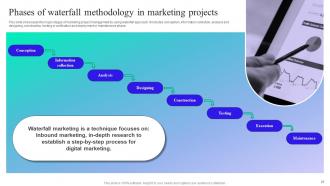
Slide 21 : Este slide apresenta as fases da metodologia cascata em projetos de marketing.
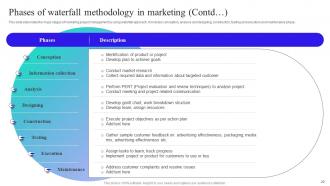
Slide 22 : Este slide dá continuidade às fases da metodologia cascata em marketing.
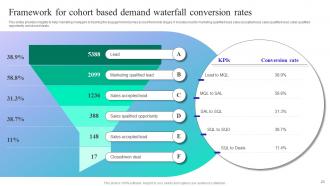
Slide 23 : Este slide exibe a estrutura para taxas de conversão em cascata de demanda com base em coorte.
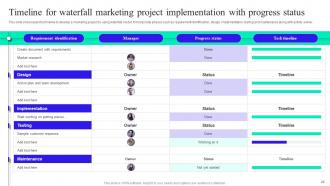
Slide 24 : Este slide apresenta a linha do tempo para a implementação do projeto de marketing cascata com status de progresso.
Slide 25 : Este slide contém o título dos tópicos a serem discutidos posteriormente.
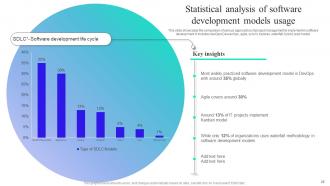
Slide 26 : Este slide representa a análise estatística do uso de modelos de desenvolvimento de software.
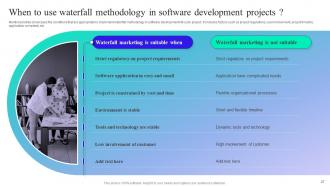
Slide 27 : Este slide trata de Quando usar a metodologia cascata em projetos de desenvolvimento de software.
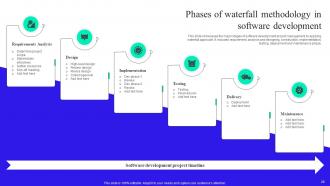
Slide 28 : Este slide exibe a metodologia de fases da cascata no desenvolvimento de software.
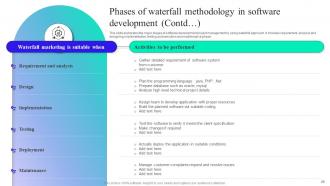
Slide 29 : Este slide dá continuidade às fases da metodologia em cascata no desenvolvimento de software.
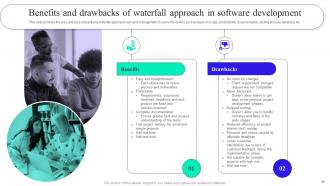
Slide 30 : Este slide apresenta os benefícios e as desvantagens da abordagem em cascata no desenvolvimento de software.
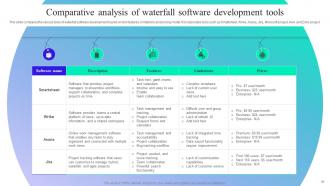
Slide 31 : Este slide mostra a análise comparativa das ferramentas de desenvolvimento de software em cascata.
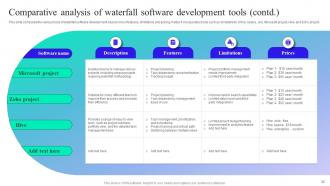
Slide 32 : Este slide continua a análise comparativa das ferramentas de desenvolvimento de software em cascata.
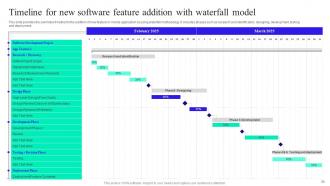
Slide 33 : Este slide descreve a linha do tempo para a adição de novos recursos de software com o modelo em cascata.
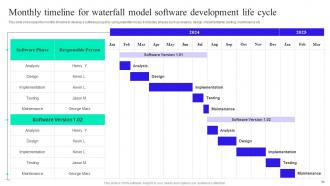
Slide 34 : Este slide retrata o cronograma mensal para desenvolver um projeto de software usando o modelo em cascata.
Slide 35 : Este é o slide dos Ícones contendo todos os Ícones usados no plano.
Slide 36 : Este slide é usado para representar algumas informações adicionais.
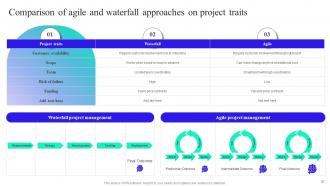
Slide 37 : Este slide descreve a Comparação das abordagens ágil e em cascata nas características do projeto.
Slide 38 : Este é o slide da nossa equipe. Indique as informações relacionadas à sua equipe aqui.
Slide 39 : Este é o nosso slide de missão para destacar a Visão, Missão e Objetivo da empresa.
Slide 40 : Este é o nosso slide de meta para declarar as metas organizacionais.
Slide 41 : Este é o slide de geração de ideias para incentivar novas ideias.
Slide 42 : Este slide contém os post it para lembretes e prazos.
Slide 43 : Este slide exibe a análise SWOT.
Slide 44 : Este slide é usado para fins de comparação.
Slide 45 : Este é o slide de agradecimento pelo reconhecimento.
Guia de implementação para a metodologia Waterfall em slides de apresentação do Powerpoint de gerenciamento de projetos com todos os 52 slides:
Use nosso Guia de Implementação para a Metodologia Cascata nos Slides de Apresentação do Powerpoint de Gerenciamento de Projetos para ajudá-lo a economizar seu valioso tempo. Eles estão prontos para caber em qualquer estrutura de apresentação.





FAQs for Implementation Guide For Waterfall Methodology In Project Management
Okay so Waterfall has five phases that happen one after another: Requirements (figuring out what you're building), Design (planning the architecture), Implementation (the actual coding part), Testing (bug hunting), and Deployment/Maintenance (going live plus ongoing support). It's super rigid compared to Agile. Once you finish a phase, there's basically no going back - which honestly can be pretty stressful. Each phase needs deliverables and sign-offs before you move forward. Changes get way more expensive as you progress, so you better nail those requirements from the start or you'll regret it later.
So waterfall is super linear - you can't move to the next step until you're totally done with the current one. Requirements first, then design, build, test. Done. Agile's the opposite - short sprints where you're constantly tweaking things based on feedback. Honestly, waterfall only makes sense when you know exactly what you want and it won't change (rare these days). Agile lets you pivot when - not if - things shift. If stakeholders will be involved throughout or requirements might evolve, go agile for sure.
Honestly, Waterfall's biggest win is the structure - everything's mapped out upfront so there's no guessing what comes next. Your budget stays predictable since you plan it all beforehand. Documentation is thorough, which stakeholders seem to eat up. Each phase has clear milestones and deliverables. Works best when requirements won't change much (think regulatory stuff or construction). The predictability can be really reassuring on complex projects. Sure, it's not trendy anymore, but sometimes you need that rigid framework. Plus everyone knows exactly what they're supposed to deliver and when.
Waterfall's perfect for stuff with rock-solid requirements that won't change - like compliance systems or manufacturing. Government contracts love it because of all the documentation. Construction projects too, obviously. Honestly, it's pretty rigid for most software work these days, but if stakeholders know exactly what they want upfront? It can work. Industries like aerospace and medical devices stick with it because there's zero room for "oops we changed our minds." You need predictable outcomes and clients who won't send change requests every week. If your project scope is locked down tight, maybe give it a shot.
Honestly, Waterfall's biggest problem is you're stuck with whatever requirements you start with. Changes later? Good luck - they'll cost you big time. Plus you won't actually see working software until super late, which is terrifying if something's off. Testing gets pushed to the end too, so bugs just pile up instead of getting fixed as you go. The whole thing assumes projects follow a neat little path, but that's not reality at all. If you're forced to use it anyway, maybe try scheduling regular check-ins with stakeholders - at least then you might catch disasters before they explode.
Make templates for each phase and don't let people move forward without filling them out completely. Trust me on this one - skipping docs will screw you over later. Get your stakeholders to review stuff regularly so you catch missing pieces early. Also, ditch the Word doc ping-pong and use something collaborative where everyone can jump in at once. Oh, and assign specific people to own different sections - otherwise it becomes nobody's job. Build doc time into your actual project timeline instead of cramming it in at the end. Make it part of your exit criteria for each phase.
So with Waterfall, you basically get two shots at customer feedback - right at the start when you're gathering requirements, and then boom, at the very end when you deliver. That's it. Your team collects everything upfront, documents it all, then disappears into development mode for months. Honestly, it can get pretty stressful not knowing if you're still on track. The big moment of truth comes when you finally show them the finished product. Those initial requirement sessions better be rock solid though - I've seen projects go sideways when changes pop up later because they're a nightmare to handle.
Yeah, Waterfall can work but honestly it's pretty outdated these days. Basically you do everything in order - requirements, design, coding, testing, deployment - and you can't go backwards once you finish a phase. Works okay if your requirements are rock solid and won't change, like regulatory stuff or really rigid systems. But here's the thing - once you start coding, there's zero wiggle room. I've seen projects crash because stakeholders changed their minds halfway through (they always do). If you're thinking about it, just make sure those requirements are bulletproof first.
Honestly, it's all about flipping how your team thinks - from that "figure it out as we go" mindset to having everything mapped out first. Yeah, I know it feels weird after being so used to Agile's flexibility! But waterfall needs way more upfront planning and documentation than you're probably comfortable with. No more "we'll tackle that next sprint" - you gotta lock down requirements early. Train your people on detailed project planning and set up those phase gates. Oh, and definitely explain WHY you're making this shift. Otherwise they'll think you've lost your mind going backward!
So with Waterfall, you basically do all your risk planning upfront - figure out what could go wrong, make your backup plans, then cross your fingers nothing changes. Agile's totally different though. You're dealing with new risks constantly as they come up. Honestly, Waterfall works if your project's pretty straightforward, but it gets sketchy with complex stuff since you can't really pivot easily. The whole approach assumes you can predict everything from day one, which... good luck with that! If you're stuck doing Waterfall anyway, definitely pad your timeline. You'll need it.
So most teams I've seen go with MS Project - it's kind of the old reliable for waterfall since it handles all those sequential phases really well. Jira and Azure DevOps are solid for requirements tracking. Gantt charts in Smartsheet or Asana work too. Honestly, waterfall projects can get crazy diagram-heavy, so don't be surprised if you end up using Visio for flowcharts and process docs. Confluence is great for keeping all your documentation organized as you move through each phase. The real trick is finding something that tracks dependencies between phases properly. I'd honestly just start with whatever licenses your company already has - no point reinventing the wheel.
Waterfall's pretty straightforward - did you hit scope, budget, and timeline? That's basically it. Quality stuff matters too, like how many bugs you ended up with and whether the final product actually does what it's supposed to. Stakeholder happiness is key obviously. The whole thing's way more black and white than Agile, which honestly makes it easier to measure in some ways. Oh, and track how smoothly you moved between phases - lots of rework usually means something went wrong. Set your success criteria early though, so there's no confusion about what you're aiming for.
Yeah, requirements gathering in Waterfall is make-or-break stuff. Once you're past that phase, going back is a nightmare - like realizing you need more outlets after the walls are already up. The whole thing depends on getting everything locked down upfront since it's so linear. Spend serious time with your stakeholders now drilling into details. Document everything you can think of, even the obvious stuff. Trust me, what seems "obvious" today won't be in six months when you're deep in development. Those extra hours of planning will save you weeks of headaches later.
Honestly, scope changes are Waterfall's worst nightmare. The whole thing is built around having your requirements locked down from day one. So when changes pop up mid-project, you're basically screwed - might have to redo documentation, scrap testing plans, even throw out finished code. Going backwards through those rigid phases gets crazy expensive fast. It's kinda like renovating your kitchen after the house is done, you know? Waterfall really only makes sense when you're 100% sure requirements won't shift. Otherwise you'll just hate yourself later. Maybe look into Agile instead?
NASA's Apollo missions are the classic example - you literally can't iterate when people's lives are on the line in space. Big construction projects work the same way, like the Sydney Opera House. Banks use it for enterprise software rollouts, and healthcare loves it for compliance stuff since regulations are so rigid. Boeing does this with aircraft development too, which honestly makes sense given the stakes. The common thread? Fixed requirements and zero tolerance for the whole "move fast and break things" approach. If your project has strict constraints and can't afford surprises, Waterfall's probably your friend.
-
Spacious slides, just right to include text. SlideTeam has also helped us focus on the most important points that need to be highlighted for our clients.
-
Use of icon with content is very relateable, informative and appealing.