

Implementing AI In Business Branding And Finance Powerpoint Presentation Slides




Try Before you Buy Download Free Sample Product
 Impress Your
 Audience
 100%
100% Editable
 Save Hours
 of Time


Artificial Intelligence is intelligence demonstrated by machines instead of humans and is a growing force in the technology industry. AI devices can recognize the environment and take action that maximizes the chances of successfully achieving the companys goals. Check out our efficiently designed Implementing AI in Business, Branding, and Finance template. It is going to have a transformational impact on business. We have covered the current state analysis wherein the current challenges faced by the company, the need for AI in business, and the AI competitive landscape are analyzed. We have also covered AI in branding, wherein company brand value has been evaluated over time, the need for AI in brand management, and how AI can grow a business brand. Different brand management AI tools such as analytics, content and optimization, customer service, social media management, and workflow automation have been depicted here. We have also discussed AI in finance, wherein the need for AI for financial activities and ways AI will transform the finance department is focused. Different management systems like cloud based ERP and treasury management systems will be introduced in the business. Get access now.
People who downloaded this PowerPoint presentation also viewed the following :
Content of this Powerpoint Presentation
Slide 1: This slide displays title i.e. 'Implementing AI in Business, Branding and Finance'.
Slide 2: This slide presents agenda.
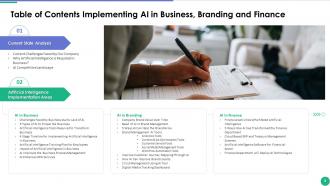
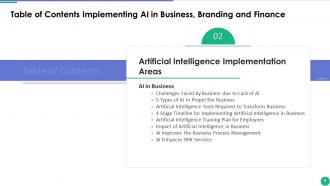
Slide 3: This slide exhibits table of contents.
Slide 4: This slide depicts title for four topics that are to be covered next in the template.
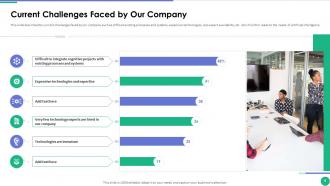
Slide 5: This slide describes the current challenges faced by our company such as difficult existing processes and systems, expensive technologies, etc.
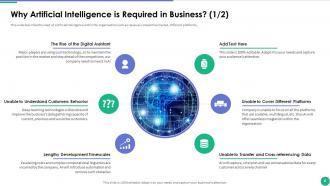
Slide 6: This slide describes the need of artificial intelligence within the organization such as issues as competitive market, different platforms.
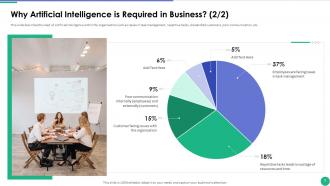
Slide 7: This slide describes the need of artificial intelligence within the organization such as issues in task management, repetitive tasks, etc.
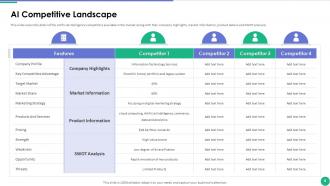
Slide 8: This slide covers the detail of the artificial intelligence competitors available in the market along with their company highlights.
Slide 9: This slide depicts title for eleven topics that are to be covered next in the template.
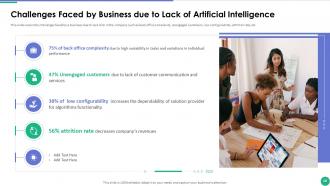
Slide 10: This slide covers the challenges faced by a business due to lack of AI in the company such as back office complexity, etc.
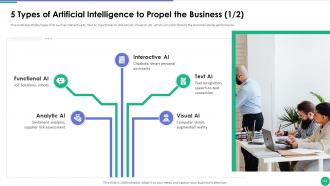
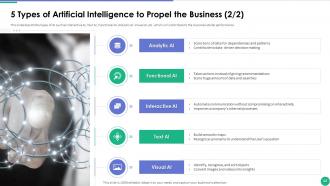
Slide 11: This slide depicts the types of AI such as interactive AI, Text AI, Functional AI, Analytic AI, Visual AI, etc.
Slide 12: This slide depicts the types of AI such as interactive AI, Text AI, Functional AI, Analytic AI, Visual AI, etc.
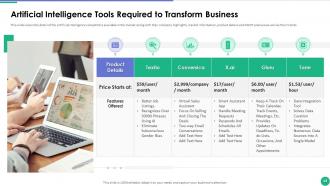
Slide 13: This slide covers the detail of the artificial intelligence competitors available in the market along with their company highlights, etc.
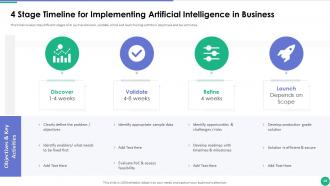
Slide 14: This timeline describes different stages of AI such as discover, validate, refine and launch along with their objectives and key activities.
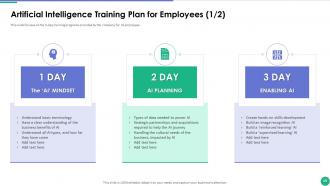
Slide 15: This slide focuses on the 3-day training programs provided by the company for its employees.
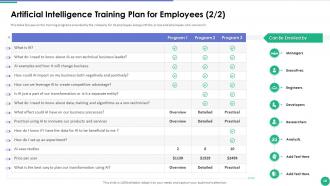
Slide 16: This table focuses on the training programs provided by the company for its employees along with the prices and employees who can enroll.
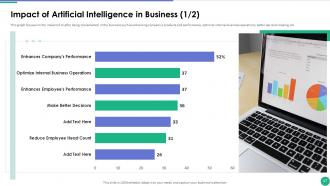
Slide 17: This graph focuses on the impact of AI after being implemented in the business such as enhancing company’s products and performance.
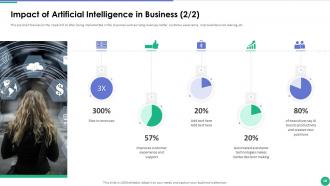
Slide 18: This pie chart focuses on the impact of AI after being implemented in the business such as rising revenues, better customer experience, etc.
Slide 19: This slide covers the detail of the artificial intelligence competitors available in the market along with their company highlights, etc.
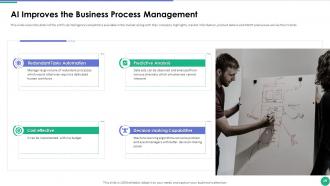
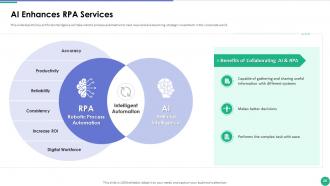
Slide 20: This slide depicts how artificial intelligence will take robotic process automation to next level.
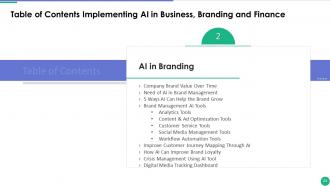
Slide 21: This slide depicts title for thirteen topics that are to be covered next in the template.
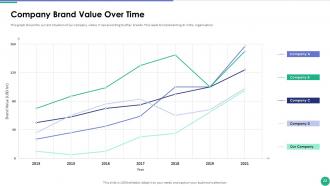
Slide 22: This graph shows the current situation of our company, where it lies according to other brands.
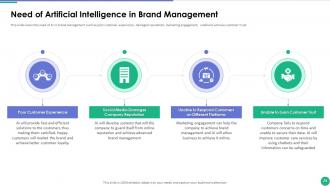
Slide 23: This slide covers the need of AI in brand management such as poor customer experience, damaged reputation, marketing engagement, etc.
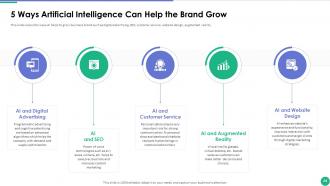
Slide 24: This slide covers the ways AI helps to grow business brand such as digital advertising, SEO, customer service, website design, augmented reality.
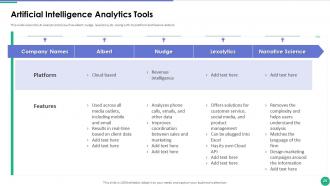
Slide 25: This slide covers the AI analytics tools such as albert, nudge, lexalytics, etc. along with its platform and feature details.
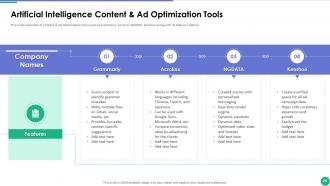
Slide 26: This slide covers the AI Content & Ad Optimization tools such as Grammarly, acrolinx, NGDATA, kenshoo along with its feature’s details.
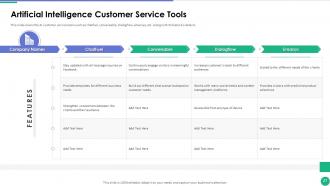
Slide 27: This slide covers the AI customer service tools such as chatfuel, conversable, dialogflow, emarsys, etc. along with its feature's details.
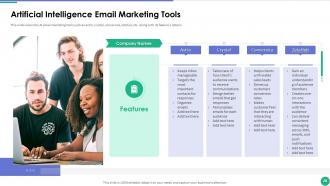
Slide 28: This slide covers the AI email marketing tools such as astro, crystal, conversica, zetahus, etc. along with its feature's details.
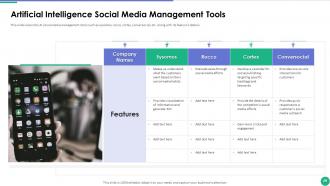
Slide 29: This slide covers the AI social media management tools such as sysomos, rocco, cortex, conversocial, etc. along with its feature's details.
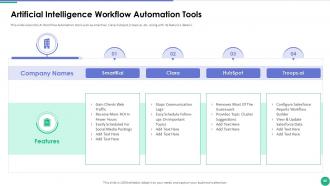
Slide 30: This slide covers the AI Workflow Automation tools such as smart kai, clara, hubspot, troops.ai, etc. along with its feature's details.
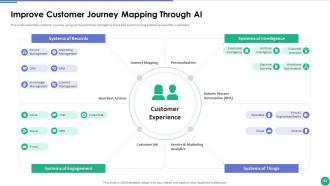
Slide 31: This slide covers the customer journey using various artificial intelligence tools and synchronizing systems around the customers.
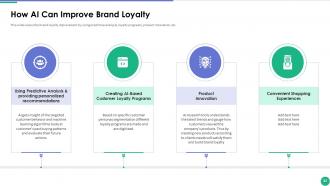
Slide 32: This slide covers the brand loyalty improvement by using predictive analysis, loyalty programs, product innovation, etc.
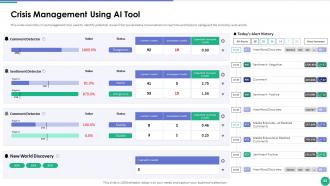
Slide 33: This slide covers the crisis management tool used to identify potential issues from social media conversations in real time.
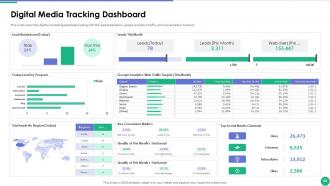
Slide 34: This slide covers the digital marketing dashboard along with the lead breakdown, google analytics traffic, and social media channels.
Slide 35: This slide depicts title for five topics that are to be covered next in the template.
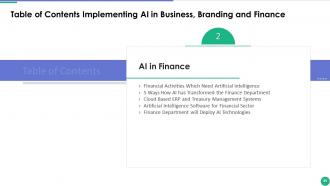
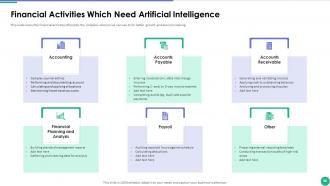
Slide 36: This slide covers the financial activities offered by the company wherein we can use AI for better growth and decision making.
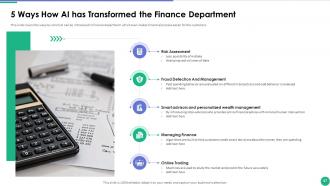
Slide 37: This slide covers the ways by which AI can be introduced in finance department which even makes financial process easier for the customers.
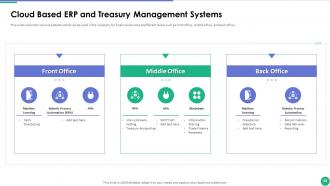
Slide 38: This slide covers the various systems which can be used in the company for financial services at different levels.
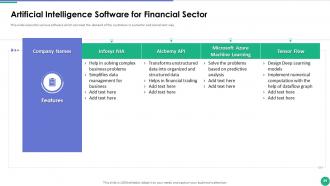
Slide 39: This slide covers the various software which can meet the demand of the customers in a smarter and convenient way.
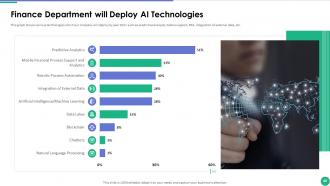
Slide 40: This graph shows various technologies which our company will deploy by year 2021 such as predictive analysis, mobile support, RPA, etc.
Slide 41: This slide presents title for additional slides.
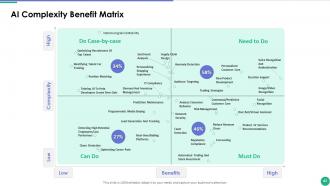
Slide 42: This slide illustrates AI Complexity Benefit Matrix.
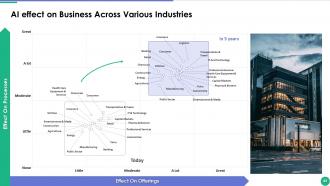
Slide 43: This slide highlights AI effect on Business Across Various Industries.
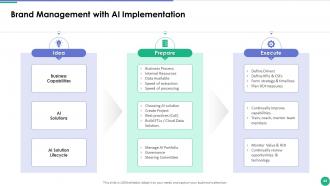
Slide 44: This slide shows Brand Management with AI Implementation.
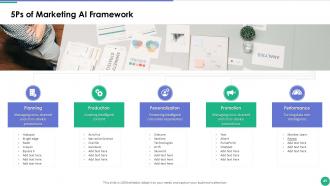
Slide 45: This slide exhibits 5Ps of Marketing AI Framework.
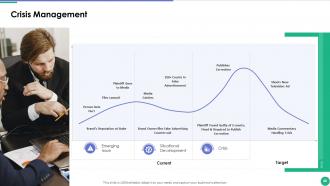
Slide 46: This slide presents Crisis Management.
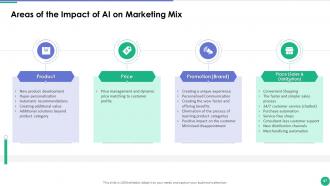
Slide 47: This slide displays Areas of the Impact of AI on Marketing Mix.
Slide 48: This is the icons slide.
Slide 49: This slide shows details of team members like name, designation, etc.
Slide 50: This slide depicts 30-60-90 days plan for projects.
Slide 51: This slide displays puzzle.
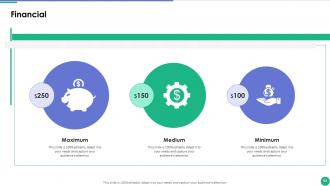
Slide 52: This slide showcases financials.
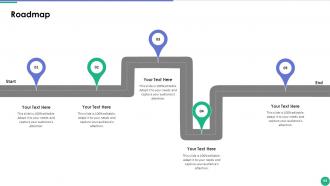
Slide 53: This slide shows roadmap.
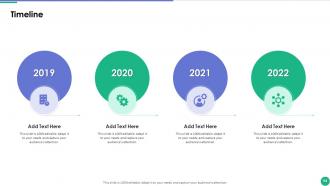
Slide 54: This slide exhibits yearly timeline.
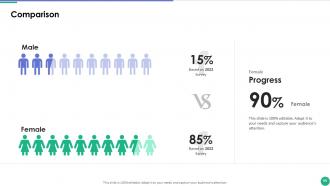
Slide 55: This slide highlights comparison of products based on selects.
Slide 56: This slide displays Venn.
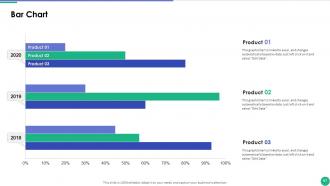
Slide 57: This slide exhibits yearly bar charts for different products. The charts are linked to Excel.
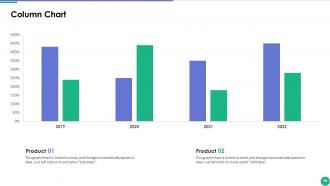
Slide 58: This slide exhibits yearly column charts for different products. The charts are linked to Excel.
Slide 59: This is thank you slide & contains contact details of company like office address, phone no., etc.
Implementing AI In Business Branding And Finance Powerpoint Presentation Slides with all 64 slides:
Use our Implementing AI In Business Branding And Finance Powerpoint Presentation Slides to effectively help you save your valuable time. They are readymade to fit into any presentation structure.







FAQs for Implementing AI In Business Branding And Finance
So AI lets you get super specific with each customer instead of blasting everyone with the same stuff. You can dig into their data and personalize literally everything - email subject lines, what products you show them, even the website content changes in real-time. Honestly, it's kinda crazy how detailed it gets. Like someone who bought running shoes might see totally different homepage banners than someone browsing kitchen gadgets. The system figures out what clicks with different people and tweaks your messages automatically. I'd start with personalized emails first, then maybe try dynamic website stuff once you get the hang of it.
Okay so basically these algorithms gobble up tons of customer info - what people buy, how they browse, demographics, even social media stuff. Pretty wild how they spot patterns in behavior and preferences. They'll predict your next purchase, whether you're about to bail on a service, how you'll react to ads. Honestly the accuracy is kinda creepy sometimes! Past behavior helps them forecast what's coming next. Companies use this for everything from suggesting products to setting prices. Oh and definitely start with good first-party data - that's like your baseline for making any decent predictions work.
Dude, AI analytics basically shows you where your marketing budget is actually working instead of throwing money into the void. Real-time data tells you which campaigns and ad creatives drive conversions. Then you can ditch the crappy performers and pump more into what's killing it. The tracking gets pretty wild - it follows customer journeys and predicts who's gonna convert. You'll catch seasonal patterns you'd never spot otherwise. Honestly feels like cheating sometimes lol. Just connect your ad platforms to an AI tool and let it run for a month. The patterns will blow your mind.
So chatbots are pretty much like having someone working customer service around the clock. They handle basic questions right away and can pull up customer history to make things personal. People actually prefer them over waiting on hold for 20 minutes - I get it, honestly. You can set them up to remember what customers like, recommend products, and collect feedback too. Just make sure yours doesn't sound robotic and can hand things off to real people when stuff gets complicated. I'd start with simple FAQ responses first, then you'll get a feel for adding more personality later.
For brand sentiment stuff, Brandwatch is probably your best bet - covers the most platforms and actually catches sarcasm and context, not just basic keywords. Hootsuite Insights and Sprout Social are solid too. I've watched teams burn through weeks using crappy tools that miss everything important. If budget's tight, Mention or Brand24 work fine to start. The good ones track emoji usage and sentiment over time, which is honestly pretty cool. I'd just grab Brandwatch's free trial first since you can actually make decisions from their data.
So here's the thing - AI can dig through all your customer data and figure out what emotional stuff actually hits with your audience. No more throwing spaghetti at the wall to see what sticks. It'll analyze social media comments, reviews, market trends, all that good stuff to find story angles that work. You can even A/B test different versions before going all-in on a campaign, which honestly saves so much time and budget. Oh, and start by just dumping your existing customer data into one of those AI storytelling tools - you'd be surprised what patterns pop up that you totally missed before.
Honestly, just be upfront about using AI - people get pissed when they figure it out later. Double-check everything for biases too, especially around race or gender stuff. I've watched brands get absolutely destroyed on Twitter for putting out tone-deaf AI content that nobody bothered reviewing. Oh, and if you're pulling customer data for personalization, think about privacy implications. Don't let it completely take over your brand voice either - you still want things to feel authentically you, not like every other company using the same tools. Maybe add some AI disclosure rules to your brand guidelines?
Dude, AI forecasting is actually a game-changer for this stuff. You get way better predictions on cash flow and revenue trends, so your brand decisions aren't just random guesses anymore. Want to launch that new product? The data tells you exactly when to do it and how much to budget. I mean, it's basically like having a crystal ball that doesn't totally suck. You'll spot financial problems months before they hit and can adjust your strategy early. Oh and your competitors? They're still flying blind while you're already three steps ahead.
Look, AI during a financial crisis? Super helpful but you gotta be smart about it. It's amazing for tracking what people are saying about your brand online and catching problems early. Plus you can respond way faster than competitors stuck doing everything by hand. But honestly, customers can tell when they're getting some generic bot response - especially when they're already freaking out about money. My take? Use AI for the boring stuff like monitoring and pulling together data, maybe even drafting responses. Just don't let it actually send anything without a human double-checking first. People need to feel heard by actual humans when times get tough.
So AI can crunch through tons of market data instantly - competitor prices, how customers are behaving, seasonal stuff, you name it. It'll spot patterns you'd never catch manually. You can set up algorithms to suggest price tweaks when things shift, or go full dynamic pricing that changes throughout the day. Honestly, it beats the hell out of those quarterly pricing meetings we all dread. I'd start small though - test it on maybe 10-20% of your products first. See how it performs before going all-in. The real-time adjustment thing is pretty game-changing once you get it dialed in.
Honestly, AI just does all that boring spreadsheet work for you. It pulls data from your campaigns, sales stuff, and budget tools automatically - no more manual updates (seriously, who has time?). You get instant ROI numbers and spending breakdowns by channel. Plus it actually catches weird spending patterns before they blow up your budget, which is pretty clutch. The reports happen in real-time too. Just connect your current tools to an AI platform and you're set. Trust me, once you try it you'll never want to go back to doing brand budgets the old way.
So NLP is basically what makes customer service chatbots not completely suck. Your team can handle way more conversations because the AI actually gets what people are saying - context, tone, even when someone's being sarcastic (which honestly happens more than you'd think). It sorts tickets automatically and suggests replies to your agents. The simple questions get handled without human help, so your people can focus on the tricky stuff. Best part? It learns as it goes. I'd start by looking at your most frequent customer questions - that's where you'll see the biggest difference once you get NLP running.
Your brand stays way more consistent when AI handles the heavy lifting across all your channels. It picks up on stuff we'd never catch - like when your Instagram tone doesn't match your email campaigns. The tech learns your voice, colors, messaging style, then keeps everything in line automatically. Honestly? It's kind of scary how good it gets at mimicking your brand voice. Way better than trying to manually check every single post and email (who has time for that anyway). I'd start with your biggest channels first - maybe Instagram, email, and Facebook - then add more once you see how it works.
So basically AI can dig through all your customer data and find patterns you'd never catch - like who buys what, when they're most likely to splurge, that kind of stuff. Machine learning lets you group customers by how profitable they are and predict future big spenders. Honestly, the accuracy is wild once you get it dialed in. You'll want to feed it everything though - website clicks, social media, purchases, even support conversations. Oh and definitely start with scoring algorithms that rank your prospects. That way you're not wasting ad spend on people who'll never convert. Game changer for sure.
Honestly, AI personalization is getting crazy good - like Netflix recommendations but for everything your brand does. Predictive analytics are way more accurate now too, sometimes better than actual analysts which is wild. The finance stuff is solid - fraud detection and automated forecasting are pretty much must-haves at this point. But here's the thing, don't try to do it all at once. Pick one thing first, maybe customer segmentation or just categorizing expenses. AI works better when it's woven into what you're already using rather than some fancy standalone thing. Start small and you won't hate yourself later.
-
Love the template collection they have! I have prepared for my meetings much faster without worrying about designing a whole presentation from scratch.
-
Best Representation of topics, really appreciable.