

Insurance Process Powerpoint PPT Template Bundles




Try Before you Buy Download Free Sample Product
 Impress Your
 Audience
 100%
100% Editable
 Save Hours
 of Time


Our Insurance Process Powerpoint PPT Template Bundles are topically designed to provide an attractive backdrop to any subject. Use them to look like a presentation pro.
People who downloaded this PowerPoint presentation also viewed the following :
Insurance Process Powerpoint PPT Template Bundles with all 17 slides:
Use our Insurance Process Powerpoint PPT Template Bundles to effectively help you save your valuable time. They are readymade to fit into any presentation structure.






FAQs for Insurance Process Powerpoint
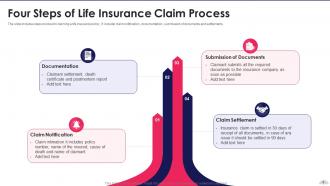
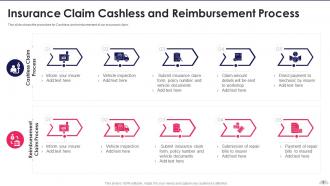
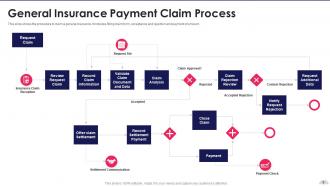
The insurance claims process involves filing a claim notification, conducting damage assessment and investigation, document verification and evidence collection, claims adjuster evaluation, and settlement determination. Through digital platforms and AI-powered systems, insurers streamline these steps by automating documentation, accelerating damage assessments, and enhancing fraud detection, ultimately delivering faster claim resolutions and improved customer experiences.
Policyholders can effectively document incidents by immediately photographing damage from multiple angles, collecting witness contact information, filing police reports when applicable, and maintaining detailed written records with dates and circumstances. These comprehensive documentation practices streamline claims processing by providing insurers with clear evidence, reducing investigation time, and ultimately delivering faster claim resolutions and improved customer experiences across various insurance sectors.
Insurance adjusters investigate, evaluate, and determine settlement amounts for insurance claims by examining damage, reviewing policy coverage, interviewing involved parties, and assessing liability. These professionals streamline the claims process by conducting thorough investigations, negotiating fair settlements, and ensuring accurate payouts, with many insurance companies finding that experienced adjusters significantly reduce processing time while maintaining claim accuracy.
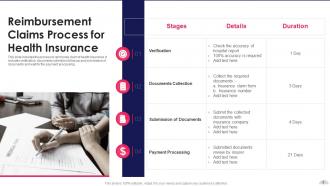
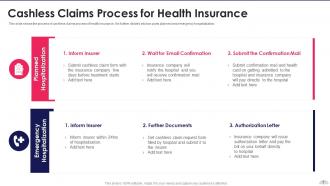
Different insurance types create distinct claims processes through varying documentation requirements, assessment methods, and regulatory frameworks, with health insurance requiring medical records and prior authorizations, auto insurance involving accident reports and vehicle inspections, and home insurance needing property damage assessments. These specialized approaches enable insurers to streamline evaluations specific to each risk category, ultimately delivering faster claim resolutions and more accurate settlements across sectors.
Common pitfalls include incomplete documentation, delayed claim reporting, inadequate coverage understanding, poor communication with adjusters, and insufficient evidence collection. These challenges often result from complex policy language, tight reporting deadlines, and unfamiliarity with claim procedures, with many policyholders finding that proactive preparation and clear documentation significantly streamline the process and improve settlement outcomes.
The underwriting process significantly influences customer satisfaction, policy pricing, and claim outcomes by determining risk assessment accuracy, coverage terms, and premium calculations. Through automated underwriting systems and data analytics, insurers streamline application reviews, reduce processing times, and enhance risk prediction, ultimately delivering faster policy approvals and more competitive pricing while improving overall customer experiences.
Insurers can streamline claims processing through automated workflow systems, AI-powered damage assessment, digital document submission platforms, real-time fraud detection algorithms, and integrated customer communication tools. These technologies enhance operational efficiency by reducing manual reviews, accelerating damage evaluations, and minimizing processing times, with many insurance companies finding that automation delivers faster claim resolutions and improved customer satisfaction.
Legal requirements for insurance claims vary significantly across jurisdictions but typically include timely notification, comprehensive documentation, sworn statements, cooperation with investigations, and adherence to specific filing deadlines. While regulatory frameworks differ between states and countries, most require policyholders to provide detailed loss documentation and maintain transparency throughout the process, with many insurers streamlining compliance through digital platforms that automatically capture required information and ensure jurisdictional adherence.
Technology enhances insurance claims efficiency through automated damage assessment, AI-powered fraud detection, digital document processing, and real-time customer communication platforms. These solutions streamline operations by reducing manual reviews, accelerating claim approvals, and minimizing processing times, with many insurers finding that automated systems deliver faster settlements and improved customer satisfaction while significantly reducing operational costs.
Customer service practices significantly influence policyholder satisfaction by determining response times, communication clarity, and resolution efficiency throughout the claims process. Quality service practices, including proactive updates, empathetic handling, and streamlined documentation processes, enhance trust and retention, with many insurers finding that superior customer experiences during stressful claim periods ultimately drive competitive advantage and long-term loyalty.
Subrogation allows insurance companies to recover claim payments from responsible third parties after compensating their policyholders for covered losses. Through this legal process, insurers pursue reimbursement from at-fault drivers in auto accidents, negligent contractors in property damage cases, and other liable parties, ultimately keeping premiums lower while ensuring policyholders receive prompt claim settlements without waiting for lengthy liability disputes.
Best practices for communicating with insurers include maintaining detailed documentation, submitting complete claim forms promptly, providing clear photographic evidence, responding quickly to requests, and keeping organized records of all correspondence. These approaches streamline the claims process by reducing delays, minimizing disputes, and ensuring accurate assessments, with many policyholders finding that proactive communication significantly accelerates settlements and enhances overall claim outcomes.
Insurance companies can use data analytics to improve claims handling through predictive modeling, automated fraud detection, risk assessment algorithms, and real-time processing systems. These technologies streamline operations by identifying suspicious patterns, accelerating legitimate claim approvals, and optimizing resource allocation, with many insurers finding that analytics-driven approaches reduce processing times while enhancing accuracy and customer satisfaction.
Emerging trends in claims processing include AI-powered damage assessment, automated fraud detection, real-time mobile claim filing, blockchain for transparency, and predictive analytics for risk evaluation. These technologies streamline operations by reducing processing times, minimizing manual intervention, and enhancing accuracy, with many insurers finding that automated systems deliver faster settlements and significantly improved customer experiences.
Policyholders can advocate effectively by documenting all communications, understanding their policy terms thoroughly, and maintaining detailed records of claims and correspondence. Through organized documentation and clear communication of their position, many policyholders find that persistence, knowledge of their coverage rights, and willingness to escalate disputes ultimately delivers faster resolutions and better outcomes.
-
SlideTeam’s readymade presentations have landed my unique images with my bosses in the past and it continues to reward me.
-
SlideTeam never fails to surprise me with its amazing PPT designs. Thanks team for providing me with your constant support!