


International Market Research Powerpoint Ppt Template Bundles





Try Before you Buy Download Free Sample Product
 Impress Your
Audience
 100%
Editable
 Save Hours
of Time


Unlock the world of international business with our Global Market Research PowerPoint PPT presentation. Dive deep into International Market Analysis and Worldwide Market Research to stay ahead of the curve. This dynamic resource encapsulates the latest International Market Trends and Worldwide Market Trends, offering valuable International Market Insights. Crafted to empower businesses, it equips you with the knowledge and strategies necessary to thrive in the global marketplace. Whether youre a seasoned multinational corporation or an emerging startup, this PPT provides the insights you need to make informed decisions and seize international opportunities. Stay globally competitive and strategically sound with our Global Market Research PPT.
People who downloaded this PowerPoint presentation also viewed the following :
International Market Research Powerpoint Ppt Template Bundles with all 28 slides:
Use our International Market Research Powerpoint Ppt Template Bundles to effectively help you save your valuable time. They are readymade to fit into any presentation structure.










FAQs for International Market Research Powerpoint
Honestly, I'd narrow it down to four things. Market size matters - like, is there actually demand there? Then check if you can even access it easily without running into crazy regulations or language issues. Competition is huge too because some markets are absolutely brutal right now. Budget's the last piece since research costs vary wildly by country. Oh, and don't go overboard initially - maybe pick 2-3 markets tops for your first shot at this. You can always add more once you figure out what works.
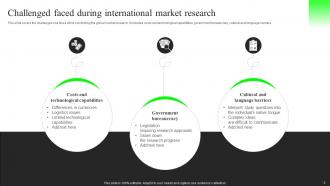
Dude, cultural stuff will mess up your research SO fast if you don't think it through. Direct income questions? Total no-go in privacy-focused cultures. Online surveys won't work where internet access sucks. Translation's just the start - some cultures never pick extreme ratings, others prefer phone over email. I swear, colors and images can backfire too if they're offensive locally. Oh and holidays/religious events can tank your response rates (learned that one the hard way). Honestly just partner with local research firms. Yeah it costs more but they'll save you from major screwups.
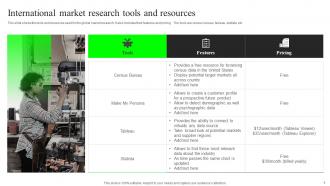
Honestly, tech makes international market research so much easier these days. Online surveys let you hit thousands of people across different countries at once. Social media analytics show you what locals actually think about stuff. Translation tools help with language barriers (though they're still not perfect). Video calls mean you can do focus groups with people in different time zones without flying anywhere - your wallet will love that. Google Analytics and social listening give you data as it happens. I'd start by figuring out which tools match your research goals and markets. The whole thing just scales way better than old-school methods.
Dude, this stuff is all over the map depending where you're doing research. Europe's GDPR will absolutely destroy you if you mess up data privacy, but other places are way more chill about it. You've got consent rules, restrictions on surveying kids, and some countries make you partner with local companies. Cross-border data transfers can be a nightmare too. The ethics thing is honestly the trickiest part since what's normal in one culture might be totally offensive somewhere else. My advice? Always dig into local laws first - I learned that the hard way. Better to be overly cautious than sorry.
Honestly, I'd mix online surveys with local partnerships - you'll get way better response rates that way. Qualtrics is solid for reach, but you really need local researchers to adapt your questions for each market. Cultural stuff matters way more than most people realize! Oh, and go mobile-first since smartphone usage is all over the place depending where you are. Incentives are tricky too - what works in one country totally bombs in another. Definitely pilot in like 2-3 markets first before going big. Trust me, it'll save you so much pain later.
First thing - get your data collection consistent everywhere. Same metrics, same timeframes, all that boring but necessary stuff. Don't try analyzing everything as one big blob though. Germany and Thailand are totally different beasts, trust me on this one. Partner with local researchers who actually get the cultural stuff you'll miss. Short sentences work better here. Focus on spotting what's universal vs what's country-specific, then run everything by your local teams before you do anything major. Oh, and build dashboards where you can flip between global and regional views - saves so much headache later.
Honestly, the trickiest part is cultural context getting lost in translation. What sounds normal in English might be weird or offensive elsewhere. Some concepts just don't exist in other cultures, so you can't just swap words - you need to rebuild entire questions. Different cultures also express agreement differently on rating scales, which screws up your data. Quality translators who get research stuff are expensive and slow too. Oh, and pilot testing with native speakers is non-negotiable - learned that one the hard way. Budget for actual cultural adaptation, not just basic translation.
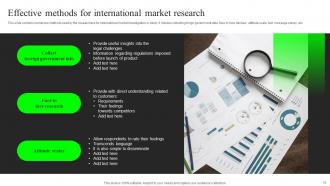
Government stats and industry reports are honestly your best friend before you blow money on primary research. World Bank data, trade associations, academic studies - all that stuff already exists. For international markets? You'll understand regulations and cultural trends without booking any flights yet (your wallet will be grateful). Start there to spot obvious opportunities or major red flags. I always check local government databases too - sometimes they have surprisingly detailed market breakdowns. Then once you've got that foundation, use primary research to fill in whatever gaps are left. Way smarter approach.
Honestly, you'll need local moderators who actually get the cultural stuff - they're lifesavers for navigating weird sensitive topics. Don't mix different job levels in hierarchical cultures or nobody will talk. Time zones are brutal but hunt for those sweet overlap windows. Some places love direct feedback, others hate it, so maybe run a pilot first? Oh and be ready to totally flip your group dynamics based on what works. I learned this the hard way when I had executives shutting down junior people without realizing it. Flexibility is everything here.
Money talks, right? People with cash buy premium stuff and experiences, while everyone else hunts for deals and necessities. Education matters too - some folks research everything to death, others just grab what they need. I've noticed employment rates and income gaps create totally different shopping habits between countries. Like, the whole decision-making process changes depending on where you are. Income distribution is huge. When you're going international, definitely scope out the socioeconomic scene first so you actually get what drives people to buy your stuff.
Honestly, focus on four things that actually matter. Revenue growth and market entry success rates tell you if your research was worth anything - that's the real stuff. Compare your market size predictions to what actually happened (I always mess this up but it's so telling). Customer acquisition costs matter way more than I thought they would when I started doing this. Retention rates are huge too. Skip the fluff metrics like survey response rates. Did your research help you dodge expensive mistakes? That's what counts. Set your benchmarks upfront so you're not fooling yourself later.
Honestly, social media is where you'll find the real gold for market research. I waste hours scrolling through regional hashtags but it's so worth it - way better than boring surveys. Facebook and Instagram are obvious picks, but don't sleep on local platforms like WeChat or WhatsApp depending on your target countries. Watch what people actually complain about or get excited over. Short rants tell you everything. Set up some social listening tools to track mentions of your brand and competitors too. The conversations happening in those comment sections? That's your actual consumer insight right there.
Get local research partners - they'll catch cultural stuff you'd totally miss. Mix up your methods too, like surveys plus actual interviews for better context. Back-translate everything (Google Translate is trash for this). Test your approach locally first because what works in one place usually bombs somewhere else. Your sampling needs to reflect real people, not just whoever's convenient to find. Oh, and budget way more time than you think - you'll definitely need to tweak things once data starts coming in. Trust me on that one.
COVID totally flipped how people shop - everything's mobile and digital now. Emerging markets are going crazy with mobile commerce, plus GDPR and privacy stuff is messing with how you can collect data. TikTok and WhatsApp shopping is massive too, like people literally buy stuff without leaving the app which still blows my mind. Gen Z cares way more about sustainability when they're purchasing. Oh, and here's the thing - global trends hit differently everywhere, so you've got to validate locally. I'd build these factors into your research from the start rather than trying to retrofit later.
So basically, you gotta match your pricing to what people can actually afford in each market. Like McDonald's does - they don't charge the same everywhere, right? Lower income areas mean you'll probably need cheaper prices, fewer fancy features, or at least messaging that screams "good value." Wealthier regions? You can keep your premium stuff and full pricing. Oh, and don't forget payment methods vary like crazy depending on the economy. Some places love financing options, others are cash-heavy. Just don't assume what works at home will work everywhere else - that's rookie mistake territory.
-
SlideTeam is my one-stop solution for all the presentation needs. Their templates have beautiful designs that are worth every penny!
-
I looked at their huge selection of themes and designs. They appeared to be ideal for my profession. I'm sure I'll grab a few of them.