


IoT Manufacturing Automation Robotics Illustration




Try Before you Buy Download Free Sample Product
 Impress Your
 Audience
 100%
100% Editable
 Save Hours
 of Time


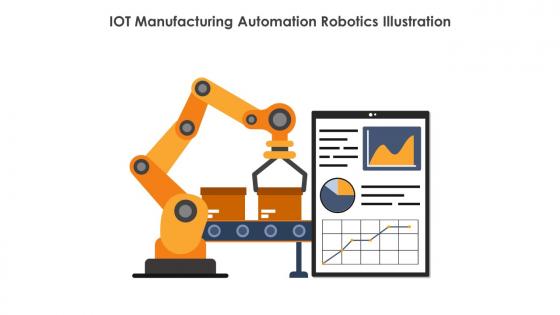
Use this Iot manufacturing automation robotics illustration and create amazing PowerPoint presentations or graphics with ease. This downloaded file is available in all the editable formats such as EPS, PNG and Powerpoint pptx.
People who downloaded this PowerPoint presentation also viewed the following :
IoT Manufacturing Automation Robotics Illustration with all 6 slides:
Use our IoT Manufacturing Automation Robotics Illustration to effectively help you save your valuable time. They are readymade to fit into any presentation structure.
-
IoT Manufacturing Automation Robotics Illustration
-

IoT Manufacturing Automation Robotics Illustration
-

IoT Manufacturing Automation Robotics Illustration
-

IoT Manufacturing Automation Robotics Illustration
-

IoT Manufacturing Automation Robotics Illustration
-

IoT Manufacturing Automation Robotics Illustration
FAQs for IoT Manufacturing
Honestly, the network stuff will drive you crazy - robots getting stuck when WiFi drops or running on old data while wandering around. Security's huge too since you don't want some random person hijacking your bots. Battery drain from all those IoT sensors is brutal, and coordinating different devices with weird protocols? Total headache. Latency between robots and cloud can mess everything up. Oh, and offline modes are a lifesaver - build those first along with proper encryption. Trust me on that one.
So basically you connect all your robots to the internet and they start talking to each other. Pretty wild stuff. They'll predict when something's about to break down instead of waiting for it to happen. Your workflow gets way smarter because it's based on actual data, not just hoping things work out. The robots adapt when conditions change too - honestly feels like sci-fi sometimes. They learn from other machines across the whole network, which sounds creepy but is actually genius. Efficiency goes through the roof since you're not constantly putting out fires. Try connecting one production line first and see what happens.
So your IoT robots collect crazy amounts of data - sensor readings, how they move around, performance stuff, environmental conditions. Analytics turns all that into actual intelligence. Your robots start learning patterns, predicting when they'll need maintenance, finding better routes. Plus you catch problems before they get expensive (learned that one the hard way). Without analytics? You've got pricey hardware that stays dumb forever. It's like having a smartphone but never downloading apps - technically works but misses the whole point.
Honestly, IoT robots are kinda scary from a security standpoint. Data breaches are the big one - plus someone could literally hijack your robot and make it move around or worse. Weak passwords and unencrypted data make it super easy for hackers. You definitely want strong authentication and encrypted communications. Keep that firmware updated too, I can't stress this enough. Oh, and segment your robot network from other important stuff. If you've got robots already running, do a security check first. You'll probably find some sketchy vulnerabilities you didn't even know about.
Honestly, cloud computing is a game-changer for IoT robots. You can dump all the heavy computational stuff - AI processing, path planning, data crunching - onto cloud servers instead of stuffing expensive processors into every robot. Keeps them cheap and lightweight. Sure, latency sucks sometimes when you need instant responses, but most of the time it's totally worth it. Your bots get access to way more sophisticated algorithms than they could ever run locally. Just don't rely on it for split-second decisions - maybe go hybrid for that stuff. Oh, and obviously you'll need decent internet connectivity or you're screwed.
Hey! So the coolest stuff I'm seeing is these field monitoring robots that spot diseases and pests as they happen. Precision spraying drones are game-changers too - they hit problem areas instead of dousing everything. Honestly, the fruit-picking bots are getting insanely good at handling delicate stuff without bruising. You can also connect weather stations and soil sensors to automate watering and fertilizing based on real conditions, not just guessing. The whole system learns your farm over time, which is pretty wild. I'd start by figuring out what manual tasks drain most of your time.
IoT robots are honestly a game-changer for healthcare. They handle all the boring stuff - med deliveries, tracking vitals, even remote doctor visits. For elderly care? Total lifesaver. These things remind patients about meds, catch falls, and ping staff right away. The data collection is pretty slick too - spots health problems before they blow up into emergencies. My advice? Look at whatever eats up most of your team's time with repetitive tasks. That's where you'll see the biggest win since it frees everyone up for actual patient care.
Dude, 5G is a game-changer for IoT robots. The latency drops from like 50ms down to 1ms - that's huge for real-time decisions and coordination between devices. Bandwidth gets crazy good too, so robots can stream HD video and crunch AI data remotely without choking up. You can actually pack way more bots in one area now without everything slowing down. Oh and the cloud processing thing is pretty sweet - they don't need to be as beefy hardware-wise. If you're planning robotics stuff, you'll definitely want 5G in your setup. Trust me on this one.
Honestly, IoT robotics is pretty wild for supply chains. Real-time tracking means you'll know exactly where everything is at all times. Robots can talk to each other too - sounds weird but it actually works to smooth out workflows. Predictive maintenance is huge because you catch issues before stuff breaks down. The whole warehouse becomes connected, which cuts down on mistakes and speeds up orders. I'd say start with whatever's bugging you most - maybe inventory problems or slow spots. Oh, and fewer people needed for the boring repetitive tasks, which is nice.
So basically, ML lets your IoT bots learn from all that sensor data instead of you having to code every single scenario - which would be a nightmare tbh. They spot patterns and adapt on their own. Your robots can figure out better routes, predict when stuff's about to break, adjust to weather changes, whatever. The trick is getting good training data from your sensors first. I'd start simple though - pick one thing like navigation or scheduling maintenance. Once that's working, you can add more features. Way easier than trying to do everything at once.
Honestly, you're gonna deal with three big headaches. Privacy is huge – these things hoover up so much personal data it's kinda scary. Job displacement is real too, and people get understandably pissed when robots replace them. But the worst part? Figuring out who's liable when something goes wrong. Like, if your robot hurts someone, is that on you, the coder, or whoever's using it? Set up solid ethical guidelines early and audit regularly. Trust me, way easier to handle this stuff upfront than scramble later when things blow up.
Ugh, interoperability is such a pain when you're building IoT robots. You'll have sensors talking Zigbee, actuators on WiFi, cloud stuff using cellular - it's like herding cats honestly. Instead of actually working on the cool robotics parts, you end up spending forever writing custom adapters just to make everything talk to each other. Super frustrating. I learned this the hard way on my last project (took way longer than expected). Either go with one unified platform from the start, or just accept you'll need extra time for all that integration headache.
Dude, connectivity is gonna be your biggest pain point - cities are interference hell, so definitely go with 5G plus WiFi backup. Security's massive too since you're in public with tons of data flowing around. The permit stuff is honestly such a drag but do it early or you'll hate yourself later. Your bots need to handle actual chaos - rain, crowds, random stuff in the way. Oh and start small with pilot areas first. Way easier to fix problems without the whole city watching you fail. Weather resistance is trickier than most people think.
Dude, IoT robotics are seriously perfect for disasters. Ground robots can crawl through rubble delivering supplies when it's too sketchy for humans. Connected drone swarms map everything in real-time - survivor locations, damage assessment, the works. What's cool is they all talk to each other instantly, so rescue teams get coordinated data streams. Plus they don't get exhausted like we do, which honestly makes a huge difference during long operations. Oh, and they can set up communication networks when cell towers go down. I'd start by figuring out what disasters hit your area most, then see what robotic solutions already exist for those specific situations.
So these IoT robots are basically gonna take over everything we do daily. Your house will have moving assistants, plus delivery bots bringing stuff right to your door. Healthcare ones will track your health while doing chores - which is actually pretty cool when you think about it. Even your car will talk to home robots so everything's ready when you get back. Lawn care, groceries, elderly help, security - they'll learn what you like and sync with all your other smart stuff. I'd probably start with whatever boring task annoys you most.
-
“The presentation template I got from you was a very useful one.My presentation went very well and the comments were positive.Thank you for the support. Kudos to the team!”
-
I took a chance with SlideTeam. I never looked back. Great products and great service.