

Jewelry Business Plan Powerpoint Presentation Slides BP




Try Before you Buy Download Free Sample Product
 Impress Your
 Audience
 100%
100% Editable
 Save Hours
 of Time


Jewelry business specializes in designing, manufacturing, and selling a wide range of high quality jewelry pieces. The purpose of jewelry business plan is to identify the market size, trends, growth opportunities, success factors, and major challenges faced by the global jewelry industry. This PPT covers the executive summary, mission, vision, goals, start up cost summary, market gap analysis, and services offered by the startup jewelry business. In addition to it, this presentation captures statistics associated with the US jewelry industry, target market, buyer persona, and TAM SAM SOM analysis. Also, it shows an attribute based comparison of major jewelry industry players, SWOT analysis, Porters five forces model, etc. Moreover, this PowerPoint exhibits a marketing plan such as sales, distribution, and promotional strategies to establish business credibility. pricing strategy and customer journey. Also, this slide shows the operational plan and financial plan, which further includes financial assumptions, revenue generation model, break even analysis, profit and loss account, cash flow statement, balance sheet, scenario analysis, and discounted cash flow. At last, this PPT represents a management summary, exit strategies, and key abbreviations. Get access now.
People who downloaded this PowerPoint presentation also viewed the following :
Content of this Powerpoint Presentation
Slide 1: This slide displays the title Jewelry Business Plan.
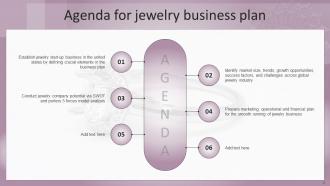
Slide 2: This slide displays the title Agenda for jewelry business plan.
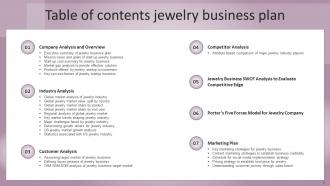
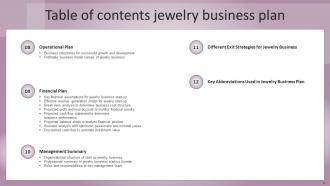
Slide 3: This slide exhibit table of content.
Slide 4: This slide exhibit table of content.
Slide 5: This slide exhibit table of content that is to be discuss further.
Slide 6: This slide showcases the executive summary of jewelry business plan, which includes a company summary such as specialization, target market, future expansion plans.
Slide 7: This slide represents the mission and vision of the start-up jewelry business, which shows the future desired position of the business.
Slide 8: This slide showcases the start-up summary of jewelry business which includes start-up expenses such as equity capital, start-sup cost, license & permits.
Slide 9: This slide covers the market gap analysis to provide effective solution which includes concern such as unreasonable prices, no personalization and ethical concerns.
Slide 10: This slide focuses on products offered by jewelry start up to clients such as rings, earrings, necklaces and bracelets.
Slide 11: This slide shows key success factors of jewelry business such as high-quality products, positive customer experience, strong supplier relationships.
Slide 12: This slide exhibit table of content that is to be discuss further.
Slide 13: This slide showcases the global market analysis of the jewelry industry, including projected market size from 2021 to 2030.
Slide 14: This slide showcases the global jewelry market value split by country which includes countries such as China, United States, India, Hong Kong, Japan, Canada, etc.
Slide 15: This slide showcases the global jewelry market share by product which includes necklaces, earrings, rings and bracelet.
Slide 16: This slide showcases the global jewelry market share by end user which includes men and women.
Slide 17: This slide showcases the global jewelry market share by region such as North America, Europe, Asia-pacific and rest of the world.
Slide 18: This slide covers the key market trends shaping global jewelry industry which includes sustainability and ethics, ecommerce, personalization, wearable technology.
Slide 19: This slide showcases the major challenges faced by jewelry industry which includes changes in consumer behavior, stiff competition, supply chain.
Slide 20: This slide covers the growth drivers for jewelry industry which includes increasing demand for personalized products, e-commerce expansion etc.
Slide 21: This slide focuses on jewelry market growth across United States which includes projected market size from 2021 to 2025.
Slide 22: This slide focuses on jewelry market growth across United States which includes jewelry store businesses, jewelry manufacturers, specialty jewelry retail store.
Slide 23: This slide exhibit table of content that is to be discuss further.
Slide 24: This slide represents the target market of jewelry business which includes women of age group 25-45, men and children.
Slide 25: This slide showcases the buyer persona of jewelry business which includes demographics, key concern & pain points, personality traits.
Slide 26: This slide showcases the TAM, SAM and SOM analysis of jewelry business target market which includes global jewelry market value, US market size.
Slide 27: This slide exhibit table of content that is to be discuss further.
Slide 28: This slide covers the comparison of major jewelry industry players on the basis of different attributes.
Slide 29: This slide exhibit table of content that is to be discuss further.
Slide 30: This slide showcases the strengths, weakness, opportunities and threats to evaluate competitive position of jewelry.
Slide 31: This slide exhibit table of content that is to be discuss further.
Slide 32: This slide showcases the Porter’s five forces model for jewelry business which includes competitive rivalry, bargaining power of buyers & suppliers.
Slide 33: This slide exhibit table of content that is to be discuss further.
Slide 34: This slide represents the key marketing strategies for a jewelry business which include build compelling website, build presence on social media.
Slide 35: This slide showcases the content marketing strategies to establish business credibility which includes blogging, product showcases, customer stories.
Slide 36: This slide showcases the schedule for social media implementation strategy which includes Facebook, Instagram, LinkedIn and Twitter.
Slide 37: This slide showcases the pricing strategy to establish best price for jewelry which includes cost-plus pricing, competitive pricing, value-based pricing.
Slide 38: This slide shows the customer journey through sales funnel which includes awareness, conversion, loyalty and retention which helps company to track.
Slide 39: This slide exhibit table of content that is to be discuss further.
Slide 40: This slide shows the business milestones for five years of operations such as establish brand identity, collect feedback from customers, increase marketing efforts.
Slide 41: This slide shows the business model canvas of jewelry business which includes key partners, key activities, value proposition, customer relationship.
Slide 42: This slide exhibit table of content that is to be discuss further.
Slide 43: This slide represents the key financial assumptions for jewelry business start up which includes marketing expenses, third party expenses, etc.
Slide 44: This slide covers the revenue generation model for jewelry start-up which includes revenue projection for different products.
Slide 45: This slide shows the break even analysis of company to determine cost structure which includes average revenue, contribution per year, discount rate, payback period.
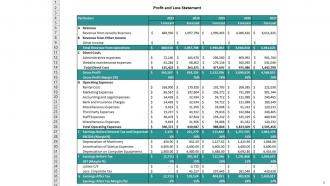
Slide 46: This slide showcases the projected profit and loss statement prepared by company to monitor financial results which includes revenue, direct costs.
Slide 47: This slide showcases the graphical representation of projected profit and loss statement prepared by company to monitor financial results.
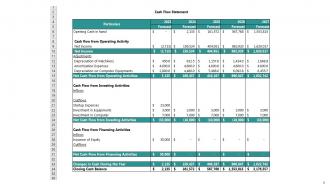
Slide 48: This slide covers the projected cash flow statement to determine business performance which shows inflow and outflow of cash from operating, investing and financing.
Slide 49: This slide covers the graphical representation of projected cash flow statement to determine business performance.
Slide 50: This slide represents the projected balance sheet to analyze the financial position of the company which includes assets and liabilities for five years.
Slide 51: This slide represents the graphical representation of projected balance sheet to analyze the financial position of the company.
Slide 52: This slide is to examine the effects of potential future events on the jewelry business performance by considering numerous different outcomes.
Slide 53: This slide shows the effects of potential future events on the jewelry business performance by considering numerous different outcomes.
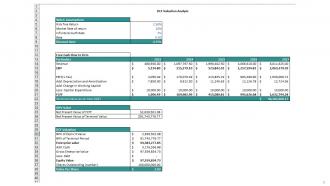
Slide 54: This slide showcases the discounted cash flow for the valuation of investment which includes WACC, NPV value, free cash flow to firm, DCF valuation, etc.
Slide 55: This slide exhibit table of content that is to be discuss further.
Slide 56: This slide represents the organizational structure of jewelry start up company which includes owner, general manager, sales & marketing manager, operations manager.
Slide 57: This slide shows the professional summary of jewelry business start-up founder which includes educational qualification and skills.
Slide 58: This slide covers the roles and responsibilities of photography management team to ensure effectiveness and efficiency in operations.
Slide 59: This slide covers the roles and responsibilities of photography management team to ensure effectiveness and efficiency in operations.
Slide 60: This slide exhibit table of content that is to be discuss further.
Slide 61: This slide showcases the exit strategies for jewelry business which includes sale to third party, management buyout, family succession, merger or acquisition.
Slide 62: This slide exhibit table of content that is to be discuss further.
Slide 63: This slide showcases the key abbreviations used in jewelry business plan which includes Chief Executive Officer, United States, Compound Annual Growth Rate.
Slide 64: This is the icons slide.
Slide 65: This slide presents title for additional slides.
Slide 66: This slide depicts 30-60-90 days plan for projects.
Slide 67: This slide shows puzzle for displaying elements of company.
Slide 68: This slide showcase Mind map.
Slide 69: This slide display Venn.
Slide 70: This slide presents your company's vision, mission and goals.
Slide 71: This slide showcase Magnifying glass.
Slide 72: This slide showcase Bulb & idea.
Slide 73: This is thank you slide & contains contact details of company like office address, phone no., etc.
Jewelry Business Plan Powerpoint Presentation Slides BP with all 78 slides:
Use our Jewelry Business Plan Powerpoint Presentation Slides BP to effectively help you save your valuable time. They are readymade to fit into any presentation structure.










FAQs for Jewelry Business Plan Powerpoint
So you'll definitely need your target market stuff and competitive analysis. Financial projections are where most people totally screw up - be realistic about startup costs or you'll hate yourself later. Your pricing strategy matters huge in jewelry since it's so saturated. Marketing plan, supplier details, inventory management - all that boring operational stuff investors want to see. Oh and insurance requirements are actually kind of a pain with precious materials, so research that early. Start with an executive summary that doesn't put people to sleep. Your unique angle is everything in this market.
Honestly, you can't write a solid business plan without doing your homework first. Market research shows you who's actually buying jewelry and what they'll pay for it. I'd start with surveys and checking out your competition - sounds boring but it's way better than guessing and failing within a year like so many jewelry startups do. You'll figure out if there's demand for bridal stuff versus everyday pieces, catch seasonal patterns, and spot gaps other brands are missing. The pricing insights alone make it worth the effort. Don't skip this step!
For your jewelry business, break down revenue by category - rings, necklaces, custom work, etc. Materials and gemstones eat up cash fast, so nail down your COGS. Three-year sales forecasts are pretty standard. Don't underestimate seasonal swings either. Holidays and wedding season are your goldmine months, but things get quiet after. Cash flow gets tricky since you're always buying inventory. Honestly, I'd run three scenarios - worst case, realistic, and if everything goes right. Operating costs like rent and insurance are obvious, but marketing spend varies a ton depending on your strategy. Break-even analysis helps too.
Honestly, forget the "everyone loves jewelry" approach - that's marketing suicide. Break it down by age, income, what they actually value. Are you going after millennials buying $50 earrings or wealthy boomers dropping serious cash on diamonds? Figure out if they're price-sensitive, prefer online shopping, what makes them actually buy stuff. I'd create like 2-3 super detailed customer profiles with real names and everything. Sarah the 28-year-old teacher vs Margaret the 55-year-old executive, you know? Then - and this part's crucial - actually test these assumptions with real research before throwing money at ads.
Honestly, just figure out what makes you different from every other jewelry shop. Custom designs work great. So does ethically sourced stuff or specializing in one thing - like vintage pieces or super minimal designs. Lifetime repairs are huge too, or maybe you're crazy fast with orders? I'd also think about your background - are you a certified gemologist or something? That's gold right there. Oh, and picking a specific crowd helps tons, like just doing bridal or men's jewelry. Don't go overboard though - pick like 2-3 things you can actually pull off consistently.
So for your jewelry biz plan, definitely map out the whole supply chain thing - from getting raw materials to shipping finished pieces. Find solid suppliers for metals, gems, all that stuff, but honestly having backups is crucial because running out mid-order is a nightmare. Shipping delays are real, especially international ones, so factor that in. Quality checks matter too. Building relationships with multiple suppliers is smart - when demand goes crazy or something breaks down, you won't be scrambling. Oh and don't forget about returns and inventory management. It's a lot but totally doable.
Look, branding is everything in jewelry. Without it, you're just another person making pretty things. Figure out your vibe first - who's buying your stuff and why? People don't buy jewelry because they need it, they buy it because of how it makes them feel. Take Tiffany's little blue box - that's branding genius right there. Once you nail your identity, everything else falls into place. Your prices, marketing, even which pieces you create. Honestly? I'd work on brand before financial projections. Those spreadsheets won't save you if nobody connects with what you're selling.
Don't just slap digital marketing onto the end of your business plan - it needs to be woven throughout everything. Budget for Instagram ads, Google Ads, and influencer partnerships right in your financial projections. Your market analysis should dig into social media trends and online shopping habits. Jewelry is so visual, which is why Pinterest and TikTok are absolute goldmines for this stuff. Map out your content strategy and email funnels in the marketing section, plus don't forget SEO. Set up tracking for engagement rates and conversions so you can actually measure what's working. Honestly, just pick 2-3 platforms and master those first instead of spreading yourself too thin.
Okay so pricing is honestly the worst part at first, but here's what works. Calculate your actual costs - materials plus your time (don't work for free!). Then see what similar stuff sells for around you. I usually aim for at least 2.5x material costs as a starting point. Custom pieces? You can charge way more because people love exclusivity. Are you going for budget-friendly or fancy clientele? That matters too. Test different prices and see what moves. I know it feels scary but you'll figure out your sweet spot pretty quick.
Oh totally, trends definitely matter for your long-term game plan. Like right now everyone's obsessed with lab-grown diamonds - you gotta pay attention to stuff like that. But here's the thing, jewelry moves weird compared to other industries. Not as fast as fashion, but way quicker than furniture, you know? I'd probably do like 70% classic pieces that always sell, then maybe 30% trendy stuff. That way you're not scrambling to keep up but you're also not completely behind. The timing's tricky though - you need to start planning like 6-12 months ahead since production takes forever. Just watch what's actually driving sales in your customer base, not just what Instagram says is cool.
Okay so jewelry biz has some tricky regulations you gotta handle. Precious metals need proper hallmarking - can't just call something "gold" without meeting standards. Consumer protection stuff matters too for returns and warranties. Importing gets messy with all the customs paperwork (seriously, it's a pain). Business licenses and sales tax permits are obvious ones. Custom work might need artisan certs depending where you are. Honestly, I'd talk to a business lawyer sooner than later because jewelry has weird little rules that'll bite you if you miss them.
Okay so there's basically three ways to make your jewelry biz more sustainable. Sourcing is huge - go for recycled metals, lab-grown diamonds, conflict-free stones. Production-wise, cut down on waste (seriously, some jewelers toss SO much scrap metal it's crazy). Also think about offering repairs so pieces last longer. Oh and ditch the fancy packaging for recyclable stuff. Customers are totally into buying from responsible brands now. My advice though? Don't try to change everything overnight. Pick one thing first and build from there. Way less overwhelming that way.
Honestly, I'd start with the obvious stuff - gemstone suppliers and precious metal dealers since that's your biggest cost center. Local jewelry stores are gold for consignment deals too. Manufacturing partnerships will save you a ton unless you want to do everything yourself (spoiler: it gets pricey quick). Wedding planners are amazing referral sources - they're always looking for custom pieces. Fashion boutiques work well too, and I've even seen jewelry makers partner with tattoo shops which is kinda genius. Don't sleep on Etsy or craft fairs either. Just figure out where you're bleeding money or missing sales opportunities first.
So first thing - map out that whole customer journey from when they're just browsing to after they buy. Write down your return policies, how fast you'll respond to questions, what happens with repairs or sizing drama. Jewelry people are SO particular (honestly can't blame them though). Be really clear about how they can reach you - email, phone, whatever. Staff training is huge if you're hiring anyone. Oh and don't forget quality guarantees and feedback collection. Cover both online and in-store experiences. The trick is fixing problems before people get mad about them.
Track the obvious stuff first - revenue growth, margins, customer acquisition costs. But the real gold is in customer lifetime value and repeat purchases. That's how you know if people actually want your jewelry vs just bought it once. Average order value and inventory turnover are clutch too. Oh and honestly? Don't ignore social media engagement and reviews - jewelry is such a trust thing. I'd pick maybe 4 metrics max that you can actually keep up with. Better to nail a few than half-ass tracking everything.
-
I was really impressed with the presentation I created with their templates. I’ll be using their services moving forward.
-
The designs are very attractive and easy to edit. Looking forward to downloading more of your PowerPoint Presentations.