

Kennedy Classification Partial Dentures PPT Guidelines ACP





Try Before you Buy Download Free Sample Product
 Impress Your
Audience
 100%
Editable
 Save Hours
of Time


Elevate your dental practice with our comprehensive PowerPoint presentation on Kennedy Classification Partial Dentures. This expertly designed deck provides clear guidelines from the American College of Prosthodontists ACP, enhancing your understanding and application of partial denture classification for improved patient outcomes. Perfect for professionals seeking clarity and precision.
People who downloaded this PowerPoint presentation also viewed the following :
Kennedy Classification Partial Dentures PPT Guidelines ACP with all 40 slides:
Use our Kennedy Classification Partial Dentures PPT Guidelines ACP to effectively help you save your valuable time. They are readymade to fit into any presentation structure.



















FAQs for Kennedy Classification Partial Dentures
The Kennedy Classification system is built on principles of anatomical tooth distribution, tissue support characteristics, strategic abutment evaluation, and biomechanical load distribution for partial dentures. These principles enable dental professionals to systematically assess oral conditions, predict prosthetic outcomes, and design optimal treatment plans, with many practitioners finding that this standardized approach streamlines patient care while enhancing restoration success rates.
The Kennedy Classification aids dental professionals by systematically categorizing partial edentulism patterns, enabling standardized communication between practitioners, streamlined treatment protocols, and precise prosthetic design selection. This classification system enhances treatment predictability and outcomes by allowing dentists to quickly assess biomechanical considerations, determine optimal abutment utilization, and select appropriate retention mechanisms, ultimately delivering more efficient patient care and improved long-term prosthetic success.
The Kennedy Classification revolutionized prosthodontics by providing the first systematic method for categorizing partially edentulous arches, establishing standardized communication among dental professionals worldwide since 1925. This classification system streamlined treatment planning, enhanced clinical education, and enabled consistent research methodologies, with dental schools and practitioners finding that standardized terminology ultimately delivers more predictable outcomes and improved patient care.
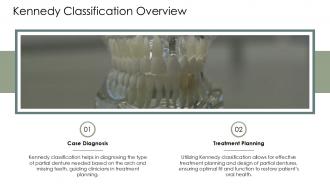
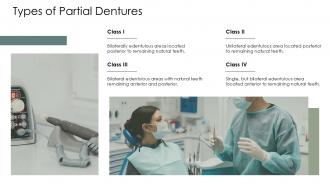
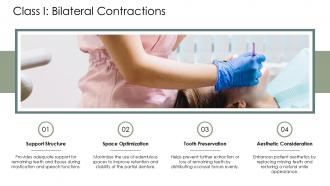
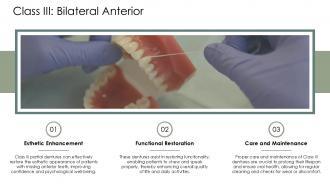
Kennedy classifications are defined by the location and characteristics of edentulous areas, with Class I featuring bilateral posterior edentulous areas, Class II having unilateral posterior edentulous spaces, Class III involving unilateral edentulous areas with natural teeth on both sides, and Class IV representing anterior edentulous areas crossing the midline. These classifications enable dental professionals to standardize treatment planning, enhance communication between practitioners, and streamline prosthetic design processes, ultimately delivering more predictable outcomes for patients requiring partial dentures.
Each Kennedy Classification type presents distinct clinical challenges and treatment protocols, with Class I requiring bilateral extension base dentures, Class II needing unilateral support considerations, Class III demanding careful esthetics management, and Class IV requiring specialized anterior replacement techniques. These classifications guide prosthodontists in determining optimal treatment approaches, material selection, and retention strategies, with dental practices finding that proper classification streamlines treatment planning and ultimately delivers more predictable patient outcomes.
The Kennedy Classification addresses edentulous areas by categorizing them into four primary classes based on location and bilateral presence, with additional modifications for secondary edentulous spaces. This systematic approach enables dental professionals to standardize treatment planning, enhance communication between practitioners, and streamline prosthetic design processes, ultimately delivering more predictable outcomes and improved patient care across dental practices.
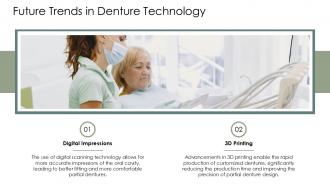
Kennedy Classification integrates seamlessly with digital dentistry through CAD/CAM design software, intraoral scanning protocols, digital treatment planning systems, and automated prosthetic fabrication workflows. These technologies streamline classification accuracy by enabling precise edentulous area mapping, automated class identification, and enhanced prosthetic design precision, with dental laboratories and practices finding significantly improved treatment outcomes and reduced chair time.
Patient anatomy directly determines Kennedy Classification by defining the location, extent, and configuration of edentulous areas within the dental arch. Anatomical factors like remaining tooth positions, ridge morphology, and tissue quality influence classification categories, with dental professionals finding that thorough anatomical assessment ensures accurate classification and optimal prosthetic treatment planning for partial denture success.
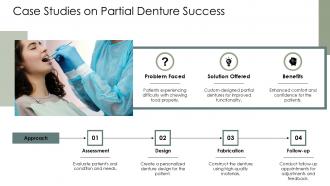
Kennedy Classification significantly impacts oral rehabilitation outcomes by guiding treatment planning, prosthetic design selection, and long-term success rates through systematic categorization of partial edentulism patterns. Different classes require specific approaches, with Class I and II cases often presenting greater challenges for retention and stability, while Class III and IV typically achieve more predictable outcomes, ultimately enabling dentists to deliver more targeted, effective rehabilitative solutions.
Common misconceptions about the Kennedy Classification include believing it's only for complete dentures, that it's outdated in modern dentistry, that all Class I cases require identical treatment approaches, and that the classification determines prognosis alone. Many dental professionals find that while the system provides essential structural guidance for partial denture design, successful outcomes depend on comprehensive patient assessment, precise clinical execution, and understanding individual anatomical variations beyond the basic classification framework.
The Kennedy Classification specifically focuses on partial edentulism patterns, while other dental classification systems address different aspects like periodontal disease staging, caries risk assessment, malocclusion types, and implant bone quality. This targeted approach streamlines treatment planning for removable partial dentures by standardizing arch defect descriptions, whereas comprehensive systems like the AAP periodontal classification or Angle's malocclusion system serve broader diagnostic purposes, ultimately enabling more precise prosthetic planning.
Dentists encounter challenges with Kennedy Classification through complex anatomy variations, multiple edentulous areas requiring modification rules, and subjective interpretation differences between practitioners. While these complications can initially slow treatment planning, many dental practices find that systematic application ultimately streamlines prosthetic workflows, enhances patient communication, and delivers more predictable partial denture outcomes across diverse clinical scenarios.
Dentists may modify the Kennedy Classification when patients present complex oral conditions like severely tilted teeth affecting abutment selection, extensive bone loss altering traditional arch divisions, or multiple tissue undercuts requiring modified clasp designs. These modifications ensure optimal partial denture fit and function, with many practitioners finding that customized approaches deliver better retention, enhanced patient comfort, and improved long-term prosthetic success.
Modern technology has revolutionized Kennedy Classification application through digital imaging, CAD/CAM systems, 3D scanning, and AI-powered diagnostic tools that enhance accuracy and treatment planning. These technologies streamline classification processes by enabling precise measurements, automated analysis, and predictive modeling, with dental practices finding that digital workflows significantly reduce assessment time while improving prosthetic outcomes and patient experiences.
Educational resources for understanding the Kennedy Classification include dental textbooks, online courses, clinical workshops, professional continuing education programs, and university dental curricula. Many dental schools and professional organizations offer specialized training modules that combine theoretical knowledge with hands-on practice, while digital platforms increasingly provide interactive case studies and visual learning tools, ultimately enhancing clinical competency and diagnostic accuracy.
-
The Designed Graphic are very professional and classic.
-
SlideTeam offers so many variations of designs and topics. It’s unbelievable! Easy to create such stunning presentations now.