

Key Adoption Measures For Customer Success Journey Complete Deck




Try Before you Buy Download Free Sample Product
 Impress Your
 Audience
 100%
100% Editable
 Save Hours
 of Time


Optimize your products journey with our comprehensive presentation, Key Adoption Measures for Customer Success Journey. This impactful deck delves into the critical phases of the consumer adoption process, ensuring a seamless path to success. Discover five stages from raising product awareness to achieving full product adoption. Learn how to captivate customers with compelling marketing campaigns in the product awareness phase. Uncover strategies for generating product interest and facilitating informed product evaluations through comparison and reviews. Embrace the product trial stage, where promises meet performance, fostering trust and satisfaction. Navigate the customer success journey with precision, retaining valuable customers and building loyalty. Explore user experience maps and product adoption tools to enhance engagement. Harness consumer adoption tracking solutions to assess impact and reduce churn rates. Monitor your progress through intuitive dashboards, measuring adoption rate, purchase frequency, and conversion rate. Download this presentation now and guide your products journey towards enduring success.
People who downloaded this PowerPoint presentation also viewed the following :
Content of this Powerpoint Presentation
Slide 1: This slide displays the title Key Adoption Measures for Customer Success Journey.
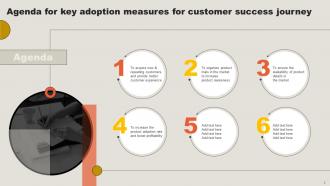
Slide 2: This slide displays the title AGENDA.
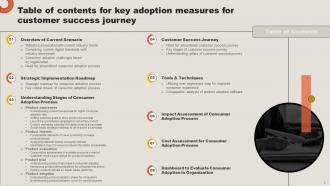
Slide 3: This slide exhibit table of content.
Slide 4: This slide showcase table of content that are to be discuss further.
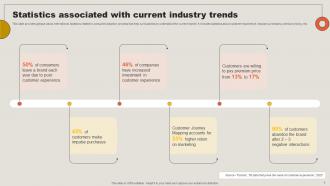
Slide 5: This slide provides glimpse about international statistics related to consumer adoption process that help our business to understand the current market.
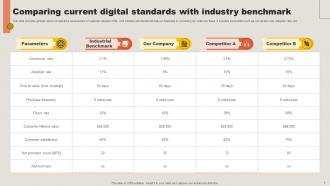
Slide 6: This slide provides glimpse about comparative assessment of customer adoption KPIs with industry standards that help our business in increasing our customer base.
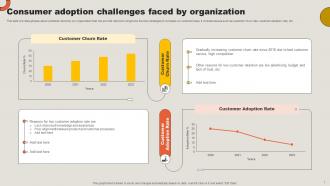
Slide 7: This slide provides glimpse about problems faced by our organization that can provide metrics to target and develop strategies to increase our customer base.
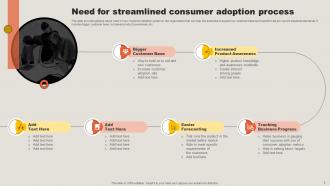
Slide 8: This slide provides glimpse about need of new customer adoption system in the organization.
Slide 9: This slide exhibit table of content- Strategic implementation roadmap.
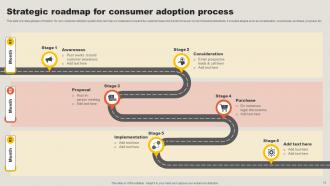
Slide 10: This slide provides glimpse of timeline for new customer adoption system that can help our business to expand.
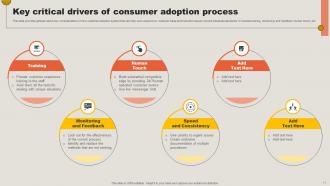
Slide 11: This slide provides glimpse about key considerations of new customer adoption system that can help us to expand our customer base.
Slide 12: This slide exhibit table of content- Understanding stages of consumer adoption process.
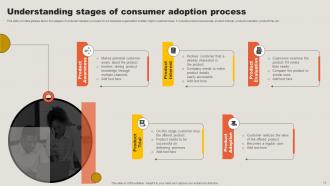
Slide 13: This slide provides glimpse about four stages of consumer adoption process for our business organization to attain higher customer base.
Slide 14: This slide showcase table of content that is to be discuss further.
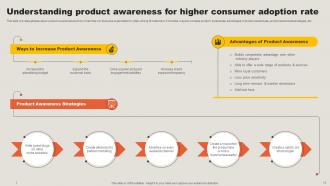
Slide 15: This slide provides glimpse about product awareness and how it can help our business organization to retain strong fit customers.
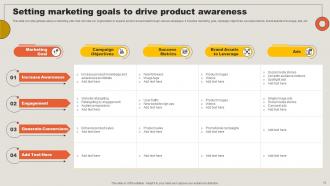
Slide 16: This slide provides glimpse about a marketing plan that can help our organization to expand product awareness through various campaigns.
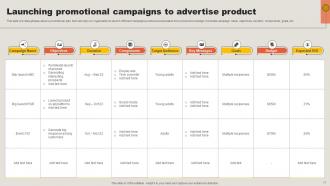
Slide 17: This slide provides glimpse about a promotional plan that can help our organization to launch different campaigns product awareness to drive product knowledge.
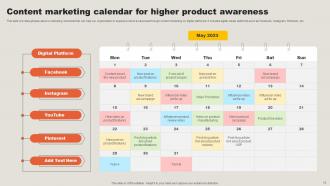
Slide 18: This slide provides glimpse about a marketing schedule that can help our organization to expand product awareness through content marketing on digital platforms.
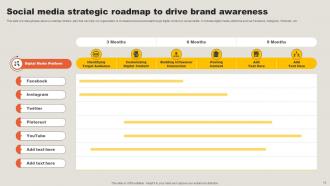
Slide 19: This slide provides glimpse about a roadmap timeline plan that can help our organization to increase brand awareness through digital content on social media.
Slide 20: This slide showcase table of content that is to be discuss further.
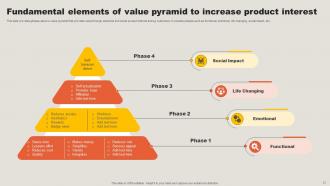
Slide 21: This slide provides glimpse about a value pyramid that provides value through elements and boost product interest among customers.
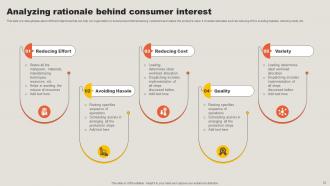
Slide 22: This slide provides glimpse about different objectives that can help our organization to boost product interest among customers and realize the product’s value.
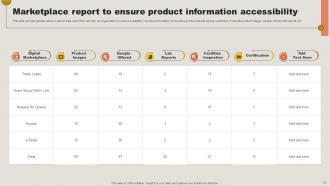
Slide 23: This slide provides glimpse about a market data report that can help our organization to ensure availability of product information.
Slide 24: This slide showcase table of content that is to be discuss further.
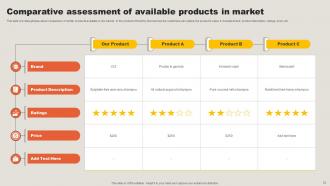
Slide 25: This slide provides glimpse about comparison of similar products available in the market.
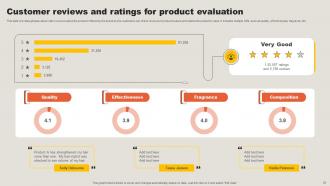
Slide 26: This slide provides glimpse about client reviews about the product offered by the brand.
Slide 27: This slide showcase table of content that is to be discuss further.
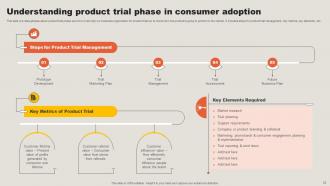
Slide 28: This slide provides glimpse about product trial phase and how it can help our business organization.
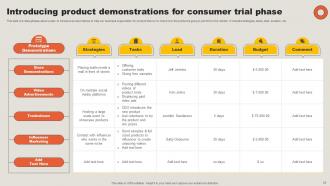
Slide 29: This slide provides glimpse about a plan to introduce product demos to help our business organization.
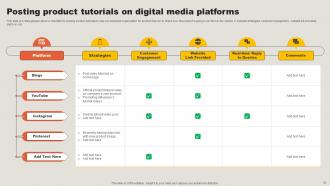
Slide 30: This slide provides glimpse about a checklist for posting product tutorials to help our business organization.
Slide 31: This slide showcase table of content that is to be discuss further.
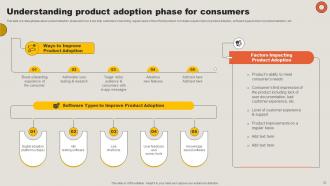
Slide 32: This slide provides glimpse about product adoption phase and how it can help customers in becoming regular users of the offered product.
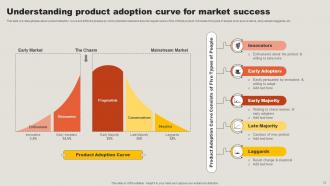
Slide 33: This slide provides glimpse about product adoption curve and different phases by which potential customers become regular users of the offered product.
Slide 34: This slide showcase table of content that is to be discuss further.
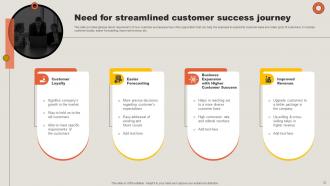
Slide 35: This slide provides glimpse about requirement of new customer success journey in the organization.
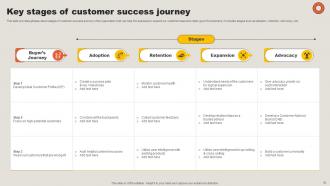
Slide 36: This slide provides glimpse about stages of customer success journey in the organization.
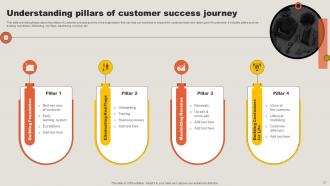
Slide 37: This slide provides glimpse about key pillars of customer success journey in the organization.
Slide 38: This slide showcase table of content that is to be discuss further.
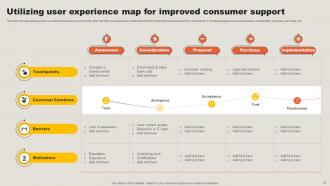
Slide 39: This slide provides glimpse about a customer experience journey map that can help our business to understand different potential customers and their motivations.
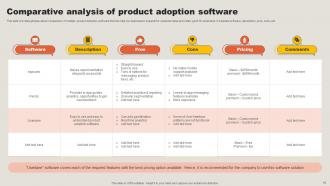
Slide 40: This slide provides glimpse about comparison of multiple product adoption software that can help our business to expand the customer base.
Slide 41: This slide showcase table of content that is to be discuss further.
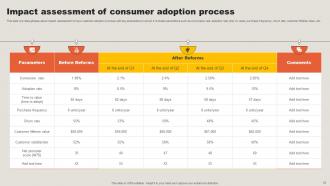
Slide 42: This slide provides glimpse about impact assessment of new customer adoption process with key parameters involved.
Slide 43: This slide showcase table of content that is to be discuss further.
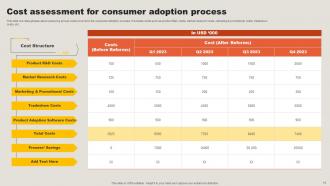
Slide 44: This slide provides glimpse about analyzing annual costs incurred in the consumer adoption process.
Slide 45: This slide showcase table of content that is to be discuss further.
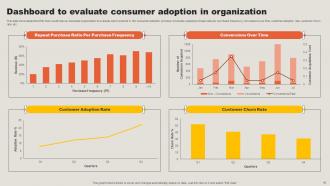
Slide 46: This slide showcases the KPIs that would help our business organization to evaluate improvements in the consumer adoption process.
Slide 47: This is the icons slide.
Slide 48: This slide presents title for additional slides.
Slide 49: This slide presents your company's vision, mission and goals.
Slide 50: This slide shows details of team members like name, designation, etc.
Slide 51: This slide display Venn diagram.
Slide 52: This slide depicts 30-60-90 days plan for projects.
Slide 53: This slide display Financial.
Slide 54: This slide display SWOT analysis.
Slide 55: This slide display Quotes.
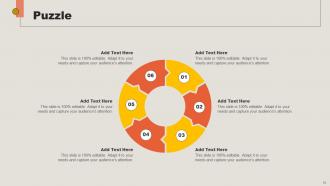
Slide 56: This slide shows puzzle for displaying elements of company.
Slide 57: This slide depicts posts for past experiences of clients.
Slide 58: This slide display the title Our target.
Slide 59: This slide exhibit Timeline.
Slide 60: This slide display the title Mind map.
Slide 61: This slide display Roadmap.
Slide 62: This slide exhibits ideas generated.
Slide 63: This is thank you slide & contains contact details of company like office address, phone no., etc.
Key Adoption Measures For Customer Success Journey Complete Deck with all 65 slides:
Use our Key Adoption Measures For Customer Success Journey Complete Deck to effectively help you save your valuable time. They are readymade to fit into any presentation structure.





FAQs for Key Adoption Measures For Customer Success
So there are a few key things to track. NPS is solid for measuring loyalty, and churn rate shows who's bailing on you. Customer Health Scores are pretty useful too - they mix usage data with engagement stuff. Time to value matters way more than people think though. It's basically how fast new users have that "holy shit this actually works" moment. CSAT gives you direct feedback, support tickets can warn you about problems brewing. Oh, and expansion revenue from current customers is huge. If you're just starting out, honestly? Just focus on NPS and churn first. Way easier to set up.
Honestly, you've gotta break your customers into groups - size, industry, what they actually use your product for. Big enterprise clients? Give them dedicated account managers and those fancy quarterly reviews. Smaller companies just want automated stuff and self-serve options because they're moving fast. SMBs are all about quick wins - they don't have patience for long strategy calls like the big guys do. Here's the thing though: success looks completely different for a scrappy startup versus some massive corporation. I'd start with your top 3-4 customer types and build specific playbooks. Makes everything way more manageable.
Dude, customer feedback is like your roadmap - shows you what's broken and what's actually working. I'd set up surveys and regular check-ins to catch patterns early. Too many teams think they know what customers want (they're usually wrong lol). The data reveals which features people care about, where onboarding sucks, and what keeps them renewing. You gotta close the loop though - collect it, then actually do something with it. Regular feedback cycles separate okay CS programs from the ones that really move the needle. Oh, and support tickets are goldmines for this stuff too.
Honestly, get a solid customer success platform first - it'll save your sanity. Automation is huge for this stuff. Set up triggers when usage drops or health scores tank, so you're not constantly firefighting. CRM integration gives you the full picture instead of guessing what's happening. I probably spend way less time on manual check-ins now. You can actually spot problems before customers get pissed off, which is half the battle. Don't try to build everything at once though. Pick one tool that centralizes your data, then add more features as you figure out what works.
Honestly, getting leadership on board is the worst part - they love the idea until they see the work involved. Most companies can't even figure out what "customer success" means for them specifically, let alone measure it. Your teams are probably working in totally separate bubbles too. Sales does their thing, marketing does theirs, support handles complaints. Meanwhile customer data is sitting in like 5 different systems that don't talk to each other. Pick one process to fix first and get some basic metrics going. Don't try to overhaul everything day one or you'll burn out fast.
Data analytics can help you catch customer issues before they blow up. Look at stuff like how people actually use your product, what support tickets keep coming up, and engagement numbers - this shows you which accounts might bail. Most teams totally mess this up though, they just wait around for angry emails instead of jumping in early. Honestly, you need dashboards tracking health scores and churn red flags so you can reach out first. Oh and don't just make pretty charts that nobody looks at. The whole point is using that data to actually talk to customers.
Get them a quick win in that first week - trust me, it makes all the difference for keeping momentum going. Assign someone specific to help them, don't just dump them in your general support mess. Focus on walking them through only the features they'll actually use (I know it's tempting to show off all the bells and whistles). Set up regular check-ins for their first three months. Oh, and document what they're trying to achieve upfront so you can track if they're hitting their goals. The biggest thing? Don't wait for them to come to you when they're already frustrated.
Stop waiting for problems to blow up - get ahead of them. Set up monthly calls that aren't just about fixing stuff, but actually diving into their goals and what's blocking them. Here's the thing though: you've gotta actually listen instead of mentally preparing your next sales pitch (we're all guilty of this). Map out who matters at each company and what they're trying to accomplish. Fight for them internally when they need product changes. Honestly, the best reps I know become trusted advisors, not just another vendor bugging them. Start mapping those key players this week.
Gainsight, ChurnZero, and Totango are the heavy hitters - built specifically for customer success with health scoring and automated workflows. HubSpot's Service Hub is solid if you're already using their stuff. But honestly? I've seen teams crush it with just Salesforce and some basic automation. You don't need to go crazy expensive right away. Focus on something that tracks customer health and lets you be proactive instead of reactive. Oh, and whatever you pick needs to actually play nice with your current tools - nobody wants another data silo situation.
Focus on metrics that actually hit your bottom line - renewal rates, expansion revenue, churn reduction. Map everything CS does to concrete business goals like "cut churn by 15%" instead of fluffy satisfaction targets. Honestly, I've watched way too many teams obsess over NPS while their revenue tanks. Regular check-ins between CS leadership and execs are crucial - show them how customer health scores translate to real dollars. Your CFO won't care about happy faces if they can't see the profit connection. Hard data proving happy customers = money is what moves the needle.
Dude, customer success is huge for keeping people around. I've watched companies boost retention by 20-30% just by getting this right. The key is catching problems before customers even know they have them - don't wait for angry emails. Track who's struggling and jump in early. Happy customers stick around AND tell their friends about you, which is honestly better than any marketing campaign. Oh, and those health scores everyone talks about? Actually use them to spot who might leave. It's way cheaper than constantly hunting for new customers.
Honestly, shoot for like 80/20 proactive vs reactive work. Most of your energy should go into preventing problems - health scores, regular check-ins, alerts when usage drops. That's where you'll actually move the needle. But yeah, you still need decent reactive processes because stuff breaks no matter what, and customers notice how fast you jump on issues. Here's the thing though - use those fires to build better prevention. If you're always fixing the same crap, that's telling you exactly where to focus your proactive efforts next time.
Honestly, start with product knowledge - your team can't help anyone if they don't get what you're selling. Role-playing those awkward renewal convos during training is clutch. Shadowing calls is underrated, way better than most managers realize. Have your team share case studies from their own accounts in regular sessions. Oh, and cross-train with sales and support since you're all talking to the same customers anyway. Build a decent onboarding program first, then add skill stuff quarterly. The shadowing thing though - that's where people actually learn how to handle the weird situations that always come up.
So here's the thing - customer success teams are actually sales goldmines. They're constantly talking to customers, figuring out their problems, building real relationships. That trust matters huge when it comes time to suggest new features or products. Instead of some random sales guy calling, it's coming from someone who genuinely knows their business and has been helping them win. Plus the timing's way better - you can spot exactly when they're happy with what they've got and ready for more. Honestly, it's probably the most natural way to grow accounts without being all salesy about it.
Honestly, happy customers are your secret weapon for marketing. They'll recommend you to others and actually renew their contracts instead of bailing. Plus they won't trash you online, which - let's be real - is sometimes more valuable than getting good reviews. You'll see them volunteering for case studies and speaking at events too. Word-of-mouth is crazy powerful; one satisfied customer can influence tons of prospects. I'd focus on tracking customer health scores so you can fix problems before they blow up publicly. The whole thing just snowballs from there.
-
Making a presentation has never been this easy for me. Thank you SlideTeam for offering a splendid template library.
-
Very well designed and informative templates.