


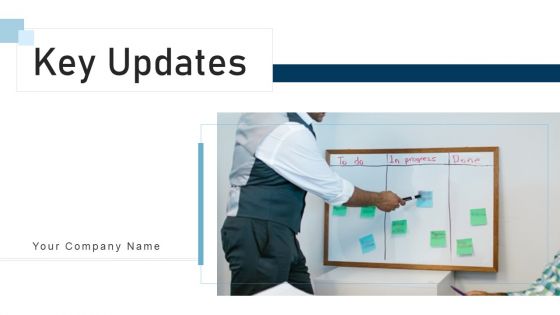
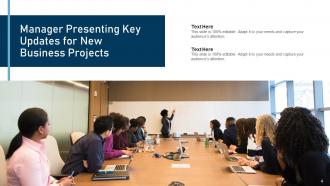
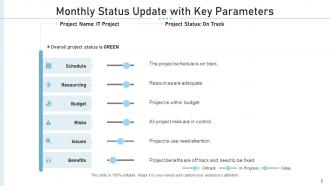
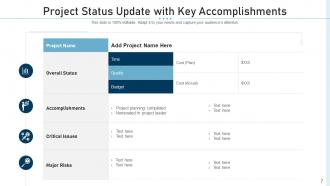
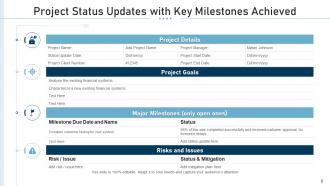
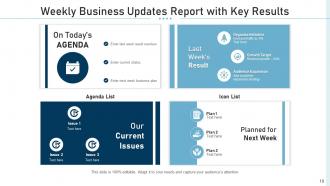
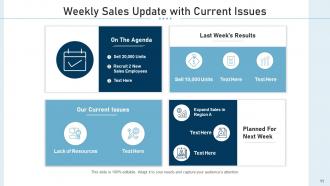
Key updates progress business projects budget risks resourcing




Try Before you Buy Download Free Sample Product
 Impress Your
 Audience
 100%
100% Editable
 Save Hours
 of Time


Our Key Updates Progress Business Projects Budget Risks Resourcing are topically designed to provide an attractive backdrop to any subject. Use them to look like a presentation pro.
People who downloaded this PowerPoint presentation also viewed the following :
Key updates progress business projects budget risks resourcing with all 12 slides:
Use our Key Updates Progress Business Projects Budget Risks Resourcing to effectively help you save your valuable time. They are readymade to fit into any presentation structure.

FAQs for Key updates progress business projects
Honestly, start with nailing down your scope and timeline - that's where most projects go off the rails. You need solid communication channels and clear roles so people aren't duplicating work or dropping the ball. Resource allocation matters big time, and don't even get me started on risk management (I've been burned by not planning for the inevitable disasters). Regular check-ins keep everyone on track. Oh, and get your project charter locked down first with actual measurable goals - sounds boring but it's literally the foundation everything else builds on. Track progress religiously or you'll be scrambling later.
Honestly, methodology choice can totally make or break everything. Got clear requirements that won't change? Waterfall's your friend - perfect for compliance stuff or construction where you can't just change direction mid-stream. But if you're dealing with uncertainty or need constant client input, go Agile. Software dev, marketing campaigns, that kind of thing. Here's what bugs me though - so many companies just stick with whatever they've "always done." Bad move. You need to actually look at your project first. Do you need structure and predictability, or flexibility to pivot? Trust me, pick wrong and you'll either be way too rigid or complete chaos.
Dude, stakeholder engagement can literally make or break your project. First thing - map out everyone who's got skin in the game or could mess with your plans. Sponsors, users, your team, even the people who'll hate the changes you're making. I swear, half the project disasters I've witnessed happened because someone missed a key person who came out of nowhere to shut everything down. Keep everyone in the loop from day one. Regular updates are your friend here. Oh, and actually listen to their concerns - don't just check boxes. Trust me, surprises at the end aren't the fun kind.
Think of it like a three-legged stool - mess with one leg and the whole thing wobbles. First thing I'd do is split your requirements into "absolutely need this" versus "would be cool to have." When people start asking for more stuff (and oh boy, they will), show them exactly what it'll cost in time or money. Extra features? Cool, but we're either pushing the deadline or you're paying more. I learned the hard way to write this stuff down - otherwise you'll be having the same argument every week. A simple chart works wonders. Shows them the real trade-offs and makes them pick.
Track your budget variance, timeline, and scope completion first - that's the bread and butter stuff. Quality metrics like defect rates and stakeholder satisfaction are huge too. But honestly? Don't just stare at spreadsheets all day. Team morale and whether you actually fixed the real problem matter way more than people think. Client feedback tells you if you're on the right track. Oh, and set up some kind of dashboard early - trust me on this one. You don't want to be digging through random files when someone asks how things went.
Honestly, just bake it into your planning from the start - don't try to slap it on later. During initial scoping, think about what could go wrong: resource issues, tech problems, difficult stakeholders. Build buffer time and backup plans right into your timeline and budget. I've watched way too many PMs get burned by treating this stuff as an afterthought. Set up a risk register early on and actually review it with your team regularly. Not just when everything's falling apart, you know? Make it part of your standard planning meetings. Short sentences work better here - keeps everyone focused on what matters.
Honestly? First thing I do is list out all the tasks and figure out what's gotta happen before other stuff can start. Then I work backwards from my deadline - but here's the thing, I always add extra time because something inevitably gets messed up. Gantt charts are great if you're fancy, but a basic spreadsheet works too. Get your team involved when you're estimating timelines since they actually know how long things take. Mark those big stakeholder meetings and decision points. Oh, and don't treat it like it's set in stone - you'll need to tweak it constantly.
Honestly, good communication is what makes or breaks team collaboration. People need to know what's happening, when stuff is due, and what you expect from them. I've seen teams fall apart just because nobody knew what anyone else was doing - it's painful to watch. Being upfront about problems actually makes people want to help more, not less. Regular updates and check-ins keep everyone in the loop instead of working alone in their corner. Oh, and definitely err on the side of overcommunicating at first. You can always tone it down once you find your rhythm.
Okay so first grab a project management thing - Asana, Monday, Trello, whatever. Seriously, teams spend forever picking the "perfect" one when they're all pretty similar. Just pick one already! Then you need Slack or Teams for chatting, Google Drive for files, and some basic time tracker. Oh and a calendar app for deadlines obviously. Here's the thing though - stick to like 3-4 tools max or your team will be juggling a million different logins. The real trick isn't finding the fanciest tools, it's getting everyone to actually use the same ones consistently.
Honestly, you've got to be super clear about expectations right from the start - like, what does "finished" actually mean for each thing? Set real deadlines and write it all down so nobody can claim confusion later. Regular check-ins work way better than hovering over people's shoulders (learned that the hard way). When someone admits they screwed up early, praise them for it. Sounds weird but that's exactly what you want. Oh, and don't be one of those managers who acts perfect - own your mistakes and show how you fix them. That's how you actually get people to be accountable.
Honestly, you've gotta overcommunicate like crazy with remote teams. Daily standups are clutch for staying aligned on what everyone's doing. I'd set up Slack or Trello so work isn't happening in some black hole - knowing what your teammates are actually working on solves like half the problems right there. Figure out your communication rules early. What needs a quick Slack message vs a full meeting? How fast should people respond to stuff? Time zones are annoying but you can rotate meeting times so it's not always the same person getting screwed. Oh, and don't skip the casual chat - start calls with random conversation for a few minutes. You lose all that office small talk otherwise.
Look, most people bolt straight to the next project without looking back - huge mistake. You need those 30 minutes after wrapping up to figure out what actually worked vs what you thought would work. Otherwise you're just repeating the same screwups over and over. I've seen teams nail their timeline estimates once they started tracking patterns in these reviews. Document the lessons while everything's still fresh in your head, then build templates from what you learn. Resource problems, team dynamics, all that stuff becomes way more obvious when you actually sit down and think about it afterward.
Honestly, scope creep will probably drive you insane - clients always want "just one tiny thing" added midway through. Also watch out for unrealistic deadlines, bad communication, and not having enough resources. My advice? Get everything in writing upfront, especially the project scope. Build buffer time into your timeline because something always goes wrong. Set up regular check-ins with everyone so you're not flying blind. Oh, and don't wait around hoping problems will magically fix themselves - tackle issues the second they pop up. Trust me on that one.
Honestly, proper project management can totally save your change initiative from turning into a complete mess. I've watched so many companies try to "transform" without any real structure and it's painful to see. You need someone tracking milestones and keeping everyone on the same page - otherwise people just get lost in the chaos. Map out your timeline first with actual deadlines, not just vague goals. Communication plans are huge too. Assign clear owners for different pieces so nobody's sitting around wondering whose job something is. Celebrate the small wins along the way because change is hard and people need motivation.
Okay so you definitely need both the techy stuff and people skills. Learn project management tools like Asana or Monday - that's just expected now. Data analysis helps too, though honestly I wish someone told me that earlier. But the soft skills? That's where you'll actually succeed or fail. Communication is everything since you're basically the translator between all these different teams. Problem-solving and adaptability are crucial because things change every damn day. Don't sleep on emotional intelligence either - managing team drama is like half the job sometimes. Figure out what you suck at first, then work on that.
-
Excellent work done on template design and graphics.
-
Excellent design and quick turnaround.
-
Appreciate the research and its presentable format.
-
The content is very helpful from business point of view.
-
Very unique and reliable designs.