

Kuwait country powerpoint flags




Try Before you Buy Download Free Sample Product
 Impress Your
 Audience
 100%
100% Editable
 Save Hours
 of Time


Don't miss a chance to make a great first impression. Using Kuwait Country Powerpoint Flags from the start will help you control the conversation from the start.
People who downloaded this PowerPoint presentation also viewed the following :
Kuwait country powerpoint flags with all 11 slides:
Our Kuwait Country Powerpoint Flags will back you to the hilt. They will establish your depth of understanding.
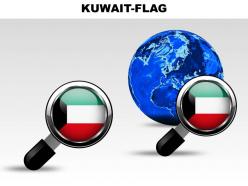
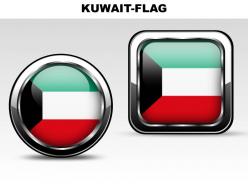
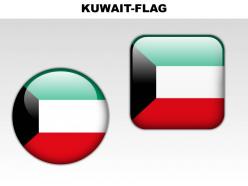
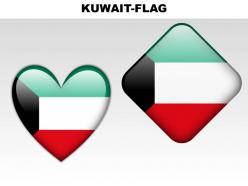
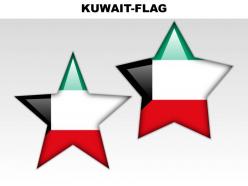
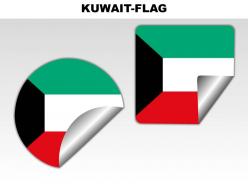
FAQs for Kuwait
The Kuwait flag was adopted in 1961 upon independence from Britain, with colors rooted in pan-Arab symbolism and traditional Arabic poetry. The black, white, green, and red represent different historical periods and virtues in Arab culture, with the design reflecting Kuwait's commitment to Arab unity while establishing its distinct national identity in an increasingly interconnected regional landscape.
The Kuwait flag's colors represent fundamental Arab values and national identity, with black symbolizing defeat of enemies, white representing noble deeds, red signifying battlefield courage, and green reflecting fertile lands and prosperity. These traditional Pan-Arab colors connect Kuwait to broader regional heritage while reflecting the nation's commitment to honor, peace, bravery, and growth, ultimately reinforcing cultural unity and national pride.
Kuwait's flag design was influenced by its 1961 independence from British protectorate status, the Arab Revolt heritage, and its emergence as a sovereign nation in the Gulf region. The flag incorporates Pan-Arab colors representing Arab unity and liberation movements, while reflecting Kuwait's strategic position as an oil-rich nation seeking to establish its distinct national identity among neighboring Arab states.
The Kuwait flag features a distinctive horizontal design with black, white, red, and green stripes plus a black trapezoid, contrasting sharply with neighboring countries' vertical arrangements and different color combinations. While Saudi Arabia displays Arabic script on green, and UAE uses vertical red, green, white, and black bands, Kuwait's unique horizontal layout with its prominent trapezoid creates immediate visual distinction in the Gulf region.
The Kuwait flag serves as the central symbol during National Day, Liberation Day, and Independence Day celebrations, displayed prominently across government buildings, schools, and public spaces throughout the country. During these commemorations, the flag enhances national unity and cultural identity, with citizens incorporating its distinctive colors into parades, ceremonies, and community gatherings, ultimately strengthening patriotic connections.
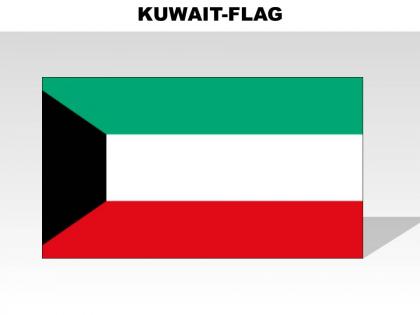
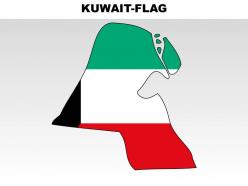
Kuwait's flag features horizontal stripes in green, white, and red, with a black trapezoid extending vertically from the hoist side. The green represents fertility and Kuwait's land, white symbolizes peace and purity, red signifies the blood of enemies, and black represents Kuwait's defeat of foes, with this design reflecting the nation's historical resilience and values.
The Kuwait flag serves as the primary symbol in government ceremonies, diplomatic missions, state visits, and official buildings, representing national sovereignty and identity. Through protocol requirements at embassies, ministerial meetings, and international summits, Kuwait demonstrates its constitutional authority and cultural heritage, while enhancing diplomatic relations and projecting national unity across governmental operations.
Kuwait flag display regulations include proper positioning above other flags except equal-level diplomatic flags, prohibition of ground contact, nighttime illumination requirements, and respectful handling during ceremonies. Government buildings, educational institutions, and public spaces must follow specific protocols for raising, lowering, and maintaining the flag, with violations carrying legal penalties under Kuwait's national symbols protection laws.
The Kuwait flag reflects Arab identity through its pan-Arab colors—black, white, red, and green—which symbolize shared heritage across Arab nations, with black representing defeats overcome, white symbolizing deeds, red indicating battlefields, and green reflecting fertile lands. This strategic design choice connects Kuwait to the broader Arab world while maintaining national distinctiveness, with many Middle Eastern countries finding that such symbolic representation enhances cultural diplomacy and regional solidarity.
Common misconceptions about the Kuwait flag include confusing its colors with other Arab nations, assuming it's purely religious symbolism, believing it hasn't changed since independence, and thinking the design lacks meaning. While Kuwait's flag shares Pan-Arab colors with neighboring countries, each stripe represents specific national values like unity, peace, and dignity, with the design officially adopted in 1961, ultimately reflecting Kuwait's distinct cultural identity and sovereignty.
The Kuwait flag is ceremonially hoisted daily at government buildings, schools, and public institutions, with special protocols observed during national holidays like Liberation Day and Independence Day. These ceremonies occur regularly across ministries, educational facilities, and military installations, with many institutions finding that consistent flag protocols enhance national unity and civic pride in Kuwait's increasingly prominent regional position.
Kuwait's official flag guidelines specify precise proportions of 2:3 ratio, with horizontal stripes in green, white, and red from top to bottom, plus a black trapezoid at the hoist side. These specifications ensure consistent representation across government buildings, educational institutions, and commercial displays, with many organizations finding that adherence to official dimensions enhances national identity and ceremonial dignity.
International laws and conventions governing the Kuwait flag include the Vienna Convention on Diplomatic Relations, UN protocols for flag display, maritime regulations, and Olympic Committee guidelines for sporting events. These frameworks establish diplomatic immunity for Kuwaiti missions, proper flag etiquette in international venues, and maritime identification protocols, ultimately ensuring Kuwait's national sovereignty receives appropriate recognition and respect in global diplomatic, commercial, and cultural exchanges.
Modern Kuwaiti flag interpretations include contemporary paintings incorporating the tricolor design, digital art installations, sculptural works featuring flag motifs, calligraphy pieces blending Arabic text with flag colors, and architectural elements in public buildings. These artistic expressions enhance cultural identity and national pride, with many galleries, museums, and cultural institutions finding that flag-inspired artworks resonate strongly with both local audiences and international visitors.
The Kuwait flag appears in regional films, documentaries about Middle Eastern politics, international sporting events, and contemporary Arab art installations celebrating Gulf heritage. Through digital media, artistic exhibitions, and cultural festivals, the flag serves as a symbol of national identity in global contexts, with many artists incorporating its distinctive colors into works exploring regional unity, ultimately enhancing Kuwait's cultural visibility internationally.
-
Thanks for all your great templates they have saved me lots of time and accelerate my presentations. Great product, keep them up!
-
Content of slide is easy to understand and edit.