

Lean Production Powerpoint PPT Template Bundles





Try Before you Buy Download Free Sample Product
 Impress Your
Audience
 100%
Editable
 Save Hours
of Time


Our Lean Production Powerpoint PPT Template Bundles are topically designed to provide an attractive backdrop to any subject. Use them to look like a presentation pro.
People who downloaded this PowerPoint presentation also viewed the following :
Lean Production Powerpoint PPT Template Bundles with all 17 slides:
Use our Lean Production Powerpoint PPT Template Bundles to effectively help you save your valuable time. They are readymade to fit into any presentation structure.






FAQs for Lean Production Powerpoint
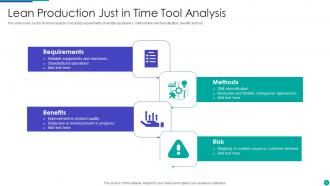
Lean production's core principles include eliminating waste, continuous improvement, just-in-time delivery, employee empowerment, and value stream optimization. These principles streamline operations across manufacturing, healthcare, and financial services by reducing inventory costs, minimizing defects, and enhancing workflow efficiency, ultimately delivering faster customer response times and improved competitive advantage.
Lean production differs from traditional mass production by emphasizing continuous improvement, waste elimination, and flexible just-in-time manufacturing, rather than large batch processing and inventory stockpiling. While mass production focuses on maximizing output volume, lean methodologies streamline operations through demand-driven scheduling, quality integration, and resource optimization, ultimately delivering reduced costs, faster response times, and enhanced customer satisfaction across manufacturing sectors.
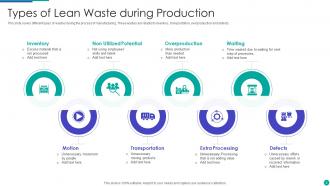
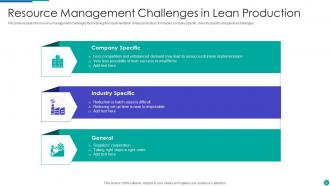
Waste reduction serves as the foundation of lean production success by eliminating non-value-added activities, optimizing resource allocation, and streamlining operational workflows throughout manufacturing processes. By systematically identifying and removing inefficiencies, organizations enhance productivity, reduce costs, and improve quality control, with many manufacturers finding that strategic waste elimination ultimately delivers faster production cycles and increased competitive advantage.
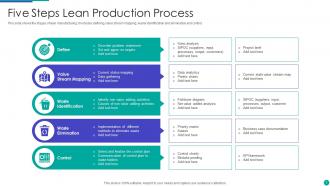
Organizations effectively implement lean production practices by establishing cross-functional teams, conducting value stream mapping, implementing 5S workplace organization, training employees in continuous improvement methodologies, and creating standardized processes. Manufacturing companies, healthcare systems, and service organizations streamline operations through waste elimination, reduced lead times, and enhanced quality control, ultimately delivering improved operational efficiency and competitive advantage in increasingly demanding markets.
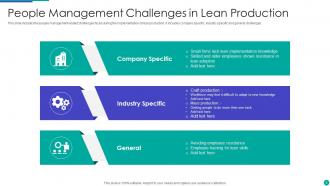
Common lean transformation challenges include employee resistance to change, inadequate leadership support, insufficient training, unrealistic timeline expectations, and failure to sustain improvements long-term. These obstacles can be overcome through comprehensive change management programs, executive commitment demonstration, and systematic employee education, with many manufacturing organizations finding that phased implementation approaches, regular progress monitoring, and celebrating early wins ultimately deliver stronger buy-in and lasting operational efficiency gains.
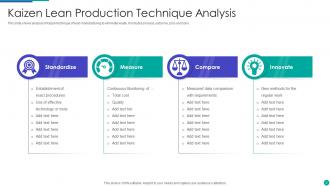
Kaizen serves as the foundational philosophy driving lean production's systematic waste elimination, empowering employees at all levels to identify inefficiencies, suggest improvements, and implement incremental changes daily. Through regular gemba walks, suggestion systems, and cross-functional teams, manufacturers like Toyota and Honda continuously optimize processes, reduce defects, and enhance operational efficiency, ultimately delivering sustained competitive advantage.
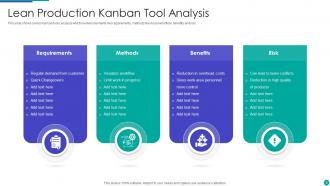
Essential lean production tools include value stream mapping, 5S workplace organization, kanban systems, poka-yoke error prevention, and continuous improvement (kaizen) methodologies. These techniques streamline operations by eliminating waste, reducing inventory costs, and improving quality control, with manufacturing companies finding that strategic implementation ultimately delivers faster production cycles and enhanced competitive advantage.
Lean production enhances product quality through continuous improvement processes, standardized work procedures, error detection systems, and employee empowerment in quality control. By eliminating waste and streamlining operations, manufacturers deliver more consistent products with shorter lead times, ultimately improving customer satisfaction through reliable delivery schedules and responsive service.
Technology supports lean production through automated manufacturing systems, real-time data analytics, IoT sensors for equipment monitoring, predictive maintenance tools, and digital workflow management platforms. These technologies streamline operations by eliminating bottlenecks, reducing waste, and optimizing resource allocation, with many manufacturing organizations finding that automated quality control and data-driven decision making ultimately deliver faster production cycles and enhanced operational efficiency.
Value stream mapping is crucial for lean production as it visualizes the entire workflow from raw materials to customer delivery, identifying waste, bottlenecks, and non-value-added activities throughout the process. This strategic tool enables manufacturers to streamline operations, reduce lead times, and optimize resource allocation, with many automotive and electronics companies finding that comprehensive mapping delivers significant cost reductions and enhanced operational efficiency.
Organizations should measure lean production success through key performance indicators including waste reduction percentages, cycle time improvements, defect rates, inventory turnover, and employee productivity metrics. These measurements enable manufacturers and service providers to track operational efficiency gains, cost savings, and quality improvements, with many finding that regular monitoring of these metrics ultimately delivers sustained competitive advantage and continuous improvement momentum.
Yes, lean production principles translate effectively to service industries through waste elimination, process standardization, continuous improvement, and customer value focus. Service organizations like banks, hospitals, and retail companies streamline operations by reducing wait times, minimizing paperwork redundancies, and optimizing staff workflows, ultimately delivering faster customer service, lower operational costs, and enhanced customer experiences while maintaining quality standards.
Toyota's automotive manufacturing pioneered lean production through just-in-time delivery, continuous improvement, and waste elimination, revolutionizing global manufacturing standards. Companies like Dell streamlined computer assembly, Amazon optimized warehouse operations, and Boeing enhanced aircraft production by implementing kanban systems, reducing inventory costs, and accelerating delivery times, ultimately delivering significant competitive advantages across industries.
Leadership drives lean production initiatives by establishing clear vision, securing necessary resources, and fostering a culture of continuous improvement across all organizational levels. Effective leaders champion change management, empower employees to identify waste and inefficiencies, while providing training and support, with many manufacturing organizations finding that strong leadership commitment ultimately delivers sustained operational excellence and competitive advantage.
Employee training and engagement significantly impact lean production sustainability by building competency in waste identification, continuous improvement methodologies, and problem-solving techniques. Well-trained, engaged employees drive innovation through kaizen initiatives, maintain quality standards more consistently, and adapt more readily to process changes, with many manufacturing organizations finding that empowered teams sustain lean practices long-term while delivering reduced costs and enhanced operational efficiency.
-
Every time I ask for something out-of-the-box from them and they never fail in delivering that. No words for their excellence!
-
Appreciate the research and its presentable format.