

Machine Driven Automation Powerpoint PPT Template Bundles





Try Before you Buy Download Free Sample Product
 Impress Your
Audience
 100%
Editable
 Save Hours
of Time


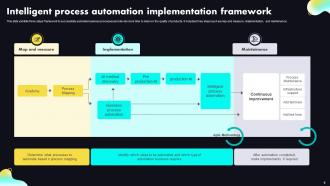
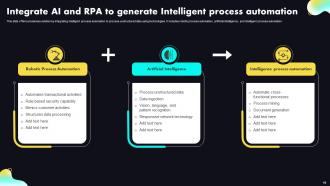
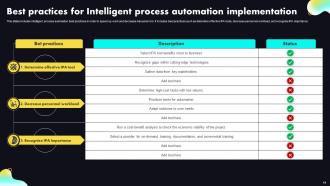
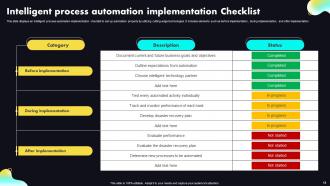
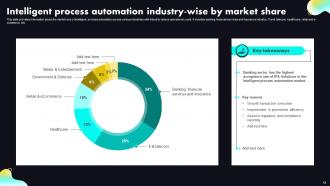
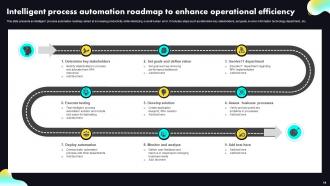
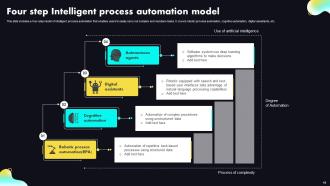
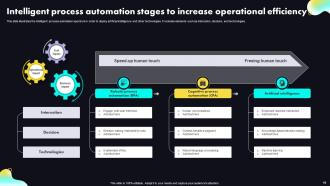
Introducing our cutting-edge PPT on Intelligent Process Automation, a game-changing resource that explores the transformative power of automation technologies. This comprehensive presentation provides realms of intelligent automation, hyper-automation, digital process automation, and cognitive automation. Discover how these advanced technologies revolutionize business processes, driving efficiency, accuracy, and productivity.
People who downloaded this PowerPoint presentation also viewed the following :
Machine Driven Automation Powerpoint PPT Template Bundles with all 25 slides:
Use our Machine Driven Automation Powerpoint PPT Template Bundles to effectively help you save your valuable time. They are readymade to fit into any presentation structure.







FAQs for Machine Driven Automation Powerpoint
Key benefits of implementing machine automation in manufacturing include enhanced productivity, improved quality control, reduced operational costs, increased safety, and greater scalability. These technologies streamline production processes by minimizing human error, accelerating throughput, and enabling 24/7 operations, with many manufacturing companies finding that automation ultimately delivers significant competitive advantage and faster return on investment.
Machine automation technologies enhance productivity and efficiency by streamlining repetitive tasks, reducing human error, and enabling continuous operations without breaks or downtime. These systems revolutionize manufacturing, logistics, and service delivery by accelerating production cycles, minimizing resource waste, and optimizing workflow management, ultimately delivering faster output and significant cost reductions for organizations.
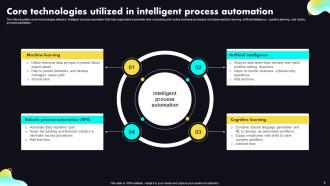
Artificial intelligence serves as the cognitive backbone of modern machine automation systems, enabling predictive maintenance, adaptive control, real-time optimization, and autonomous decision-making capabilities. Through machine learning algorithms and neural networks, manufacturing facilities, logistics centers, and processing plants achieve significantly reduced downtime, enhanced quality control, and streamlined operations, ultimately delivering competitive advantages and operational efficiency.
Small businesses can leverage machine automation through customer service chatbots, inventory management systems, automated accounting software, social media scheduling tools, and email marketing platforms. These technologies streamline operations by reducing manual tasks, minimizing errors, and optimizing resource allocation, with many small retailers and service providers finding that automation enables faster customer responses, lower operational costs, and ultimately competitive positioning against larger enterprises.
Machine automation presents challenges including job displacement, high implementation costs, cybersecurity vulnerabilities, system integration complexities, and employee resistance to change. While these concerns require strategic planning, many organizations find that phased implementation, workforce retraining programs, and robust security protocols enable them to minimize risks while achieving operational efficiency and competitive advantage.
Machine automation transforms workforce dynamics by eliminating routine tasks, creating new technical roles, requiring reskilling initiatives, and shifting focus toward creative and strategic responsibilities. While manufacturing, healthcare, and financial services see significant operational changes, many organizations find that automation enhances human capabilities rather than simply replacing workers, ultimately delivering higher productivity and more engaging job functions.
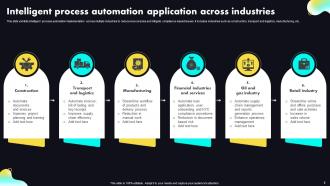
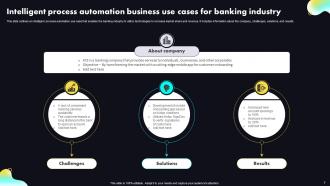
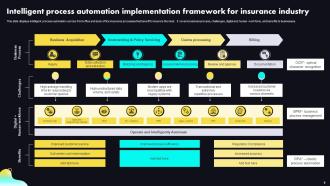
Different industries leverage machine automation through sector-specific applications, with manufacturing using robotic assembly lines, healthcare implementing automated diagnostic systems, banking deploying algorithmic fraud detection, and retail utilizing automated inventory management and checkout systems. These tailored implementations enable organizations to streamline operations, reduce labor costs, and enhance service quality, ultimately delivering competitive advantages specific to each industry's operational requirements.
Latest trends in machine automation technology include AI-driven predictive maintenance, collaborative robotics, edge computing integration, digital twin implementations, and autonomous quality control systems. These technologies enhance operational efficiency by reducing downtime, streamlining production workflows, and enabling real-time decision-making, with manufacturing and logistics companies finding that strategic automation delivers significant cost reductions and competitive advantages.
Businesses can assess automation readiness by evaluating current processes, technological infrastructure, workforce capabilities, financial resources, and organizational change management capacity. Through comprehensive audits, many companies identify specific departments like manufacturing, customer service, or data processing where automation delivers immediate efficiency gains, reduced operational costs, and improved scalability while maintaining quality standards.
Machine automation in production processes delivers significant environmental benefits including reduced energy consumption, minimized material waste, lower emissions, decreased resource usage, and optimized supply chains. These technologies enable manufacturers to streamline operations by enhancing precision, eliminating overproduction, and reducing transportation needs, with many industrial facilities finding that automated systems ultimately deliver both cost savings and sustainability goals in increasingly competitive markets.
Machine automation enhances quality control through consistent monitoring, real-time defect detection, precise measurement systems, and standardized production processes. These technologies minimize human error while delivering uniform output specifications, with manufacturing sectors like automotive and pharmaceuticals finding that automated systems reduce waste, accelerate inspection cycles, and ultimately ensure superior product consistency.
Successful machine automation case studies include Amazon's warehouse robots reducing order processing time by 15 minutes, Tesla's automotive assembly lines achieving 95% automation efficiency, McDonald's self-service kiosks increasing order accuracy, and JPMorgan's document processing automation. These implementations demonstrate how strategic automation streamlines operations, reduces labor costs, and enhances customer experiences, with many organizations finding that targeted automation delivers measurable competitive advantages across industries.
Companies ensure smooth automation transitions by conducting thorough process assessments, investing in comprehensive employee training, implementing phased rollouts, and establishing clear communication channels throughout the organization. With strategic planning and change management protocols, businesses across manufacturing, finance, and healthcare find that gradual implementation minimizes disruption while maximizing adoption rates, ultimately delivering enhanced operational efficiency and sustained competitive advantage.
Essential skills for automated environments include critical thinking, complex problem-solving, emotional intelligence, adaptability, and technical literacy for human-machine collaboration. These competencies enable workers to focus on strategic decision-making, creative innovation, and relationship management while machines handle routine tasks, with many organizations finding that employees who develop these skills become increasingly valuable in driving operational efficiency and competitive advantage.
Machine automation integrates with IoT through connected sensors, real-time data analytics, predictive maintenance systems, and cloud-based monitoring platforms. This strategic combination enables manufacturers to streamline operations, minimize downtime, and enhance production efficiency, with many industrial facilities finding that IoT-enabled automation delivers significantly faster response times and reduced operational costs.
-
Fantastic and innovative graphics with useful content. The templates are the best and latest in the industry.
-
I was mind-blown by the services that SlideTeam provided me. Thanks a ton!