

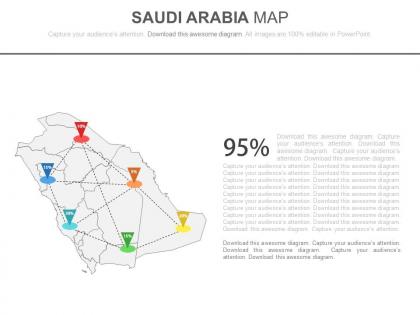
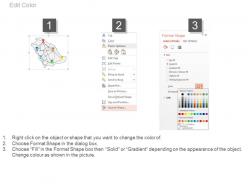
Map of saudi arabia with networking powerpoint slides




Try Before you Buy Download Free Sample Product
 Impress Your
 Audience
 100%
100% Editable
 Save Hours
 of Time


Contribute to any conclave with our Map Of Saudi Arabia With Networking Powerpoint Slides. Your clarity of expression will astound all.
People who downloaded this PowerPoint presentation also viewed the following :
Map of saudi arabia with networking powerpoint slides with all 5 slides:
Our Map Of Saudi Arabia With Networking Powerpoint Slides have the franchise. They are capable of meeting your every demand.
FAQs for Map of saudi arabia with
Saudi Arabia's networking landscape includes advanced fiber-optic infrastructure, 5G networks, data centers, cloud computing platforms, and cybersecurity frameworks. These technologies enhance digital transformation by supporting smart cities, e-government services, and fintech innovation, with sectors like banking, healthcare, and energy finding that robust connectivity delivers improved operational efficiency and competitive advantage.
Digital transformation in Saudi Arabia has revolutionized networking through advanced telecommunications infrastructure, digital platforms, smart city initiatives, and enhanced connectivity solutions. These technological advances streamline business communications, facilitate virtual collaborations, and enable real-time data sharing across sectors, with many organizations finding that improved digital networks ultimately deliver faster decision-making and competitive advantage.
Government initiatives serve as the primary catalyst for Saudi Arabia's networking transformation through Vision 2030, NEOM smart city development, digital infrastructure investments, and regulatory frameworks promoting innovation. These strategic programs accelerate telecommunications modernization, attract international technology partnerships, and establish the kingdom as a regional digital hub, ultimately delivering enhanced connectivity and competitive positioning in the global digital economy.
Cultural factors significantly influence Saudi Arabian business networking through relationship-building emphasis, respect for hierarchy, Islamic business principles, and family-oriented connections. These cultural elements shape networking by prioritizing trust development, honoring traditional protocols, and maintaining long-term partnerships, with many international businesses finding that cultural sensitivity ultimately delivers stronger market penetration and sustainable competitive advantage.
Saudi Arabia's most prevalent networking-leveraged industries include oil and gas, financial services, healthcare, telecommunications, and construction. These sectors streamline operations through advanced networking infrastructure, enabling real-time data sharing, automated monitoring systems, and enhanced customer experiences, with many organizations finding that strategic networking delivers significant operational efficiency and competitive advantage in the Kingdom's diversifying economy.
Local startups in Saudi Arabia create networking opportunities through tech incubators, industry meetups, entrepreneurship forums, government-backed accelerators, and collaborative co-working spaces. These ventures leverage platforms like TAQNIA, STV, and Vision 2030 initiatives to connect with mentors, investors, and fellow entrepreneurs, ultimately building strategic partnerships that enhance market access and accelerate business growth.
The most significant challenges facing networking in the Saudi Arabian market include infrastructure scalability across vast geographic distances, cybersecurity vulnerabilities amid digital transformation, regulatory compliance with evolving telecommunications policies, talent acquisition for specialized technical roles, and integration complexities between legacy systems and modern technologies. These challenges present both obstacles and opportunities, with many organizations finding that strategic partnerships, localized training programs, and phased modernization approaches enable enhanced operational efficiency and competitive positioning in the Kingdom's rapidly expanding digital economy.
Saudi Arabia's geographic diversity significantly impacts networking strategies through varying infrastructure densities, connectivity challenges in remote areas, and different regional economic priorities across provinces. Companies must adapt their approaches by implementing hybrid solutions combining fiber, satellite, and wireless technologies, with major urban centers like Riyadh and Jeddah requiring high-capacity networks while rural regions need cost-effective coverage solutions, ultimately enabling nationwide digital transformation.
LinkedIn dominates professional networking in Saudi Arabia, alongside regional platforms like Bayt, GulfTalent, and Naukrigulf, plus local business forums and industry-specific networks. These platforms enable Saudi professionals to connect across sectors like finance, oil and gas, and technology, while facilitating cross-border partnerships and career advancement in the Kingdom's rapidly diversifying economy.
The COVID-19 pandemic accelerated digital transformation across Saudi Arabian networking, shifting emphasis from traditional face-to-face interactions to virtual platforms, hybrid events, and digital communication channels. Organizations increasingly adopted remote collaboration technologies, online business forums, and virtual trade exhibitions, with many finding that these digital networking approaches enhance accessibility, reduce geographical barriers, and ultimately deliver broader professional connections while maintaining business continuity.
Social media serves as a crucial catalyst for professional networking in Saudi Arabia, enabling connections across industries through platforms like LinkedIn, Twitter, and specialized regional networks. These digital channels streamline relationship-building by facilitating knowledge sharing, industry insights, and cross-sector collaboration, with many Saudi professionals finding that strategic social media engagement significantly enhances career opportunities and business partnerships.
International businesses can enter Saudi Arabia's networking scene by establishing local partnerships, participating in major trade events like GITEX and Saudi Future Investment Initiative, and engaging with chambers of commerce and government entities. Through strategic relationships with local firms, attendance at sector-specific conferences, and collaboration with Saudi Vision 2030 initiatives, companies streamline market entry while building credibility, ultimately delivering enhanced market access and sustainable competitive advantage in this rapidly expanding economy.
Formal networking in Saudi Arabia involves structured business councils, chambers of commerce, government-sponsored events, and industry associations with protocol-driven interactions. Informal networking centers on family connections, tribal affiliations, personal relationships, and social gatherings like majlis sessions, where trust-building through personal bonds often delivers faster business outcomes and deeper strategic partnerships than formal channels.
Gender dynamics in Saudi Arabia present both challenges and opportunities for women's networking, with Vision 2030 driving significant workplace inclusion and professional development initiatives. Through increasing participation in business forums, professional associations, and mixed-gender conferences, women are building strategic connections across sectors like finance, healthcare, and technology, while leveraging digital platforms to enhance networking reach, ultimately delivering greater career advancement and competitive positioning in an increasingly progressive business landscape.
When networking with Saudi Arabian businesses, prioritize relationship-building through personal connections, respect for Islamic customs, and patience in developing trust-based partnerships. Cultural sensitivity around prayer times, Ramadan schedules, and formal business hierarchies enhances credibility, with many international companies finding that investing in long-term relationships, local partnerships, and understanding of Vision 2030 initiatives ultimately delivers stronger market access and competitive advantage.
-
Very unique, user-friendly presentation interface.
-
Graphics are very appealing to eyes.