


Market Intelligence Framework Powerpoint Presentation Slides





Try Before you Buy Download Free Sample Product
 Impress Your
 Audience
 100%
100% Editable
 Save Hours
 of Time


Showcase marketing insights with virtual proficiency by using Market Intelligence Framework Powerpoint Presentation Slides. This market assessment PPT slideshow is perfect for those looking to expand into foreign markets. Demonstrate the market to be penetrated using industry-best graphical representations. This market research PowerPoint presentation helps your audience in developing a better understanding of different market landscape components. Employ a Venn diagram to elucidate the market relevance, market opportunity, and market fit. Use this PPT theme to explain market opportunity analysis and product opportunity evaluation. Communicate the attractiveness of the market through Ansoff's Matrix featured in this market study PowerPoint layout. Encourage better business decisions with the help of competitive intelligence. Our intuitive PPT format comes in handy for astute management professionals and marketers to represent market investigation virtually. You can easily nail last-minute business conferences and offer profound market knowledge. Smash the download button to begin instant personalization. Our Market Intelligence Framework Powerpoint Presentation Slides are explicit and effective. They combine clarity and concise expression.
People who downloaded this PowerPoint presentation also viewed the following :
Content of this Powerpoint Presentation
Slide 1: This slide introduces Market Intelligence Framework. State Your Company name and begin.
Slide 2: This slide displays Presentation Outline.
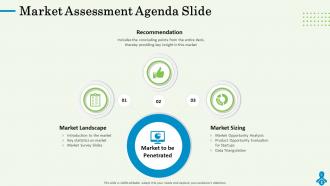
Slide 3: This is Market Assessment Agenda Slide
Slide 4: This slide displays Introduction.
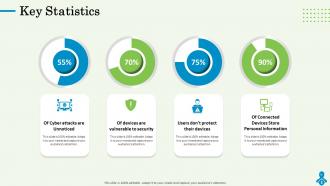
Slide 5: This slide displays Key Statistics.
Slide 6: This slide shows Market Survey. Add Your Key Takeaway from this Slide
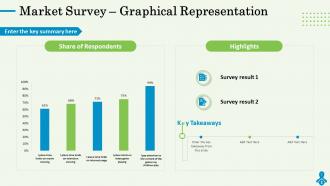
Slide 7: This slide showcases Market Survey – Graphical Representation. Enter the key summary here
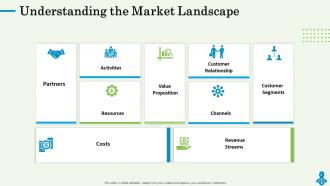
Slide 8: This slide provides information regarding Understanding the Market Landscape
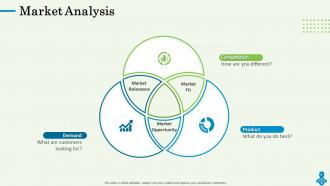
Slide 9: This slide showcases Market Analysis.
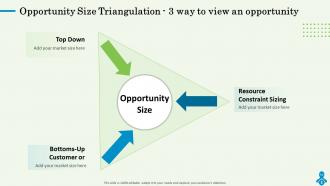
Slide 10: This slide presents Opportunity Size Triangulation - 3 way to view an opportunity
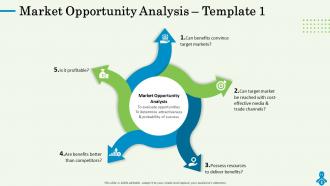
Slide 11: This slide shows Market Opportunity Analysis – Template 1
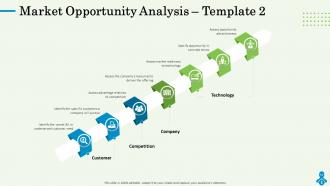
Slide 12: This slide shows Market Opportunity Analysis – Template 2
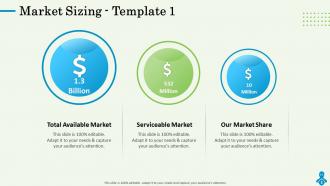
Slide 13: This slide shows Market Sizing - Template 1 displaying- Total Available Market, Serviceable Market, Our Market Share.
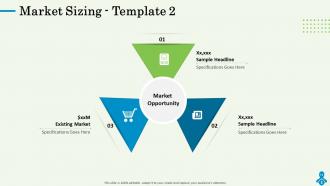
Slide 14: This slide shows Market Sizing - Template 2
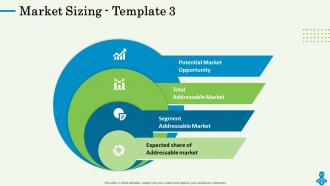
Slide 15: This slide depicts Market Sizing - Template 3 containing- Expected share of Addressable market, Segment Addressable Market, Total Addressable Market, Potential Market Opportunity.
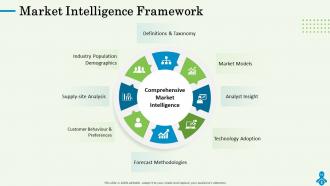
Slide 16: This slide describes Market Intelligence Framework.
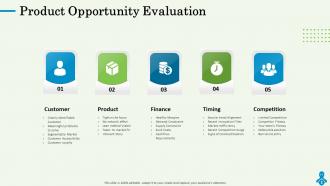
Slide 17: This slide presents Product Opportunity Evaluation.
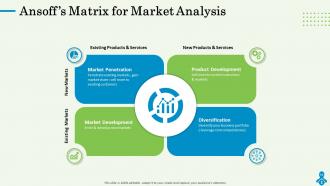
Slide 18: This slide displays Ansoff’s Matrix for Market Analysis.
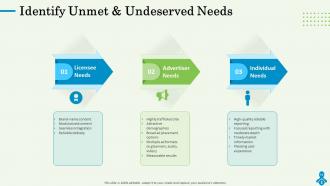
Slide 19: This slide provides information on Identify Unmet & Undeserved Needs.
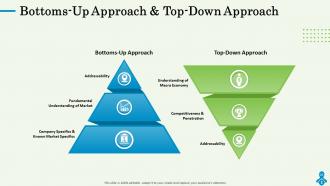
Slide 20: This slide showcases Bottoms-Up Approach & Top-Down Approach
Slide 21: This slide displays Recommendations.
Slide 22: This is Market Intelligence Framework Icons Slide.
Slide 23: This slide is titled as Additional Slides for moving forward.
Slide 24: This is Our Mission slide with Vision, Goal and Mission.
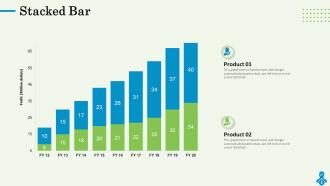
Slide 25: This slide displays Stacked Bar chart for Comparison of products.
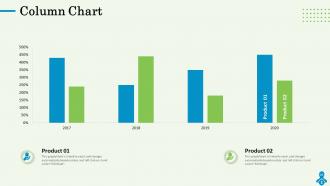
Slide 26: This slide displays Column Chart for Comparison of products.
Slide 27: This is About Us slide to showcase Company specifications.
Slide 28: This slide is titled as Post it Notes. Post your important notes.
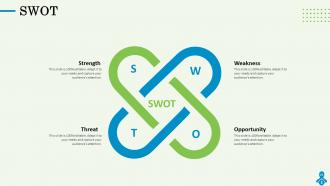
Slide 29: This slide depicts SWOT Analysis.
Slide 30: This is 30 60 90 Days Plan slide.
Slide 31: This is Our Team slide with Names and Designations.
Slide 32: This slide displays Roadmap.
Slide 33: This slide shows Magnifying Glass for highlighting important content.
Slide 34: This is Thank You slide with Contact details.
Market Intelligence Framework Powerpoint Presentation Slides with all 34 slides:
Use our Market Intelligence Framework Powerpoint Presentation Slides to effectively help you save your valuable time. They are readymade to fit into any presentation structure.







FAQs for Market Intelligence Framework
You'll need three main pieces: collecting data, analyzing it, and getting insights to people who matter. Pull from internal metrics, customer feedback, competitor research - the usual suspects. Analysis is honestly where most people screw up though, so nail down clear processes for turning data into actual recommendations. Distribution's huge too - right info, right people, right timing. Oh and definitely map out what data you already have first, then figure out your biggest gaps. No point building everything from scratch if you don't have to.
Don't make competitive analysis this isolated thing you do once in a while. Pick 3-5 main competitors and track their moves - product drops, pricing shifts, marketing stuff, what customers are saying about them. Google Alerts are honestly a lifesaver for this, plus I stalk their social accounts (in a professional way obviously lol). Here's the thing though: you can't just look at competitor data by itself. Mix it with customer feedback, industry trends, whatever regulatory stuff might be coming down the pipeline. That's how you actually predict what's next instead of just reacting. Monthly briefings keep everyone in the loop without overwhelming them.
Honestly, customer insights are what make your market data actually useful instead of just random numbers floating around. Without them, you're basically guessing why stuff happens in your market. I made that mistake before - not fun. They help you catch trends early and figure out where things are headed next. Plus you can actually validate whether your hunches are right or totally off base. Raw data becomes something you can act on. Short sentences work too. Start by figuring out which customer voices you're completely missing right now.
Honestly, the difference is night and day. Web scraping tools can grab competitor prices automatically while you sleep. Social listening tracks what people are saying about your brand across platforms. APIs pull real-time industry data that would take forever to collect manually. AI analyzes thousands of customer reviews to spot patterns - way more than you could ever read yourself. Most of this stuff runs constantly without you checking on it. I'd pick one data source that actually affects your big decisions first. Then expand from there once you've got that dialed in.
Don't put all your eggs in one basket with data - always check multiple sources. Outliers are either gold mines or total BS, so dig into those first. I've learned the hard way that flashy headlines can be super misleading. Cross-check your numbers with what the sales team is actually hearing from customers - they'll tell you what's really happening on the ground. Look at patterns over time too, not just snapshots. Oh, and write down how you analyzed everything so you can do it again later. Trust me, you'll forget your process way faster than you think you will.
Look, a market intelligence framework just stops you from making random decisions based on whatever you heard last week. You're collecting and analyzing market data consistently instead of doing competitor research whenever you remember to. Honestly, manually tracking everything is impossible anyway. The whole point is catching threats before they hit you, finding opportunities competitors missed, and not launching products at terrible times. Set up monthly team reviews or whatever works - just make it regular. Even that simple step makes your strategy way more proactive instead of always reacting to stuff.
Honestly, I'd mix primary stuff like customer interviews and surveys with industry reports and competitor sites. Social media listening is clutch though - people spill everything about why they buy things on LinkedIn and Reddit, it's wild. Government databases are boring but useful, same with trade pubs and patent filings. Don't just pick one source and call it a day - you'll get a skewed picture. Start with whatever's easiest to grab in your space, then expand from there. Oh, and financial filings can be goldmines if you know where to look.
Honestly, just start with stuff you probably already have. Google Trends is free, and you're likely getting customer feedback somehow - surveys, reviews, whatever. Social media tells you tons about what people think of your industry too. Here's the thing though - I've found that actually talking to customers beats any fancy software. Seriously. Just organize what you learn in simple spreadsheets. Track competitor prices, complaints you hear, market shifts you notice. Don't overthink the system, but be consistent about it. Pick maybe 3-5 things you'll check each month and actually stick to doing it.
Track decision speed and forecast accuracy first - basically how fast you're moving and if you're getting it right. Revenue impact matters most obviously, but also check if teams are actually using your intel. Brilliant insights collecting dust are pretty useless tbh. I'd throw in some softer stuff too like stakeholder satisfaction and whether people feel more confident making calls. Competitive response time is huge if you're in a fast-moving market. Start small with maybe 3 metrics that actually connect to business results, then build out once those are working.
So market research is basically a snapshot - you're looking at specific customer or product questions at one moment. Market intelligence? That's way broader. You're constantly watching your whole competitive landscape, industry trends, all the external stuff that could hit your business. It's like checking your pulse 24/7 instead of just during your annual physical, you know? Markets move crazy fast now, so you need those real-time insights for strategic calls. Honestly, just start with setting up alerts for your main competitors and industry keywords - boom, there's your basic intelligence system.
Build it modular so you can swap data sources and metrics easily - most frameworks die because they're too rigid from day one. Your team needs to update inputs without rebuilding everything. What you think matters now probably won't in six months, so review your signals regularly. Set up alerts for weird stuff happening. Honestly, I've seen too many companies get stuck monitoring useless metrics just because that's what they started with. Quick pivot processes are clutch. Don't make the mistake of overthinking it though - sometimes simple works better than fancy.
Look, stick to three big things: legality, transparency, and privacy. Don't do anything sketchy like industrial espionage or snooping through confidential stuff you shouldn't see. When you're interviewing people or doing surveys, be upfront about who you are. Only grab data that's public or stuff people actually want to share with you. I get it - when deadlines are breathing down your neck, it's crazy tempting to cut corners. But seriously, don't. Set your ethical rules early and don't budge on them. Trust me on this one.
Get everyone on the same page first - standardize your data sources and reporting so teams aren't arguing over different numbers. Monthly cross-functional meetings work well, pull in people from sales, marketing, product, strategy. Honestly, the trick is making it feel organic, not like another boring committee. Pick one business problem that actually matters to multiple departments and build around that. Short wins help. Make sure roles are clear too - who's collecting what intel and how it flows between teams. Once people see the value, collaboration becomes way easier.
Honestly, AI automation is where it's at right now - you can catch market shifts way faster than before. Social listening tools have gotten insanely good at picking up sentiment changes before they go mainstream. Predictive analytics isn't just for big corporations anymore either. Oh, and privacy laws are totally changing how we collect data - kind of annoying but whatever. The real game changer though? Everything's moving toward continuous intelligence instead of those old monthly reports. People's behaviors shift so quickly now that you need systems adapting in real-time. I'd start by looking at what you're still doing manually and upgrade those processes first.
Dude, visualization tools are game-changers for market data. Nobody wants to stare at endless spreadsheets. Charts and dashboards make trends pop out immediately - like, you'll spot patterns you'd totally miss otherwise. Heat maps are clutch for showing competitive positioning too. Your executives will eat this up because it makes complex stuff look simple (and yeah, makes them look good in meetings lol). Just start with whatever your team knows - even basic Excel works. Build one solid dashboard that answers their biggest questions first. The visual storytelling aspect is huge. Complex relationships suddenly make sense when you can actually see them.
-
Easily Editable.
-
Topic best represented with attractive design.
-
Helpful product design for delivering presentation.
-
Very unique and reliable designs.
-
Unique research projects to present in meeting.