


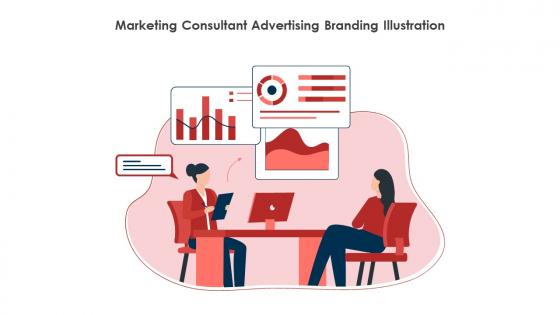
Marketing Consultant Advertising Branding Illustration




Try Before you Buy Download Free Sample Product
 Impress Your
 Audience
 100%
100% Editable
 Save Hours
 of Time


This Marketing consultant advertising branding illustration is a 100 percent editable Illustration. The downloaded file will have this Illustration in EPS, PNG and Powerpoint pptx format and is perfect for your next project. It has a simple yet stylish design.
People who downloaded this PowerPoint presentation also viewed the following :
Marketing Consultant Advertising Branding Illustration with all 6 slides:
Use our Marketing Consultant Advertising Branding Illustration to effectively help you save your valuable time. They are readymade to fit into any presentation structure.





FAQs for Marketing Consultant
Honestly, start with figuring out exactly who you're selling to and what specific problem you're fixing for them. That's like 80% of the battle right there. Your messaging needs to stay consistent everywhere - don't confuse people by saying different things on Instagram vs your website. Pick channels where your actual customers spend time, not just where you think they should be. Oh, and here's something that trips up tons of people - don't spread your budget too thin trying to be everywhere at once. I'd rather dominate two channels than suck at five. Track your results from the start so you can ditch what's not working fast.
Honestly? Stop spreading yourself too thin across every platform. Find 2-3 where your people actually are and stick to those. Mix up your content - behind-the-scenes stuff works way better than just product shots (seriously, so many brands mess this up). Respond to comments fast since it's supposed to be social media, not a billboard. Oh, and hashtags help but don't go crazy with like 20 of them. I'd start by looking at what you're doing now and making a simple content calendar. Keep it realistic though - better to post less consistently than burn out after two weeks.
Okay so market segmentation is just splitting your audience into different groups instead of treating everyone the same. You can group by age, behavior, what they actually need - whatever clicks for your thing. Then you talk to each group differently. Like, you wouldn't pitch to new moms the same way you would to twentysomething guys, right? Once I started doing this properly it was night and day. Your messages actually land instead of feeling like spam everyone ignores. Honestly just pick your top 2-3 customer types first and make separate campaigns. Don't overcomplicate it.
Think of analytics as your GPS for marketing - no more driving blind and hoping for the best. You'll actually see which campaigns bring in real money, not just vanity metrics. Honestly, the patterns you discover are wild... like how your email opens completely die on Fridays (seriously, who checks work emails then?). It also helps you spot your goldmine customers and test stuff before you blow your budget. My advice? Pick one revenue-focused metric first. Track it obsessively for a month. You're gonna find some surprising insights, trust me.
Honestly, video and email sequences are where it's at right now. Short-form stuff works everywhere - TikTok format gets crazy engagement even on LinkedIn which still surprises me. For lead gen though, you want longer educational content like guides or webinars. Interactive things like polls actually work because people don't just scroll past them. I'd pick one video format you can actually stick with consistently, then build your email follow-ups around that same content. Way more efficient than starting from scratch every time.
So basically, people don't actually buy with their brains - they buy with their feelings. Like, you're not choosing Nike because their shoes are objectively better. You're buying into that whole "just do it" empowerment thing. Same with Apple making you feel like you're part of some exclusive club (even though let's be real, everyone has an iPhone now). The trick is figuring out what emotion you want people to associate with your brand. Could be nostalgia, belonging, aspiration - whatever fits. Then you've gotta be consistent about it everywhere. Hit those emotional buttons and people will choose you over competitors with identical products.
Honestly, personalization is everything - nobody wants to feel like they're getting a mass blast. Your subject lines should grab attention without being those cringe "URGENT!!!" things that scream spam. Segment your list so you're actually sending relevant stuff to people who care about it. Test different send times too, makes a huge difference. And please, clean your list regularly by ditching inactive subscribers. Always include an easy unsubscribe button - trust me on this one. Most importantly? Every email needs to provide real value, whether that's exclusive content, discounts, or actually useful insights. Start A/B testing your subject lines this week.
Honestly, influencer partnerships can be game-changers if you pick the right people. You want someone whose vibe actually matches yours - when their followers trust them, it's basically like getting vouched for by a mutual friend. Don't sleep on micro-influencers either; they usually get way better engagement than those massive celebrity accounts (probably because their audience actually cares). But here's the thing - if it feels fake or forced, you're screwed. People can smell inauthenticity from miles away. Try building real relationships instead of just paying for random posts.
Look, you need both top and bottom funnel stuff to actually understand what's happening. Website traffic, conversion rates, cost per lead - that's your bread and butter. Then track engagement like email opens and social media interactions. Revenue stuff matters too: customer acquisition cost, lifetime value, ROAS. Here's the thing though - don't go overboard trying to measure everything or you'll lose your mind. Pick maybe 3-5 metrics that actually connect to your goals. I learned this the hard way when I was drowning in spreadsheets for no reason. Basic rule: if tracking something doesn't help you make smarter choices, just drop it.
Dude, AI is literally everywhere now - ChatGPT's just the start. Everyone expects personalized stuff these days, so your marketing can't be generic anymore. Third-party cookies are basically dead, which means privacy-first approaches matter way more. Video content is still exploding too, obviously. Voice search is getting huge but nobody talks about it much - smart speakers aren't going anywhere. Honestly, you should mess around with AI tools for content creation now. Even small experiments will put you miles ahead of people still doing everything the old way. Trust me on this one.
Look, people remember stories way better than boring feature lists - like 22x better actually. It's crazy how our brains work that way. Instead of just telling someone your product does X, Y, Z, show them through a real customer's experience. Makes everything feel less salesy, you know? Your company's origin story works great too, or even random behind-the-scenes stuff that shows your personality. I swear, anything that helps people picture themselves in the story will stick with them. We've been wired for storytelling since forever - might as well use it!
Honestly, just don't be shady with people. Be transparent about pricing and what you're actually selling - I've watched so many brands crash and burn trying to pull fast ones on customers. Respect people's data too, that stuff matters more than companies think. Also maybe don't target like, struggling college kids with predatory loan ads? Basic human decency goes a long way. My rule is pretty simple: would I be annoyed if someone marketed to me this way? If yes, don't do it. Take a hard look at your current stuff through that filter.
Dude, you can't just translate your ads and expect them to work everywhere - that's marketing suicide. Colors mean different things, humor doesn't translate, and what's cool here might be totally offensive there. McDonald's gets this right though - they do rice burgers in Asia and way more veggie stuff in India because they actually pay attention to local preferences. Your whole approach needs to change: messaging, visuals, pricing, sometimes even the product itself. Religious stuff matters too. Honestly, just do your homework on cultural taboos before you launch anything. Save yourself the embarrassment.
So traditional stuff like billboards and TV ads? Super expensive but people trust them more - especially older folks. You can't really track if they're working though, which sucks. Digital's the opposite - cheap, you can see exactly what's happening, and target whoever you want. But honestly, everyone's doing digital now so it gets crazy competitive. Plus you're constantly tweaking things to keep up. My take? Most businesses do best mixing both, depending on who they're trying to reach. Like, my mom still reads newspapers but my brother only sees Instagram ads.
Honestly, you've got something big companies don't - speed and that personal touch. They're stuck in endless meetings while you can pivot tomorrow if needed. Focus on local SEO first, it's way easier to rank for "best pizza in [your town]" than compete nationally. Social media is your friend too - actually engage with people, don't just post and ghost. Partner up with other local businesses for cross-promotion (coffee shop + bookstore vibes, you know?). People genuinely want to support the little guy, especially if you've got a good story. Pick one thing and get really good at it before spreading yourself thin everywhere.
-
“I've always gotten excellent slides from them and the customer service is up to the mark.”
-
SlideTeam’s readymade presentations have landed my unique images with my bosses in the past and it continues to reward me.