

Maturity Matrix Powerpoint Ppt Template Bundles





Try Before you Buy Download Free Sample Product
 Impress Your
Audience
 100%
Editable
 Save Hours
of Time


Our Maturity Matrix Powerpoint Ppt Template Bundles are topically designed to provide an attractive backdrop to any subject. Use them to look like a presentation pro.
People who downloaded this PowerPoint presentation also viewed the following :
Maturity Matrix Powerpoint Ppt Template Bundles with all 17 slides:
Use our Maturity Matrix Powerpoint Ppt Template Bundles to effectively help you save your valuable time. They are readymade to fit into any presentation structure.









FAQs for Maturity Matrix Powerpoint
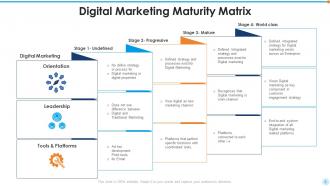
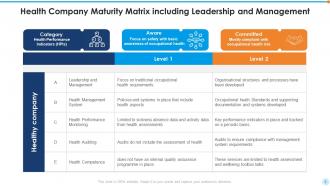
So maturity matrices have four main parts you need to think about. You've got your maturity levels - usually 3-5 stages from basic to advanced stuff. Then there's capability areas that show what parts of your org you're actually looking at. The third thing is descriptive criteria for each level. This part's honestly where everyone screws up because they get way too wishy-washy with their descriptions. Last is assessment mechanisms to figure out where you stand right now. My advice? Pick 3-5 critical areas first and nail down what each level actually looks like - way easier than trying to assess everything at once.
So basically a maturity matrix is like doing a health check on your company's digital stuff. You rate yourselves across different areas - tech infrastructure, data skills, how good people are with change, that kind of thing. Scale goes from "we're winging it" to "we've got this down to a science." What's cool is it shows you exactly where the gaps are before you waste money on fancy tools nobody knows how to use. I've seen companies blow their budget on software when their real problem was training. Use your scores to figure out what needs fixing first and set deadlines that won't kill everyone.
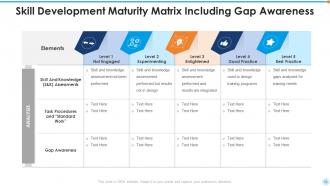
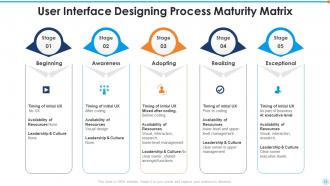
Most frameworks stick with 5 levels, though some do 3-4. Basically you've got chaos at level 1 (everything's ad-hoc), then some basic processes emerge at level 2. Level 3 means you actually documented stuff, level 4 is where you're measuring things properly, and level 5 is continuous improvement mode. The names change depending on which consultant made the framework, but whatever. Each level builds on the last one - can't skip steps unfortunately. My advice? Be brutally honest about where you're at right now. Most teams think they're higher up than they actually are.
So basically it's like a report card for your project management - shows you exactly where you're at versus where you need to be. You plot out your current skills in different areas (planning, risk stuff, communication, whatever) against these maturity levels. Honestly, it's way better than just winging it and hoping for the best. The gaps become really obvious, so you're not shooting in the dark about what's broken. Then you can focus on the big problem areas first instead of trying to tackle everything. Makes it easier to build a roadmap that actually makes sense.
Dude, you absolutely need stakeholder feedback or your matrix will be garbage. Talk to people at different levels - they'll tell you what "mature" actually means in the real world vs what sounds good on paper. I've watched so many of these things get built by people sitting at desks who never asked the folks doing the actual work. Big mistake. The pain points they mention? That's gold. Get their input while you're building it, not after. And don't just talk to the executives who asked for it - hit up the people who'll actually have to use this thing daily.
So basically you want to adjust the assessment criteria to fit your actual industry. Like, what counts as "mature" for a healthcare company is gonna be completely different than some fintech startup, you know? Start by figuring out what success actually looks like in your sector. Then tweak the capability levels and throw in industry-specific stuff - compliance requirements if you're in finance, that kind of thing. Honestly, half the matrices I've seen are pretty generic and useless. The whole point is making sure you're measuring things that actually matter for your business, not just checking boxes.
Track capability scores for each maturity level and how fast teams actually move between them. Adoption rates matter too - are people using the new practices or just pretending? Honestly though, the real test is whether business results improve. Quality, efficiency, customer satisfaction - that stuff. Numbers don't tell the whole story, so grab qualitative feedback about culture shifts and team readiness. Set your baselines first across each domain, then check progress monthly or quarterly. Oh, and don't obsess over perfect data - sometimes gut feel from the trenches is just as valuable.
Honestly? Every 6-12 months is usually good, but it totally depends on your company's pace. If things are changing fast or you're in some major transition, maybe check quarterly instead. I've watched teams completely forget theirs exists for like 2+ years - then they're shocked when it feels useless. Don't be those people! Treat it more like a living doc you actually use. Set up regular check-ins to see how you're doing, tweak the criteria when you learn new stuff, update your roadmap. Seriously though, put a recurring reminder in your calendar right now or you'll definitely forget.
Don't try to assess everything at once - your team will hate you and the data will be useless. Pick one area first. Honestly, I've watched so many teams get obsessed with hitting the top maturity level right away. They skip basics and build these fancy processes that just fall apart later. Generic criteria are another mistake - what looks "mature" for a bank isn't the same for a startup. Customize it to your world. Oh, and slow progress beats no progress. Those dramatic jumps between levels? They don't stick.
A maturity matrix basically shows you where you're at versus where you need to be - cuts through all the guesswork in strategic planning. You'll see exactly which gaps are screwing you over and can actually prioritize your investments smartly. Way better than just throwing money at problems and hoping something sticks. Plus it helps with benchmarking against competitors and setting realistic timelines. My old boss used to hate these things because they made it obvious we were behind in like three major areas lol. Start by rating your critical capabilities honestly, then let those gaps drive your planning. It's pretty straightforward once you get going.
Excel or Google Sheets are honestly your best bet to start - super familiar and you can tweak everything. Most people begin there anyway. If you need fancier visuals later, Tableau and Power BI are solid choices. Visio works well for process mapping stuff too. Oh, and SurveyMonkey's actually pretty useful for gathering the maturity data from people, then you just dump it into your analysis tool. Miro and Lucidchart are decent for when you're working with a team on building it out. My advice? Don't overthink it initially. Start with a basic spreadsheet, see what you actually need, then upgrade if it gets complicated.
So here's the thing - maturity matrices give everyone the same vocabulary for talking about their actual skills. No more marketing claiming they're "pretty good" at data while IT rolls their eyes thinking they're total beginners. You'll spot team gaps way faster this way. The cool part? Departments that are killing it in certain areas can help coach the others. IT might crush automation while sales owns customer insights - honestly makes way more sense than guessing. Cross-functional projects actually work when you know real skill levels upfront. Just get each team to rate themselves using the same framework first.
Microsoft's probably the best example - they completely overhauled their security after getting hacked and used maturity matrices as their roadmap. Toyota's done something similar with manufacturing for years, which explains why their cars are so reliable. The NHS used one too for their digital transformation across hospitals. What I find interesting is these companies don't just use them to assess where they are. They actually follow them step-by-step for improvement. Microsoft was really open about their process if you want to dig deeper - they shared tons of details about how they did it.
So the maturity matrix is basically your game plan for Six Sigma - it shows you what to tackle next instead of just winging it. Look at where your processes actually are first. Don't go crazy with fancy statistical stuff on a mess of a process that doesn't even have basic docs yet (learned that one the hard way). Map out your key processes on the matrix, then you'll see which ones are ready for DMAIC versus DMADV. It's honestly pretty smart - saves you from doing advanced work on stuff that's not ready for it.
Honestly, maturity matrices are pretty brutal because they force teams to face reality instead of living in denial. People hate being measured at first - nobody wants to see they're scoring low on stuff they thought they were good at. But here's the thing: once they get over the initial sting, it actually becomes this roadmap that shows them exactly how to level up. The transparency is what drives the real culture change toward improvement and making decisions based on actual data. Just don't frame it like you're grading their performance or people will get defensive. Focus on where they're headed, not where they're stuck.
-
Out of the box and creative design.
-
Easily Understandable slides.