


Medical Device Sales Action Plan





Try Before you Buy Download Free Sample Product
 Impress Your
 Audience
 100%
100% Editable
 Save Hours
 of Time


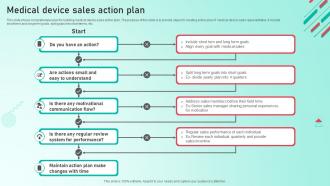
This slide shows comprehensive plan for building medical device sales action plan. The purpose of this slide is to provide steps for creating action plan of medical device sales representative. It include short term and long term goals, split goals into short terms, etc.
People who downloaded this PowerPoint presentation also viewed the following :
Medical Device Sales Action Plan with all 6 slides:
Use our Medical Device Sales Action Plan to effectively help you save your valuable time. They are readymade to fit into any presentation structure.





FAQs for Medical Device
Three main headaches you're gonna face: FDA paperwork (absolute nightmare), state licensing stuff, and hospitals wanting actual proof your device works. FDA's the worst - 510(k) clearances, quality regs, labeling rules that change constantly. Each state wants different sales licenses too, which is annoying. Oh, and forget flashy brochures. Hospitals want real clinical data now, not marketing fluff. Honestly, make friends with your regulatory team ASAP - they'll save your ass. Also bookmark the FDA device database because you'll live on that site checking updates.
Honestly, I made this mistake early on - I'd jump straight into all our fancy tech features when what they really wanted to hear was "how will this help my patients?" Ask about their biggest headaches first. Then use simple comparisons to explain how your device works. Like, don't say "advanced algorithms" - say it's like having an expert looking over their shoulder. Real case studies are gold - show them actual numbers like "30% faster procedures" or whatever. Get some doctors on your team who can talk shop with other doctors. That peer-to-peer thing is huge. And make sure your demos connect directly to the problems they just told you about.
Clinical trials are your best shot at credibility in medical device sales. Positive data becomes your main selling point - efficacy rates, safety profiles, real patient outcomes that doctors actually trust. Without solid trial backing, you're basically just another rep with shiny marketing materials. Get your sales team trained on the data thoroughly so they can speak intelligently about results. Oh, and definitely start connecting with the clinical team early. They're gold for helping translate all that complex research into conversations that actually resonate with prospects. Trust me, it makes all the difference when you can back up claims with real science.
Look, medical device sales isn't the same game anymore. Cold calls and hospital visits? Still matter, but now you've gotta meet prospects online first. LinkedIn targeting works crazy well for reaching the right doctors. Most of them research everything digitally before they'll even schedule a demo - COVID basically forced that shift overnight. Content marketing and webinars actually build trust faster than I expected. The tracking data you get is pretty wild too. You can see exactly which prospects downloaded your white papers or watched your product videos. Start nurturing those digital relationships early, because that's where buying decisions really begin now.
Don't be that pushy rep they'll avoid - healthcare folks see right through that BS. Actually be useful instead. Share clinical studies that matter to them, help solve real problems they're dealing with. Show up regularly, not just when you want something. Listen way more than you talk (this one's huge). Remember the little stuff about their practice struggles. Oh, and follow through on everything, even tiny promises. Their trust is literally everything in this business. Build your rep as someone who actually makes their day better, not harder. Honestly, most reps get this backwards.
Honestly, reimbursement policies will make or break your whole sales strategy. No insurance coverage? You're screwed from the start. You'll have to hunt down facilities that can pay cash or have weird special arrangements - and trust me, that's a small pool. Each payer is totally different too, so your Medicare hospital pitch needs to be nothing like your commercial insurance one. I wish someone had told me that earlier because I bombed so many calls! Always research their payer mix first. And yeah, have your ROI numbers ready because they'll ask.
Honestly, it's all about building trust with doctors and hospital staff first - they won't buy from someone they don't like. You've gotta know your products inside and out since this stuff literally saves lives (kind of intense when you think about it). Communication is everything because busy doctors want the facts fast, no BS. Sales cycles drag on forever, so patience helps. When equipment breaks or doesn't work right, problem-solving skills kick in. My advice? Shadow experienced reps and become a total product nerd. That technical credibility gets you in the door way faster than smooth talking ever will.
Definitely do your homework before walking into any pitch. Big hospitals are all about cost savings and how well your stuff plays with their existing systems. Smaller clinics? They just want something simple that won't require tons of training. Academic centers are honestly kind of predictable - they get excited about anything cutting-edge or research-related. Figure out who's actually making the buying decisions first though. Sometimes it's the clinical team, sometimes procurement, usually a mix of both. Tailor your approach based on who you're talking to. Budget people want ROI numbers. Clinicians care about patient outcomes and workflow. Oh, and always ask about their biggest headaches before you start pitching your solution.
Dude, the med tech space is exploding right now. Wearables and telehealth are obviously huge, but surgical robotics is where things get really interesting - that equipment is insanely expensive. Home care devices are booming too since everyone's aging and wants to stay out of hospitals. Oh, and personalized medicine is creating all these weird niche markets for specialized diagnostic stuff. Honestly, I'd focus on figuring out which health systems in your area are going digital. That's where the real money decisions are happening. My cousin works at a hospital and says they're basically rebuilding everything tech-wise.
Look, ethics in med device sales really boils down to putting patients first instead of chasing the biggest commission check. Gone are the days of schmoozing doctors over fancy dinners to push overpriced equipment - thank god for that. Now your team has to actually know their stuff and match devices to real patient needs based on solid clinical data. The regulatory stuff is no joke either, so sketchy shortcuts will bite you hard. Build trust through education and honest pricing. I know it sounds boring, but when you focus on genuine clinical benefits, the sales relationships tend to work out naturally anyway.
Honestly, clinical data is everything - that's what actually convinces doctors and the people writing checks. Get some key opinion leaders on your side who'll vouch for your stuff. Sometimes the boring details like training and customer support matter way more than you'd think. Figure out what makes you different from everyone else - better outcomes, unique features, whatever - then hammer that point home constantly. I'd probably start with just one solid differentiator and build everything around that. Don't try to be good at everything, you know?
Your healthcare providers are literally a goldmine for product dev. They're using your stuff every day and know exactly what's broken. Set up regular check-ins and user testing to grab their pain points and workflow issues. I've watched companies completely flip their R&D plans because users kept complaining about the same usability problems. Don't just collect random complaints though - you need structured feedback to spot patterns across different sites. Quarterly sessions with your biggest accounts work well. Honestly, you'll be shocked at how much useful stuff they'll tell you.
Dude, partnerships are basically essential if you want to scale med device sales without losing your mind. Find distributors who already have solid hospital connections - saves you years of relationship building. You can also team up with other device companies (non-competitors obviously) to bundle solutions together. Going solo in this space? Good luck with that nightmare. Plus these partnerships get you regulatory know-how for different regions, which honestly saves a fortune. I'd start by looking at companies already serving your customers but selling different stuff. That's usually where you'll find the sweet spot.
Dude, you're gonna run into three main roadblocks. Budget is always the first one - instead of listing features, hit them with ROI numbers and what they'll save down the road. Then there's the classic "we're fine with what we have" response. Push back on that - what's actually bugging them day-to-day that they're just living with? Staff training worries are legit though, nobody wants their workflow turned upside down. Come armed with solid support plans and realistic timelines. Oh, and bring case studies from similar places - healthcare people love seeing what their peers are doing. Works every time.
Dude, cultural stuff will make or break you in med device sales. In Asia, the head doctor calls all the shots - but somewhere else? It's a whole committee deciding. Religious views can torpedo certain implants too, which honestly caught me off guard when I first learned that. Language is the obvious hurdle, but relationship-building styles are totally different everywhere. Germany's approach won't work in Brazil at all. You'll want local distributors who actually get the culture. Spend time figuring out how each market makes decisions before you even think about your pitch.
-
Excellent Designs.
-
“Ample and amazing variety of templates available, really helpful for making professional PPT for day to day workings.”