


Mission and vision statement powerpoint presentation slides





Try Before you Buy Download Free Sample Product
 Impress Your
 Audience
 100%
100% Editable
 Save Hours
 of Time


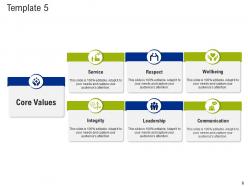
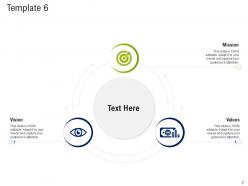
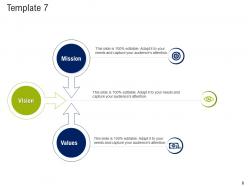
Choose our Mission And Vision Statement PowerPoint Presentation Slides for attractively proposing your business ideas. Present a well-structured company business overview and its objectives with the assistance of these vision statement PPT templates. Display the core values of your organization, including service, respect, wellbeing, integrity, leadership, and communication, in an easily accessible manner by taking the aid of this mission statement PPT slideshow. These professionally curated PPT layouts are designed considerately to display the aims, goals, and target of the enterprise in an organized format. Explain your strategies, plans, and marketing ideas for business development by employing our company goals PPT themes. Utilizing this business objectives PPT template, showcase to your audience the professionalism and efficient work management you offer. For a remarkable presentation, download our company’s vision and mission powerpoint presentation and convey your message with clarity and comprehensiveness. Save your precious time with these pre-ready company-purpose PPT graphics that allows you to just add or edit the text, slides, icons, and images according to your requirements.
People who downloaded this PowerPoint presentation also viewed the following :
Mission and vision statement powerpoint presentation slides with all 19 slides:
Use our Mission And Vision Statement Powerpoint Presentation Slides to effectively help you save your valuable time. They are readymade to fit into any presentation structure.
-

Mission and Vision Statement
-

Template 1
-

Template 2
-

Template 3
-

Puzzle of Mission Value Vision
-
Template 5
-
Template 6
-
Template 7
-

Mission and Vision Statement for Icons Slide
-

Additional Slides
-

About Us
-

Venn
-

Post it Notes
-

Timeline
-

30 60 90 Days Plan
-

Our Goal
-
Column Chart
-
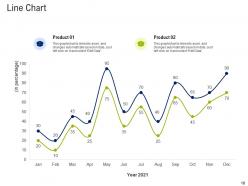
Line Chart
-

Thank You For Watching
FAQs for Mission and vision statement
Mission statements define an organization's current purpose, core activities, target audience, and fundamental values that guide daily operations. Vision statements articulate future aspirations, long-term goals, and the desired impact the organization aims to achieve, with many companies finding that these complementary frameworks enhance strategic alignment and stakeholder engagement.
Businesses effectively align mission and vision statements with their overall strategy by integrating these foundational elements into strategic planning, performance metrics, resource allocation decisions, and daily operations. Through consistent communication and measurable objectives, organizations in sectors like healthcare, retail, and financial services create strategic coherence that drives employee engagement, customer loyalty, and sustainable competitive advantage.
Mission and vision statements serve as foundational pillars for corporate branding, defining organizational purpose, values, and future aspirations that guide all communication strategies. These statements enable companies to create authentic brand narratives, align employee behavior with brand promises, and differentiate themselves in competitive markets, ultimately delivering consistent customer experiences and stronger stakeholder trust.
Organizations ensure resonance by involving stakeholders in development, using clear and authentic language that reflects company values, and consistently communicating these statements through actions, policies, and daily operations. Through regular feedback sessions, internal surveys, and customer engagement initiatives, companies like Patagonia and Southwest Airlines demonstrate alignment between stated purpose and actual practices, ultimately building trust and loyalty while strengthening organizational culture and brand identity.
Common pitfalls include creating overly vague or generic statements, making them too lengthy or complex, focusing solely on profits rather than purpose, and failing to align them with actual business practices. Many organizations find that statements lacking employee input, using buzzwords without substance, or being unrealistic about capabilities ultimately undermine credibility and fail to inspire meaningful action.
Companies should revisit their mission and vision statements every 3-5 years, or when experiencing significant changes like market shifts, strategic pivots, or leadership transitions. Through regular strategic reviews, organizations in sectors like technology, healthcare, and retail ensure their core statements remain relevant and aligned with evolving business objectives, ultimately maintaining competitive advantage and stakeholder engagement.
Mission and vision statements drive company culture by providing clear purpose, shared values, behavioral guidelines, and strategic direction that employees can embrace and embody. These foundational elements enhance engagement through meaningful work connections, decision-making clarity, and collective identity, with many organizations finding that well-communicated statements significantly improve retention, motivation, and overall workplace satisfaction.
Inspiring mission statements include Nike's "To bring inspiration and innovation to every athlete in the world," Tesla's commitment to sustainable transport, and Google's focus on organizing world information accessibility. These statements resonate by connecting purpose to human impact, with companies like Patagonia and Microsoft demonstrating how clear vision drives employee engagement, customer loyalty, and strategic decision-making, ultimately delivering competitive advantage through authentic brand positioning.
Startups can develop distinctive mission and vision statements by focusing on specific customer pain points they uniquely solve, incorporating measurable impact goals, and articulating their disruptive approach to traditional industry challenges. Through authentic storytelling that highlights their founders' passion and clear differentiation strategies, startups create compelling narratives that resonate with investors, customers, and talent, ultimately establishing strong brand identity and market positioning.
Employee involvement techniques include collaborative workshops, cross-departmental focus groups, anonymous feedback systems, structured brainstorming sessions, and leadership interviews across all organizational levels. These approaches enable organizations to gather diverse perspectives, foster ownership, and ensure alignment, with many companies finding that inclusive development processes ultimately deliver stronger buy-in and more authentic statements.
Mission and vision statements guide organizational decision-making by providing clear frameworks for evaluating strategic choices, resource allocation, and operational priorities. These foundational documents enable leadership teams to assess opportunities against core values and long-term objectives, with many companies finding that well-defined statements streamline consensus-building and enhance strategic alignment across departments.
Metrics for measuring mission and vision effectiveness include employee engagement scores, customer satisfaction ratings, brand recognition surveys, employee retention rates, and alignment assessments between strategic decisions and stated values. Organizations increasingly track these through regular pulse surveys, performance reviews, and customer feedback systems, with many companies finding that strong mission-vision alignment correlates directly with improved operational efficiency and competitive market positioning.
Mission and vision statements can be effectively communicated through multi-channel approaches including town halls, digital platforms, visual displays, leadership messaging, and interactive workshops. These strategies enhance stakeholder engagement by creating consistent touchpoints, fostering dialogue, and reinforcing core values, with many organizations finding that regular reinforcement through diverse channels ultimately delivers stronger alignment and organizational commitment.
Storytelling transforms mission and vision statements from abstract declarations into compelling narratives that resonate emotionally with stakeholders, employees, and customers. Through authentic anecdotes, customer success stories, and founder journeys, organizations create deeper connections and understanding, with many companies finding that narrative-driven statements significantly enhance engagement, retention, and brand loyalty across all touchpoints.
Visual elements enhance mission and vision statements through strategic typography, compelling imagery, consistent brand colors, infographic formats, and interactive presentations. These design approaches streamline communication by increasing memorability, improving employee engagement, and reinforcing organizational identity, with many companies finding that visually-presented statements deliver stronger brand recognition and ultimately create more impactful stakeholder connections.
-
Designs have enough space to add content.
-
Qualitative and comprehensive slides.
-
Really like the color and design of the presentation.
-
Unique research projects to present in meeting.
-
Top Quality presentations that are easily editable.