


Morocco country powerpoint flags




Try Before you Buy Download Free Sample Product
 Impress Your
 Audience
 100%
100% Editable
 Save Hours
 of Time


Thrive on the common sense of our Morocco Country Powerpoint Flags. Benefit from their wealth of experience.
People who downloaded this PowerPoint presentation also viewed the following :
Morocco country powerpoint flags with all 11 slides:
Create a connection with your audience using our Morocco Country Powerpoint Flags. Transfer your depth of knowledge clearly across to them.


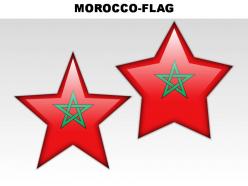
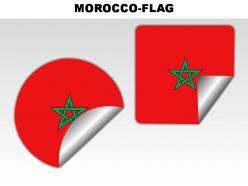
FAQs for Morocco
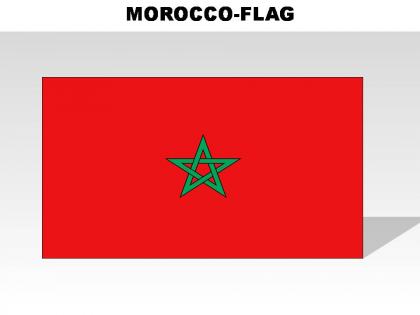
The Moroccan flag's red field originates from the Alaouite dynasty established in 1666, while the green pentagram was added in 1915 under French protectorate to distinguish it from other red flags. This design combines Morocco's royal heritage with Islamic symbolism, where red represents the ruling dynasty's strength and green signifies Islam and the Prophet's wisdom, ultimately creating a distinctive national identity that honors both monarchical tradition and religious significance across North African diplomatic contexts.
The Moroccan flag symbolizes cultural identity through its red field representing the Alaouite dynasty and national strength, while the green pentagram reflects Islamic faith and the Seal of Solomon. This strategic combination connects Morocco's royal heritage with religious traditions, ultimately delivering a powerful national symbol that enhances cultural unity and represents the country's historical continuity across centuries.
The Moroccan flag evolved from various dynastic banners to its current red field with green pentagram design adopted in 1915. Historical periods saw different emblems under Almoravid, Almohad, and successive dynasties, with the red color remaining consistent throughout most eras, while the distinctive five-pointed star was added during the French protectorate to distinguish it from other red flags, ultimately creating Morocco's modern national symbol.
The five-pointed green star on Morocco's flag represents the five pillars of Islam, symbolizing the nation's deep Islamic heritage and spiritual foundation. This pentagram, called the Seal of Solomon, connects Morocco's identity to centuries of Islamic tradition, while the star's green color reinforces religious significance, ultimately representing unity between faith and national pride.
Morocco's flag features a distinctive green pentagram on red background, contrasting with neighbors like Algeria's crescent and star, Tunisia's red crescent, and Egypt's horizontal tricolor with eagle emblem. While other North African flags incorporate traditional Islamic symbols and multiple colors, Morocco's simplified two-color design with geometric star creates stronger visual recognition and brand consistency across international diplomatic, tourism, and trade applications.
The Moroccan flag serves as a central symbol during national celebrations, displayed prominently at Independence Day ceremonies, royal festivities, religious holidays, and cultural events across the country. Through parades, government buildings, and public gatherings, citizens embrace this emblematic representation to express patriotic unity, honor national heritage, and strengthen collective identity, with many communities finding that flag displays ultimately enhance civic pride and cultural solidarity.
Morocco's flag protocols emphasize royal symbolism and Islamic traditions, differing from secular international practices through specific ceremonial procedures, religious considerations during display, and protocols honoring the monarchy alongside state functions. While international standards focus on diplomatic equality and secular respect, Moroccan practices integrate cultural reverence for the Alaouite dynasty, Islamic prayer times affecting displays, and traditional ceremonies, ultimately reflecting the kingdom's unique blend of monarchical, religious, and modern governmental institutions.
Tourism and global perceptions significantly enhance the Moroccan flag's symbolism by transforming it into a recognizable brand representing cultural richness, hospitality, and authentic experiences. Through international exposure at hotels, cultural festivals, and diplomatic events, the flag's green pentagram and red field increasingly symbolize Morocco's unique blend of African, Arab, and Berber heritage, with many tourists finding that the flag embodies the country's welcoming spirit and historical depth.
The Moroccan flag incorporates Islamic design through its green pentagram star, representing the five pillars of Islam, set against a red background symbolizing the descendants of Prophet Muhammad. This strategic combination reflects Morocco's deep Islamic heritage while maintaining national identity, with the geometric star pattern following traditional Islamic artistic principles that emphasize unity, faith, and spiritual connection across the nation.
Common misunderstandings about the Moroccan flag include confusing the green pentagram with Islamic symbolism alone, assuming it represents Arab identity exclusively, and believing the red background signifies bloodshed or conflict. While the flag does incorporate Islamic elements, it primarily represents Morocco's unique Berber-Arab heritage, national sovereignty, and the Alaouite dynasty, with many observers finding the pentagram specifically symbolizes wisdom and peace rather than purely religious meaning.
The Moroccan flag is prominently displayed at government buildings, embassies, schools, military installations, and during national holidays like Independence Day and Throne Day. These displays enhance national identity and civic pride across institutions, with many organizations finding that prominent flag placement strengthens cultural connection, fosters patriotic engagement, and ultimately delivers greater community cohesion in public spaces.
Political milestones have significantly shaped Morocco's flag representation, from French protectorate modifications to independence restoration in 1956, constitutional changes, and Western Sahara territorial disputes. Through monarchy transitions, democratic reforms, and international diplomatic relations, the flag's display protocols, ceremonial usage, and symbolic prominence have evolved, with government institutions increasingly emphasizing its role in national unity and sovereignty messaging.
Official regulations require the Moroccan flag to be displayed respectfully in public spaces, with specific protocols governing size, positioning, ceremonial usage, and maintenance standards. Government buildings, educational institutions, and public venues must follow established guidelines for flag mounting, timing of display, and proper handling, while ensuring the flag remains clean and undamaged, ultimately demonstrating national respect and institutional compliance.
Moroccan schools educate students about the national flag through comprehensive civic education programs that include history lessons, cultural ceremonies, flag-raising rituals, and patriotic celebrations throughout the academic year. These educational approaches enhance national identity by teaching flag symbolism, proper etiquette, and historical significance, while fostering cultural pride and civic responsibility among students across all educational levels.
Moroccan flag merchandise includes clothing, accessories, home décor, sports items, and cultural artifacts sold in tourist markets, retail stores, and online platforms. Domestically, it represents national pride and cultural identity, while internationally it symbolizes Morocco's rich heritage and tourism appeal, with many businesses finding that flag-themed products enhance cultural connection and generate significant revenue across diverse markets.
-
Illustrative design with editable content. Exceptional value for money. Highly pleased with the product.
-
Innovative and attractive designs.