


Mountain Tourism Powerpoint Ppt Template Bundles




Try Before you Buy Download Free Sample Product
 Impress Your
 Audience
 100%
100% Editable
 Save Hours
 of Time


Our Mountain Tourism Powerpoint Ppt Template Bundles are topically designed to provide an attractive backdrop to any subject. Use them to look like a presentation pro.
People who downloaded this PowerPoint presentation also viewed the following :
Mountain Tourism Powerpoint Ppt Template Bundles with all 17 slides:
Use our Mountain Tourism Powerpoint Ppt Template Bundles to effectively help you save your valuable time. They are readymade to fit into any presentation structure.








FAQs for Mountain Tourism Powerpoint
Mountain tourism creates environmental impacts including trail erosion, wildlife habitat disruption, water resource depletion, vegetation damage, and waste accumulation across fragile alpine ecosystems. However, sustainable tourism practices enable destinations to minimize these effects through responsible trail management, waste reduction programs, and conservation initiatives, with many mountain communities finding that eco-tourism approaches ultimately deliver environmental protection and economic benefits.
Mountain tourism contributes to rural economic development by creating employment opportunities, attracting infrastructure investment, and generating revenue through hospitality, guiding services, and local crafts. These activities stimulate economic diversification in traditionally agriculture-dependent communities, with many mountain regions finding that tourism enables sustainable income streams, supports local businesses, and ultimately delivers improved living standards while preserving cultural heritage.
Sustainable mountain tourism measures include implementing carrying capacity limits, promoting eco-friendly accommodations, establishing waste management systems, supporting local communities through employment opportunities, and creating educational programs for visitors. These practices help preserve fragile alpine ecosystems while enhancing visitor experiences, with many destinations finding that sustainable approaches ultimately deliver competitive advantages and long-term economic viability.
Cultural experiences in mountain regions enhance tourist experiences by providing authentic connections to local traditions, indigenous practices, and heritage crafts that define these unique communities. Through traditional festivals, local cuisine, artisan workshops, and storytelling sessions, visitors gain deeper cultural understanding while contributing to community economies, ultimately creating more meaningful and memorable journeys that distinguish mountain destinations from conventional tourism offerings.
Mountain tourism operators face challenges including shifting weather patterns, reduced snow seasons, changing wildlife migrations, infrastructure vulnerabilities, and evolving visitor expectations for sustainable experiences. While these present operational complexities, they also drive innovation in diversified offerings, with many destinations finding that adaptive strategies like year-round activities, enhanced sustainability practices, and climate-resilient infrastructure ultimately deliver competitive advantages and stronger guest loyalty.
Technology enhances mountain tourism safety through GPS tracking systems, weather monitoring apps, emergency beacon devices, real-time communication tools, and automated alert systems. These solutions streamline risk management by providing instant location data, weather updates, and emergency response coordination, with ski resorts and adventure operators finding that digital platforms ultimately deliver faster rescue services and improved visitor experiences.
Local communities serve as essential stakeholders in mountain tourism management through environmental stewardship, cultural preservation, tourism service provision, and sustainable development planning. Their involvement enables authentic visitor experiences while protecting fragile ecosystems, with many alpine destinations finding that community-led initiatives deliver economic benefits, cultural continuity, and enhanced destination competitiveness.
Seasonal variations dramatically influence mountain tourism, with winter attracting skiers and snow sports enthusiasts, while summer draws hikers, climbers, and adventure seekers seeking cooler temperatures. Many destinations like Colorado resorts and Alpine regions strategically diversify their offerings across seasons, with ski lodges transforming into hiking bases and wedding venues, ultimately enabling year-round revenue streams and operational efficiency.
Mountain tourism attracts visitors through hiking and trekking, skiing and snowboarding, mountaineering and rock climbing, scenic drives, and wildlife observation. These activities deliver diverse revenue streams by appealing to adventure seekers, families, and seasonal travelers, with many mountain destinations finding that combining outdoor recreation with wellness tourism ultimately enhances visitor experiences and extends seasonal profitability.
Mountain tourism influences wildlife conservation through funding national parks and protected areas, supporting ranger programs, and creating economic incentives for habitat preservation. Through eco-tourism initiatives, mountain destinations generate revenue that directly supports conservation projects, anti-poaching efforts, and wildlife monitoring programs, while many mountain communities find that preserving biodiversity ultimately enhances their tourism appeal and long-term economic sustainability.
Local cuisines significantly enhance mountain tourism experiences by offering authentic cultural immersion, creating memorable sensory connections, and supporting regional economic sustainability. These culinary traditions enable destinations like the Swiss Alps, Himalayan regions, and Appalachian communities to differentiate their offerings, extend visitor stays, and generate additional revenue streams, while ultimately delivering deeper cultural appreciation and competitive advantage in increasingly experience-focused tourism markets.
Social media and digital marketing fundamentally transform mountain destination perceptions by showcasing breathtaking visuals, authentic experiences, and real-time traveler content through Instagram, TikTok, and targeted campaigns. These platforms enable destinations to highlight unique offerings like adventure sports, cultural experiences, and sustainable practices, while user-generated content builds trust and aspirational appeal, ultimately driving visitor engagement and bookings.
Key trends shaping mountain tourism include sustainable practices, adventure technology integration, wellness retreats, climate-adaptive infrastructure, and authentic cultural experiences. These developments enhance visitor experiences by offering eco-friendly accommodations, digital trail mapping, and wellness-focused activities, while mountain destinations increasingly leverage local traditions and adaptive strategies, ultimately delivering competitive advantages and resilient tourism models.
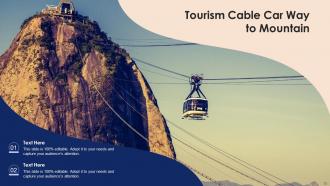
Accessibility and transportation challenges significantly limit mountain tourism by restricting visitor access, increasing travel costs, and creating safety concerns, particularly for elderly or disabled travelers. However, these obstacles present opportunities for strategic infrastructure investment, with many mountain destinations finding that improved road networks, cable car systems, and accessible facilities ultimately deliver enhanced visitor experiences and competitive advantage.
Best practices for promoting responsible tourism in mountain areas include limiting visitor numbers through permit systems, establishing clear trail guidelines, implementing waste management programs, supporting local community involvement, and creating educational initiatives about environmental impact. These approaches help preserve fragile alpine ecosystems while enhancing visitor experiences, with destinations like Nepal's Everest region and Switzerland's Alpine parks finding that sustainable tourism policies ultimately deliver long-term economic benefits and environmental protection.
-
Editable templates with innovative design and color combination.
-
Design layout is very impressive.