

Multiple Choice Questions For Session On Soft Skills For Customer Service Edu Ppt





Try Before you Buy Download Free Sample Product
 Impress Your
 Audience
 100%
100% Editable
 Save Hours
 of Time


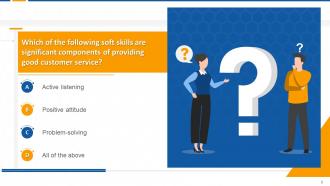
This PPT deck contains MCQs on the training topic of soft skills for customer service. The trainer can use these to facilitate discussion and test the audiences knowledge.
People who downloaded this PowerPoint presentation also viewed the following :
Multiple Choice Questions For Session On Soft Skills For Customer Service Edu Ppt with all 22 slides:
Use our Multiple Choice Questions For Session On Soft Skills For Customer Service Edu Ppt to effectively help you save your valuable time. They are readymade to fit into any presentation structure.










FAQs for Multiple Choice Questions For Session On Soft Skills For Customer
Honestly? Active listening is everything - don't interrupt, just really hear them out. Empathy and patience come next, but emotional intelligence might be the secret weapon since you can actually read what's going on with people. Communication skills are obvious but still crucial for explaining stuff clearly. Problem-solving helps when customers completely blindside you with weird situations. Oh, and adaptability because literally every interaction is different. I swear just focusing on the listening part first will put you ahead of like 80% of customer service reps out there.
Good communication is basically the secret sauce for happy customers. People want to feel heard, you know? Listen to them, skip the jargon, and actually show you give a damn about their problem. Nobody wants to deal with someone who sounds like they're reading from a script - that's the worst. Trust builds when customers see you're genuinely trying to help, not just rushing to close their case. Here's what really sets you apart though: following up afterward. Most companies don't bother, but when you check back in, customers remember that.
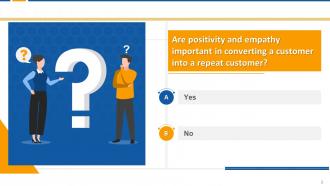
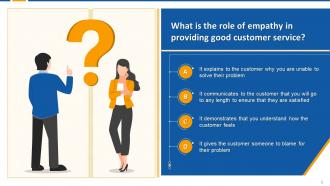
Honestly, empathy is like a cheat code with angry customers. You listen to their frustration and actually acknowledge it - boom, half the tension's gone. I've watched people go from yelling to saying thanks just because I said "yeah, that sounds super frustrating." It's wild how that works. Makes you ask way better questions too since you're thinking like them instead of robotically following some script. Here's the thing though - you gotta make them feel heard first, before jumping into fix-it mode. Sometimes that emotional piece matters more than whatever solution you end up with.
Honestly, active listening is a game changer for avoiding those messy miscommunications. You catch way more when you're not busy planning your comeback – like their tone or those telling pauses. Customers can tell when you actually give a damn about their problem too. I always repeat back what I heard in my own words, and it's crazy how often they go "yes, exactly!" or catch something I missed. Short sentences work. You can also jump in to clarify stuff right away instead of letting confusion build up. Trust me, frustrated customers appreciate feeling heard more than quick responses.
Honestly, emotional intelligence is like a superpower with angry customers. You've gotta read their vibe and keep your own emotions in check - I've watched so many people make things worse by getting defensive over nothing. Take a second to breathe before you respond. Really listen to what's driving their frustration, not just their words. When you acknowledge how they're feeling and show you actually get it, they usually calm down fast. Focus on solving their problem instead of winning the argument. Oh, and never take their attitude personally - they're mad at the situation, not you specifically.
Good teamwork means you're not stuck figuring out every problem solo. Quick daily check-ins help tons - you can share what customers are complaining about and swap solutions. When someone needs help with a tricky issue, you can pull in whoever actually knows that stuff instead of transferring the poor customer around forever. That drives me crazy when it happens to me! Your customers definitely pick up on it when everyone's on the same page. Responses sound consistent, handoffs don't suck, and people get real answers faster.
Stress management is huge - teach your team deep breathing and mindfulness between calls. Role-playing tough scenarios during training really works too, helps them stay cool when things get heated. Celebrate the small wins! Like when someone actually de-escalates an angry customer (those moments are gold). Make sure they're taking real breaks and eating lunch - nobody wants hangry reps dealing with complaints. Oh, and set up a buddy system where they can vent about brutal calls together. The trick is building these habits early, not scrambling when everyone's already burnt out.
Dude, adaptability is huge in customer service - like, make or break huge. You'll bounce between helping someone with basic billing stuff to calming down someone whose entire order got screwed up. The people who crash and burn? They panic when things go off-script. Each customer's different, policies change constantly, and random stuff happens daily. Oh, and thinking on your feet is everything - honestly, some days feel like improv class. Being able to switch your approach depending on who you're talking to will save you so much stress.
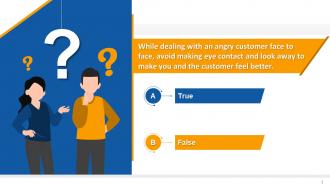
Dude, body language is honestly everything in customer service! Eye contact and genuine smiles make people feel welcomed right off the bat. Keep your posture open - crossed arms are a total mood killer. Lean in a bit when they're talking so they know you're actually listening. What's wild is that even on phone calls, your facial expressions somehow come through in your voice tone (weird but true). Start with fixing your posture and smiling more. Customers will totally mirror that energy back to you, and it makes the whole interaction so much better.
Honestly, time management makes or breaks customer service. You'll respond way faster to emails and actually follow through when you say you will. I used to be terrible at this - emails everywhere, always sounding stressed on calls. It was a mess. Block out chunks of time for different stuff, but here's the thing: always leave wiggle room for random customer emergencies. They happen constantly. When you're not rushing around like crazy, you can actually listen to what people are saying instead of just waiting for them to stop talking. Trust me, customers notice the difference immediately.
Okay so first thing - don't panic when they start going off. Actually listen to what's bugging them, not just the yelling part. Ask questions that get them talking more, then repeat back what you heard in your own words. Works every time, honestly. You're both trying to solve the same problem here, right? Don't get defensive or they'll just get madder. Stick with stuff like "I get why you're frustrated" and "let's figure this out together." The whole trick is letting them feel heard before you jump into fix-it mode. Trust me on this one.
Look, when you actually care about fixing someone's problem instead of just rushing them off the phone, they can tell right away. It's weird how obvious it is to customers. They'll trust you more and come back because they know you've got their back. I always think "what would actually make this person's day better?" before I respond - sounds cheesy but it works. Short version: be the friend helping out, not the robot reading scripts. People remember that stuff and it keeps them loyal. Way better than the fake corporate cheerfulness thing.
Here's the thing - when customers say "your product sucks," you can't just take that and run with it. You gotta dig deeper with questions like "what exactly happens when you click that button?" or "when did this weirdness first start?" Those specifics reveal the actual problem instead of just the frustration on top. People really do notice when you're actually listening vs. just waiting to throw some cookie-cutter solution at them. I always start broad with open questions, then get more targeted. Works way better than guessing what's wrong - trust me on this one.
Skip those once-a-year review things and make feedback constant instead. Weekly huddles work great - let people talk through what went well or bombed with customers that week. Honestly, I think celebrating the small stuff matters way more than people realize. Maybe set up a suggestion box or something simple where your team can pitch ideas for fixing processes. Oh, and try moving people around to different departments occasionally so they actually understand how everything connects. The whole point is making it feel like their thing, not some top-down mandate they'll just ignore anyway.
So feedback loops are just regular check-ins to figure out what's working and what sucks in your customer interactions. Ask customers, your manager, coworkers - whoever. Then you can tweak things right away instead of waiting forever for your annual review. It's honestly like GPS for people skills, always adjusting course. The trick is getting specific, timely feedback that you can actually tie back to real situations. After tough calls especially - that's gold for improving how you communicate and solve problems. Way better than guessing what went wrong weeks later.
-
Professionally designed slides with color coordinated themes and icons. Perfect for enhancing the style of the presentations.
-
I faced no difficulty while searching for the slide I wanted. Honestly, the website’s interface is easy to use and can be navigated easily!