

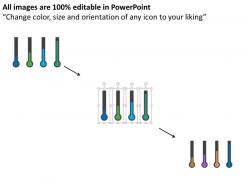
Multiple thermometer for temperature measurement flat powerpoint design





Try Before you Buy Download Free Sample Product
 Impress Your
Audience
 100%
Editable
 Save Hours
of Time


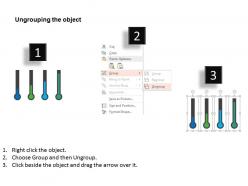
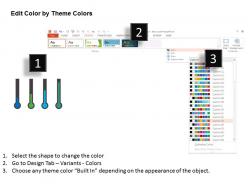
Are you looking for some scientific PPT design for your study or presentation topics? Here is this Multiple Thermometer for Temperature Measurement Flat PowerPoint Design. This is a scientifically designed Presentation icon that use the thermometer graphics to showcase the temperature over a particular period of time. This intelligently crafted temperature measurement PowerPoint design use four graphics of thermometers showing different temperature with a wide variety of colors. It solely aims the temperature measurement which can be beneficial for the science students, the health department individuals or the medical students. This temperature depth measurement PowerPoint Presentation slide icon is an ideal design for the professional presenters or the ones who are looking for some scientific topics PPT template. The entire PPT design can be edited. Be it the colors, orientation or even the graphics, easy changes can be made to this thermometer concept PPT design template. Users can download and save in a wide range of formats, can make changes and use it thereafter. Our Multiple Thermometer For Temperature Measurement Flat Powerpoint Design are contagious by nature. They will spread the enthusiasm you generate.
People who downloaded this PowerPoint presentation also viewed the following :
Multiple thermometer for temperature measurement flat powerpoint design with all 5 slides:
Have the gen available at hand with our Multiple Thermometer For Temperature Measurement Flat Powerpoint Design. Be able to get all the dope.


FAQs for Multiple thermometer for temperature measurement
Using multiple thermometers in a single environment delivers enhanced accuracy, comprehensive coverage, redundancy protection, temperature gradient detection, and system reliability validation. This strategic approach enables facilities like hospitals, laboratories, and manufacturing plants to identify hotspots, prevent equipment failures, and maintain consistent conditions, ultimately ensuring regulatory compliance and operational efficiency.
Different thermometer types impact accuracy through varying response times, calibration requirements, and environmental sensitivities, with digital thermometers offering precision within ±0.1°C while analog versions may vary by ±0.5°C. These variations significantly affect critical applications in healthcare facilities, food service operations, and manufacturing processes, where temperature precision directly influences patient safety, product quality, and regulatory compliance outcomes.
When placing multiple thermometers in a room, consider air circulation patterns, proximity to heat sources, height variations, humidity levels, and direct sunlight exposure. Strategic placement across different zones enables comprehensive temperature monitoring, with healthcare facilities and laboratories finding that distributed sensors deliver more accurate environmental control, enhanced data reliability, and ultimately improved operational precision for temperature-sensitive processes.
Multiple thermometers enable comprehensive temperature mapping across large spaces by providing simultaneous readings from different zones, corners, and elevation levels throughout the area. This strategic placement helps facilities managers, warehouses, and manufacturing plants identify hot spots, cold zones, and thermal inconsistencies, ultimately delivering improved climate control, energy efficiency, and optimal environmental conditions for operations.
Recent thermometer innovations include infrared contactless measurement, smart connectivity with mobile apps, flexible wearable sensors, AI-powered continuous monitoring, and multi-point temperature mapping systems. These technologies streamline healthcare operations, workplace safety protocols, and manufacturing quality control by delivering faster readings, reducing contamination risks, and enabling real-time data analysis, with hospitals and industrial facilities finding that automated temperature tracking significantly enhances operational efficiency.
Data from multiple thermometers can be effectively aggregated through centralized monitoring systems, cloud-based platforms, wireless sensor networks, and automated data collection protocols. These technologies streamline temperature management by enabling real-time monitoring, identifying pattern anomalies, and generating predictive insights, with hospitals, food processing facilities, and manufacturing plants finding significant improvements in compliance and operational efficiency.
Multiple thermometers enable comprehensive temperature monitoring across different food storage areas, preparation zones, and cooking stages, ensuring consistent adherence to safety standards. Through strategic placement in refrigerators, freezers, and cooking areas, restaurants and food service operations can prevent bacterial growth, reduce spoilage, and maintain compliance with health regulations, ultimately delivering safer customer experiences.
Multiple thermometers are crucial in healthcare facilities, laboratories, food processing plants, pharmaceutical manufacturing, and HVAC systems where temperature accuracy directly impacts safety and compliance. These environments require redundant monitoring to prevent equipment failures, ensure product integrity, and meet regulatory standards, with many organizations finding that multiple sensors deliver enhanced reliability, faster anomaly detection, and ultimately reduce operational risks while maintaining quality control.
Humidity affects thermometer readings through moisture interference, thermal conductivity changes, and calibration drift, with mechanical thermometers experiencing expansion issues while digital sensors face accuracy challenges. In pharmaceutical storage facilities and food processing plants, controlled humidity environments help maintain measurement precision, while outdoor weather stations increasingly use humidity-compensated sensors to deliver reliable temperature data despite fluctuating atmospheric conditions.
Common challenges associated with calibrating multiple thermometers include maintaining consistency across different instrument types, managing time-intensive individual calibration processes, ensuring traceability to recognized standards, coordinating environmental conditions, and tracking calibration schedules for large inventories. These challenges streamline through automated calibration systems and centralized management protocols, with many laboratories and manufacturing facilities finding that standardized procedures significantly reduce errors while enhancing operational efficiency.
Software solutions for tracking multiple thermometer data include cloud-based IoT platforms, SCADA systems, laboratory information management systems (LIMS), wireless sensor networks, and specialized temperature monitoring applications. These technologies streamline data collection by automating readings, centralizing dashboards, and enabling real-time alerts, with many healthcare facilities, food processing plants, and pharmaceutical companies finding that integrated monitoring ultimately delivers regulatory compliance and operational efficiency.
Multiple thermometers enable educational institutions to enhance science instruction through comparative experiments, increased student engagement, and hands-on learning opportunities. These tools allow students to measure temperature variations across different environments, conduct controlled experiments with multiple data points, and develop critical thinking skills through data analysis, ultimately improving scientific literacy and laboratory proficiency in an increasingly technology-focused educational landscape.
Best practices for maintaining multiple thermometers include regular calibration against certified standards, proper storage in protective cases, systematic rotation schedules, detailed maintenance logs, and designated cleaning protocols. These practices enhance accuracy and reliability by preventing drift, minimizing damage, and ensuring consistent performance across all instruments, with many laboratories finding that structured maintenance programs ultimately deliver improved data quality and regulatory compliance.
Multiple thermometers improve HVAC system efficiency by providing comprehensive temperature monitoring across different zones, enabling precise climate control, and reducing energy waste through targeted heating and cooling. These distributed sensors allow facilities like hospitals, office buildings, and manufacturing plants to optimize resource allocation, minimize operational costs, and deliver consistent environmental conditions, ultimately achieving significant energy savings while enhancing occupant comfort.
Using multiple thermometers in clinical settings presents both accuracy benefits and logistical challenges, including improved temperature monitoring consistency, reduced cross-contamination risks, enhanced patient throughput, and backup availability during equipment failures. While this approach requires increased investment and maintenance protocols, many hospitals and clinics find that strategic deployment across departments ultimately delivers faster patient care and improved diagnostic reliability.
-
Out of the box and creative design.
-
Informative presentations that are easily editable.