

Online Drug Interactions Colored Icon In Powerpoint Pptx Png And Editable Eps Format




Try Before you Buy Download Free Sample Product
 Impress Your
 Audience
 100%
100% Editable
 Save Hours
 of Time


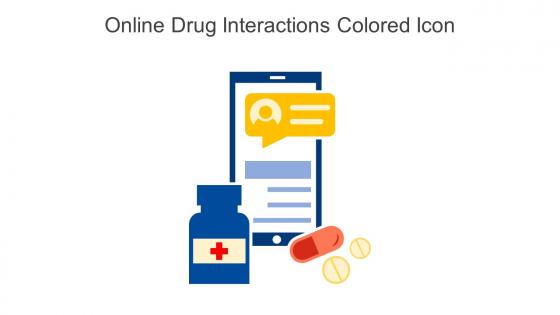
Use this Online drug interactions colored icon in powerpoint pptx png and editable eps format and create amazing PowerPoint presentations or graphics with ease. This downloaded file is available in all the editable formats such as EPS, PNG and Powerpoint pptx.
People who downloaded this PowerPoint presentation also viewed the following :
Online Drug Interactions Colored Icon In Powerpoint Pptx Png And Editable Eps Format with all 6 slides:
Use our Online Drug Interactions Colored Icon In Powerpoint Pptx Png And Editable Eps Format to effectively help you save your valuable time. They are readymade to fit into any presentation structure.





FAQs for Online Drug Interactions Colored Icon In Powerpoint Pptx Png And
The most common drug interactions include drug-drug interactions between prescription medications, drug-food interactions affecting absorption, drug-supplement interactions with vitamins or herbal products, and drug-condition interactions that worsen existing health issues. Online resources help patients identify these interactions by providing comprehensive databases, real-time alerts, and personalized screening tools, ultimately enabling safer medication management and reducing adverse effects.
Patients can effectively utilize online drug interaction checkers by entering all current medications, supplements, and over-the-counter drugs into reputable databases like Drugs.com or WebMD's interaction checker. These tools streamline medication safety by providing instant alerts, severity ratings, and alternative suggestions, with many healthcare systems finding that patients who regularly use these resources experience fewer adverse reactions and enhanced treatment outcomes.
Online pharmacies serve as crucial educational platforms by providing comprehensive drug interaction databases, automated screening tools, personalized medication reviews, and detailed safety warnings during the checkout process. Through AI-powered systems and licensed pharmacist consultations, these digital platforms enable consumers to make informed medication decisions, identify potential risks before purchases, and access 24/7 guidance, ultimately delivering safer pharmaceutical experiences and enhanced health outcomes.
Healthcare professionals can leverage online drug interaction checkers, clinical decision support systems, electronic health records with built-in alerts, mobile pharmacy apps, and evidence-based databases to enhance patient safety. These digital tools streamline medication reviews by providing real-time warnings, cross-referencing patient histories, and delivering updated interaction data, with many hospitals and clinics finding that integrated systems significantly reduce adverse events while improving clinical workflows.
Online drug interaction platforms present limitations including incomplete databases, lack of personalized medical context, inability to account for individual patient factors, absence of real-time clinical oversight, and potential for misinterpretation by users. While these tools enhance accessibility and provide valuable screening capabilities, healthcare professionals increasingly emphasize combining digital resources with clinical expertise, ultimately delivering more comprehensive patient safety and more accurate medication management in complex therapeutic environments.
Medications interact with dietary supplements through shared metabolic pathways, altered absorption rates, and competing enzyme systems, potentially reducing drug effectiveness or increasing adverse effects. Online resources like Drugs.com interaction checker, WebMD's drug interaction tool, and FDA's supplement databases enable healthcare providers and patients to identify risks, with many pharmacies and hospitals integrating these platforms to streamline medication reviews and enhance patient safety outcomes.
Best practices for interpreting online drug interaction data include using reputable medical databases, understanding severity classifications, consulting multiple sources for verification, and recognizing personal medication complexities. Non-medical professionals should focus on major interactions while avoiding self-diagnosis, with many finding that systematic cross-referencing and healthcare provider consultation ultimately delivers safer medication management and better health outcomes.
Patients can report unexpected drug interactions through healthcare provider networks, FDA MedWatch systems, pharmaceutical company databases, clinical research platforms, and medical app feedback mechanisms. These reporting channels enhance interaction databases by incorporating real-world patient experiences, enabling healthcare systems to refine their algorithms, update clinical guidelines, and deliver more accurate medication safety assessments, ultimately improving patient outcomes across diverse populations.
Legal and ethical considerations include patient privacy protection, data accuracy standards, liability for clinical decisions, informed consent requirements, and regulatory compliance across jurisdictions. These databases must balance accessible healthcare information with professional oversight, ensuring users understand limitations while maintaining confidentiality, with many healthcare institutions finding that clear disclaimers and integration with clinical workflows ultimately enhance patient safety.
Advancements in artificial intelligence, machine learning algorithms, real-time database updates, and comprehensive pharmaceutical data integration have significantly enhanced online drug interaction checkers' precision and reliability. Through these technologies, healthcare providers and patients can now access more accurate risk assessments, personalized warnings, and evidence-based recommendations, ultimately delivering safer medication management and reduced adverse drug events.
User-generated content presents both challenges and opportunities in online drug interaction reliability, as patient experiences and forum discussions provide real-world insights while potentially spreading misinformation or unverified claims. While healthcare platforms increasingly moderate user contributions through medical professionals and AI systems, many patients find that combining peer experiences with clinical data enhances their understanding, ultimately delivering more comprehensive perspectives on medication interactions and treatment outcomes.
Drug interactions affect chronic illness patients more severely due to multiple medications, compromised organ function, and complex health conditions requiring careful monitoring. Online resources like Drugs.com's interaction checker, Epocrates, and specialized platforms for diabetes, heart disease, and kidney patients deliver personalized screening tools, ultimately enabling safer medication management and improved therapeutic outcomes.
Pharmacists and healthcare providers can guide patients by recommending reputable platforms, teaching them to input complete medication lists including supplements, and emphasizing verification with professionals before changes. Through patient education sessions and follow-up consultations, healthcare teams help patients interpret interaction severity levels, understand timing considerations, and recognize when immediate medical attention is needed, ultimately enhancing medication safety and patient outcomes.
Emerging trends include AI-powered interaction checkers, real-time clinical decision support systems, mobile health apps with medication management, blockchain-based prescription tracking, and patient-centered educational platforms. These technologies streamline medication safety by automating risk assessments, enhancing provider workflows, and empowering patients with accessible information, with healthcare institutions finding that integrated digital solutions significantly reduce adverse events while improving treatment outcomes.
Multilingual online resources enhance drug interaction access by providing native-language databases, culturally appropriate medical terminology, and region-specific medication information tailored to diverse populations. These platforms enable healthcare providers and patients to identify potential interactions more accurately across language barriers, ultimately delivering safer medication management and reduced adverse events, with many international healthcare systems finding that localized resources significantly improve patient compliance and clinical outcomes.
-
You can rely on SlideTeam whenever you run out of designs for your presentation. Thank you so much SlideTeam!
-
Informative presentations that are easily editable.