

Online Selling App Development And Launch Powerpoint Presentation Slides




Try Before you Buy Download Free Sample Product
 Impress Your
 Audience
 100%
100% Editable
 Save Hours
 of Time


Grab our insightfully crafted online selling app Development and Launch template. It aids in creating a user case scenario for the app development process and evaluating app ideas from various angles. Our App development deck begins by briefing about app development and marketing solution business with some of its most important customers from multiple industries. The following section discusses the projects objectives, aims, suggested solutions, findings, site mapping, app promotion tactics, etc. Our Operating Systems PPT also assists in evaluating the style, cost, functionality, and quality of rival applications. It also provides an overview of the beta program, app store tactics, and UXUI visual designs. Additionally, the funding required for app development, post production support services, an execution roadmap for the app development project, and different app promotion strategies are all covered. Our Online selling app development module concludes by highlighting the dashboards for app success tracking and the timeline for the app creation and marketing process. Get access now.
People who downloaded this PowerPoint presentation also viewed the following :
Content of this Powerpoint Presentation
Slide 1: This slide introduces Online Selling App Development and Launch. Commence by stating Your company name.
Slide 2: This slide depicts the Agenda of the presentation.
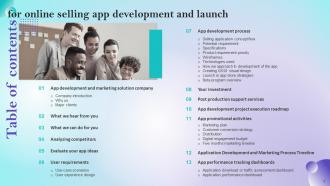
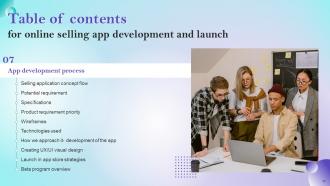
Slide 3: This slide incorporates the Table of contents.
Slide 4: This slide highlights the Title for the Topics to be discussed further.
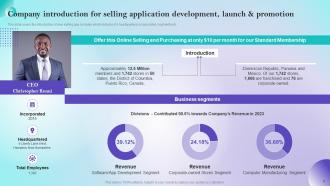
Slide 5: This slide covers the introduction of new selling app company.
Slide 6: This slide showcases the company's supremacy for mobile application development.
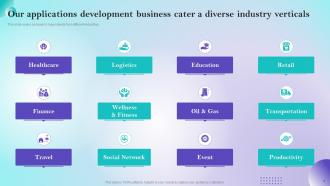
Slide 7: This slide incorporates the company’s major clients from different industries.
Slide 8: This slide elucidates the Heading for the Components to be discussed next.
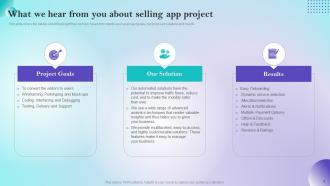
Slide 9: This slide contains the details about the project from clients.
Slide 10: This slide lists the possible solution app developing company is offering for the project.
Slide 11: This slide highlights the Title for the Ideas to be covered in the following template.
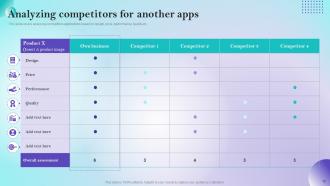
Slide 12: This slide deals with analyzing competitors for another apps.
Slide 13: This slide covers the evaluation of the application idea based on certain parameters.
Slide 14: This slide mentions the Heading for the Ideas to be covered in the following template.
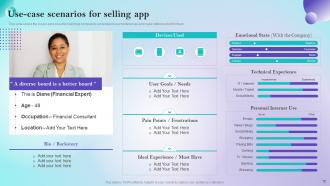
Slide 15: This slide portrays the buyers persona which will help company to understand user preferences and make better product for them.
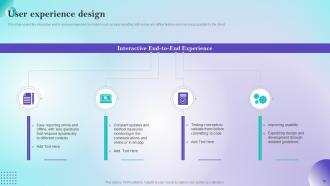
Slide 16: This slide exhibits the interactive end to end user experience solution.
Slide 17: This slide incorporates the Title for the Components to be discussed in the forth-coming template.
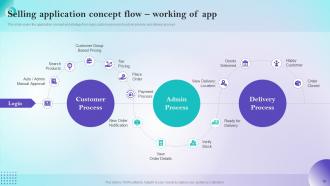
Slide 18: This slide covers the application concept and strategy from login customer process to admin process and delivery process.
Slide 19: This slide exhibits the Potential requirement of the application.
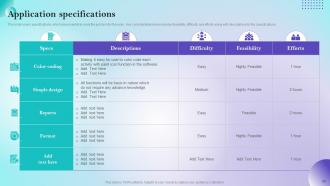
Slide 20: This slide contains specifications, which are essential to solve the problem for the user.
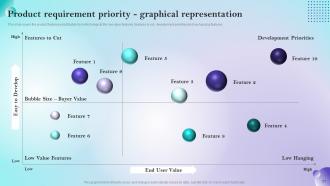
Slide 21: This slide presents the product features prioritization tool which depicts the low value features.
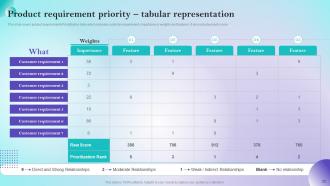
Slide 22: This slide shows the product requirements Prioritization table.
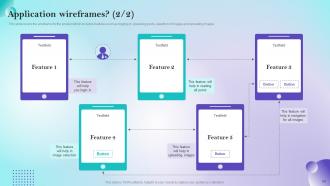
Slide 23: This slide contains the wire frame for the application where non-technical side, wireframes help frame a feature's story to key stakeholders.
Slide 24: This slide continues the wireframe for the product.
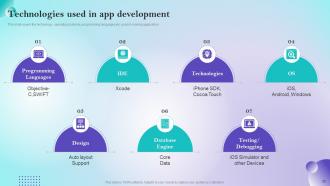
Slide 25: This slide reveals the Technologies used in app development.
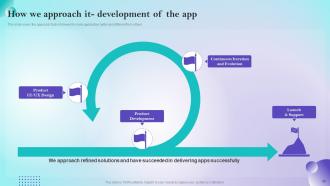
Slide 26: This slide covers the approach that is followed to make application better and different from others.
Slide 27: This slide focuses on the UX/UI visual design of the application which can be used to give an idea to the customer about the application's interface.
Slide 28: This slide talks about the Launch in app store strategies.
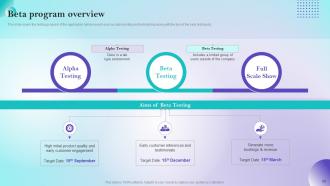
Slide 29: This slide presents the Beta program overview.
Slide 30: This slide mentions the Heading for the Topics to be discussed next.
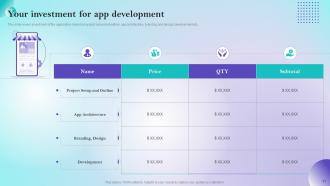
Slide 31: This slide covers the investment of the application based on project setup and outline, app architecture, etc.
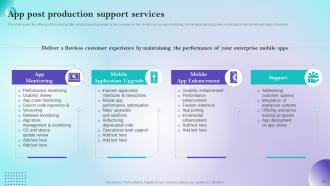
Slide 32: This slide deals with the App post production support services.
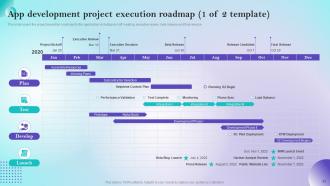
Slide 33: This slide illustrates the App development project execution roadmap.
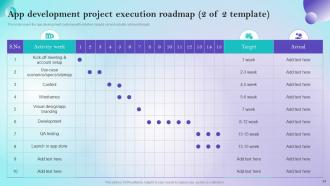
Slide 34: This slide continues the App development project execution roadmap.
Slide 35: This slide indicates the Title for the Topics to be covered further.
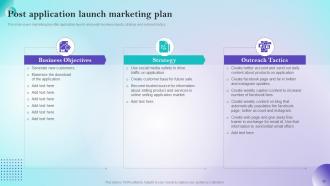
Slide 36: This slide covers marketing plan after application launch along with business objects, strategy, and outreach tactics.
Slide 37: This slide focuses on the Customer conversion strategy.
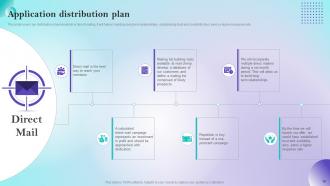
Slide 38: This slide talks about the Application distribution plan.
Slide 39: This slide exhibits the Digital engagement budget.
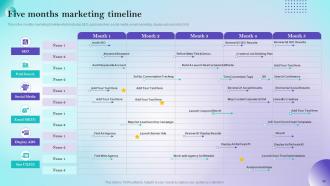
Slide 40: This slide illustrates the Five months marketing timeline.
Slide 41: This slide contains the Heading for the Components to be discussed further.
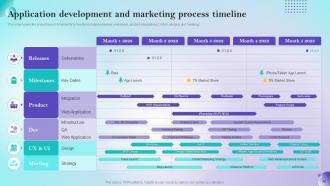
Slide 42: This slide deals with the Application development and marketing process timeline.
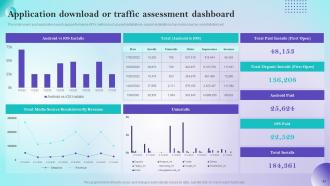
Slide 43: This slide presents the Application download or traffic assessment dashboard.
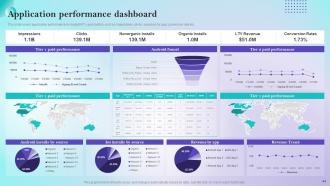
Slide 44: This slide reveals the Application performance dashboard.
Slide 45: This is the Icons slide containing all the Icons used in the plan.
Slide 46: This slide is used for depicting Additional information.
Slide 47: This slide elucidates the Company's Mind map.
Slide 48: This is Our goal slide. State your organizational goals here.
Slide 49: This slide contains the Post it notes for reminders nad deadlines.
Slide 50: This is the Venn diagram slide.
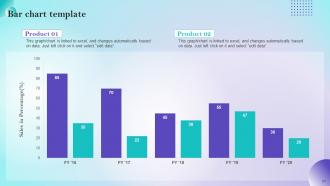
Slide 51: This slide showcases the Bar chart template.
Slide 52: This slide reveals information related to the Financial topic.
Slide 53: This is the Puzzle slide with related imagery.
Slide 54: This is the Thank you slide for acknowledgement.
Online Selling App Development And Launch Powerpoint Presentation Slides with all 59 slides:
Use our Online Selling App Development And Launch Powerpoint Presentation Slides to effectively help you save your valuable time. They are readymade to fit into any presentation structure.


















FAQs for Online Selling App Development And Launch
Essential features include intuitive product search and filtering, secure payment gateways, user reviews and ratings, real-time order tracking, and personalized recommendations. These capabilities streamline the shopping journey by reducing search time, building customer trust, and increasing engagement, with many retail businesses finding that seamless checkout processes and responsive customer support ultimately deliver higher conversion rates and sustained customer loyalty.
Payment integration in online selling apps can be optimized through multi-layered security protocols, tokenization systems, biometric authentication, PCI DSS compliance, and seamless checkout processes. These technologies streamline transactions by encrypting sensitive data, reducing cart abandonment rates, and enabling one-click purchasing, with many retail and e-commerce platforms finding that optimized payment systems deliver enhanced customer trust and significantly higher conversion rates.
UI design fundamentally determines user engagement, conversion rates, and retention in online selling apps by creating intuitive navigation, streamlined checkout processes, and visually appealing product displays. Well-designed interfaces enable faster product discovery, reduce cart abandonment, and enhance mobile shopping experiences, with many e-commerce platforms finding that strategic UI improvements deliver significantly higher sales conversions and customer satisfaction.
Data analytics enhances online selling app strategies by analyzing customer behavior patterns, tracking purchase histories, identifying trending products, and personalizing recommendations through machine learning algorithms. These insights enable retailers to optimize inventory management, implement dynamic pricing strategies, and create targeted marketing campaigns, ultimately delivering higher conversion rates and improved customer retention across diverse e-commerce platforms.
Common challenges include user interface complexity, payment gateway integration, inventory management systems, security protocols, and scalability requirements. These obstacles can significantly impact development timelines, budget allocation, and technical architecture, with many e-commerce businesses finding that addressing security vulnerabilities and ensuring seamless payment processing ultimately determines customer trust and competitive advantage.
Online selling apps effectively manage inventory and supply chain logistics through real-time tracking systems, automated reorder points, predictive analytics, integration with supplier databases, and AI-driven demand forecasting. These technologies streamline operations by minimizing stockouts, reducing carrying costs, and optimizing warehouse efficiency, with many retail organizations finding that strategic automation ultimately delivers faster fulfillment times and enhanced customer satisfaction.
Customer retention strategies include personalized recommendations, loyalty programs, push notifications, seamless user experience, and responsive customer support. These approaches enhance engagement by analyzing purchase history, offering targeted rewards, and streamlining checkout processes, with many retail businesses finding that combining gamification elements with personalized content ultimately delivers higher customer lifetime value and competitive advantage.
SEO significantly enhances app store visibility through strategic keyword optimization, compelling app descriptions, positive user reviews, and consistent updates that improve search rankings. These optimization techniques help online selling apps appear higher in search results, attract more organic downloads, and compete effectively with established e-commerce platforms, ultimately delivering increased user acquisition and revenue growth.
Native apps are built specifically for individual platforms using platform-specific languages, while cross-platform apps use shared codebases across multiple operating systems. Native development delivers superior performance, seamless platform integration, and enhanced user experiences, though cross-platform approaches streamline development timelines and reduce costs. Many e-commerce retailers find that native apps ultimately provide better conversion rates and customer satisfaction for their online selling platforms.
Social media integration enhances marketing efforts by enabling seamless product sharing, user-generated content amplification, and targeted advertising across platforms like Instagram, Facebook, and TikTok. Through social login features and direct checkout options, retailers streamline customer acquisition while leveraging viral marketing potential, with many e-commerce businesses finding that social integration increases conversion rates and brand visibility significantly.
Best practices for implementing user authentication and account security in online selling apps include multi-factor authentication, encrypted password storage, biometric verification, session management, and regular security audits. These security measures enhance user trust by protecting personal data, preventing unauthorized access, and ensuring secure transactions, with many e-commerce platforms finding that robust authentication systems ultimately deliver higher customer retention and reduced fraud losses.
Push notifications drive engagement and sales by delivering personalized product recommendations, abandoned cart reminders, flash sale alerts, price drop notifications, and order status updates directly to users' devices. Through strategic timing and targeted messaging, retail apps can recover lost sales, increase repeat purchases, and boost customer lifetime value, with many e-commerce businesses finding that well-crafted push campaigns generate 25% higher conversion rates than traditional marketing channels.
GDPR and other privacy regulations require online selling apps to implement robust data protection measures, explicit user consent mechanisms, transparent privacy policies, secure payment processing, and comprehensive data breach protocols. These compliance requirements, while adding development complexity and costs, ultimately enhance customer trust and competitive advantage, with many e-commerce platforms finding that strong privacy practices significantly improve user retention and market credibility.
Augmented reality enhances online shopping by enabling virtual product try-ons, interactive 3D product visualization, and spatial placement previews within customers' actual environments. Through AR integration, retailers streamline decision-making processes, reduce return rates, and deliver personalized experiences, with fashion brands, furniture retailers, and cosmetics companies finding that immersive technology significantly boosts customer confidence and conversion rates.
**INPUT**: What metrics should be monitored to measure the performance and success of an online selling app? **OUTPUT**: Key performance metrics include user acquisition costs, conversion rates, average order value, customer lifetime value, and retention rates. These metrics enable businesses to optimize marketing spend, enhance user experiences, and streamline sales processes, with many e-commerce companies finding that comprehensive tracking ultimately delivers improved profitability and sustainable growth.
-
Thank you SlideTeam for such an excellent service.
-
Innovative and creative templates with high-quality designs. Helped me with my presentation as the slides were easy to edit.