

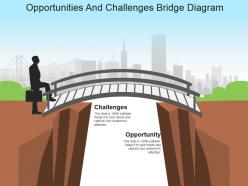
Opportunities and challenges bridge diagram example of ppt presentation





Try Before you Buy Download Free Sample Product
 Impress Your
Audience
 100%
Editable
 Save Hours
of Time


Enable your team with our Opportunities And Challenges Bridge Diagram Example Of Ppt Presentation. Give them a base they can build upon.
People who downloaded this PowerPoint presentation also viewed the following :
Opportunities and challenges bridge diagram example of ppt presentation with all 5 slides:
Create a global footprint with our Opportunities And Challenges Bridge Diagram Example Of Ppt Presentation. Generate awareness across Earth.


FAQs for Opportunities and challenges bridge diagram example
Dude, the possibilities are insane right now. AI handles all the tedious stuff so your people can actually think strategically. IoT sensors give you data you didn't even know you needed. Blockchain makes transactions way more secure - though honestly that one still feels overhyped to me. Healthcare's doing crazy personalized treatments, retail knows exactly what you want before you do, and manufacturers predict when machines break before they actually do. Even logistics companies are crushing it with smart routing. My advice? Figure out what's genuinely broken in your business first, then see which tech actually fixes it.
Honestly, you've gotta be constantly checking in with your customers and watching industry data - that's where the good stuff is. Google Alerts are your friend. Industry reports too, though some are pretty boring. Talk to customers about what they actually need, not what you think they need. Social media monitoring can help but yeah, there's a lot of junk to filter through. Here's the thing though - spotting trends is only half the battle. Most companies see the same stuff happening. The difference is testing small pilots right away instead of just sitting on insights. Speed wins.
Honestly? It's usually your own company that's the problem. People get so stuck in old habits they can't see past them. Budget's always tight, leadership hates risk, and employees freak out about change - I mean, who doesn't though? Plus everyone wants results yesterday when good innovation actually takes forever to show up. Oh and you're competing against companies that move crazy fast while trying to be creative at the same time. My advice? Start small with some "failure is fine" money set aside for experiments.
Market changes are basically where the magic happens for startups. New problems pop up, right? During downturns, you'll find cheap talent and office space - though good luck getting funded. Boom times mean everyone wants fancy stuff, but costs go through the roof. Honestly, I think most people miss this part: watch how consumers actually behave, not what they say. Regulatory shifts are goldmines too. The whole game is spotting what people need before your competition does. Timing's everything - you want to be early but not like, weirdly early.
Think of data analytics as your business detective - it finds patterns you'd miss completely. Like when customers buying product A keep searching for product B that you don't even sell yet. Pretty obvious goldmine, right? Customer behavior data shows you emerging segments and helps predict demand spikes. Competitor analysis reveals market gaps sitting there waiting. You can optimize pricing or spot trends before they explode. Honestly, I'd start by figuring out what questions you actually want answered first. Then dive into the data and see what opportunities pop up.
Don't go all-in on some crazy idea right away - start small with pilots first. Figure out your success metrics before you launch anything so you'll know when to pivot or kill it. Honestly, I've watched way too many teams fall in love with projects that are clearly dying. Spread your bets around different risk levels. That way if your moonshot crashes, you've still got some steady wins coming in. Each experiment should teach you something useful, even the failures. Oh, and always have your exit plan ready before you need it.
Look, environmental stuff can totally mess with your expansion plans depending on what business you're in. Manufacturing? You might get blocked by emissions rules or have to spend crazy money on upgrades. Energy companies are dealing with the whole renewable shift - fossil fuel bets are getting sketchy. Agriculture's probably the worst hit though, with all the unpredictable weather and water issues. Even tech companies are struggling with data center cooling costs. My advice? Factor this environmental risk stuff into your planning from day one. Don't wait until new regulations blindside you.
Honestly, working with other people is like having superpowers for your projects. You get all these different viewpoints that push your thinking in directions you'd never go alone. Fresh perspectives = way better ideas, plus you can actually take on bigger stuff because everyone brings their own expertise to the table. I mean, it's basically a constant brainstorming session that doesn't stop. The trick though? Don't just grab people who think exactly like you - that's pointless. Figure out what you're not great at first, then find collaborators who rock those areas. Way more effective than trying to do everything yourself and burning out.
Dude, cultural stuff is HUGE for international expansion. It literally impacts everything - your marketing, negotiations, team management, all of it. What crushes it in the US might completely bomb in Japan (learned that the hard way watching companies try their direct approach there). You've gotta research local preferences, business customs, how decisions get made. Even weird details like what colors mean in different places. Honestly though, companies that actually adapt their approach usually smoke the competition who just copy their home strategy. My advice? Hire locals or get cultural consultants before you do anything else.
Okay so three things that actually work: talk to people regularly, don't let your project grow into a monster, and plan for stuff to go wrong. Those weekly check-ins with stakeholders? Game changer - seriously saves you from so much drama later. Pin down exactly what you're doing upfront and don't let people keep adding random tasks. I learned this the hard way lol. Build extra time into everything because something always breaks or takes longer than expected. Oh and make sure your boss actually cares about this project before you start, otherwise you're screwed when you need support.
Honestly, networking beats job boards every time. You'll get access to opportunities that never get posted publicly. People in your network become like scouts - they think of you first when they hear about partnerships or funding because they actually know you. Market insights come naturally too. I learned more about what's actually working in my industry through casual conversations than any report could teach me. The trick is helping others first instead of constantly asking for favors. Maybe start by genuinely helping three people in your network this week?
Regulations are honestly such a pain for small businesses. The compliance stuff will eat up your time and money - legal fees, endless paperwork, all that fun stuff. But there's actually some upside too. They stop big companies from crushing you with shady tactics, and you can get tax breaks or grants made just for small businesses. Don't try tracking every single regulation though, that'll drive you nuts. Just focus on what hits your industry. Oh and definitely join a small business group if you can - they'll keep you updated on the important stuff and do the advocacy work so you don't have to.
Honestly, social media's where it's at for connecting with customers these days. Instead of just throwing ads at people, you can do polls, Q&As, live streams - stuff that actually gets them talking back to you. Building little communities around your products is pretty smart too since customers end up helping each other (your support team will thank you). Oh, and being genuine matters way more than being perfect - people can smell fake from a mile away. I'd pick whatever platform your audience is already scrolling through and focus on real conversations. Don't just broadcast into the void, you know?
Honestly, most ethical stuff comes down to fairness and being upfront about what you can actually do. Don't oversell your capabilities or screw over competitors. Data privacy is huge if you're collecting customer info - people are way more aware of that now. Also think about whether you might put people out of work or mess with local communities. I know it sounds boring when you're excited about an idea, but seriously - figure out who might get hurt and plan around it. Trust me, dealing with this stuff early saves you massive headaches later. Way easier than trying to fix problems after they blow up.
Honestly, recessions make everyone way more willing to axe the dumb projects nobody wanted to call out before. Suddenly you've got permission to cut through all that corporate BS. The talent pool gets insane too - like, people you'd never dream of hiring are suddenly looking for work. Your competitors start hiding under rocks, so there's actually room to move and try stuff. I remember during 2008, my buddy's startup basically had the whole market to themselves for six months. Just make sure you've got some cash stashed away first, otherwise you're just watching opportunities float by.
-
It saves your time and decrease your efforts in half.
-
Innovative and attractive designs.