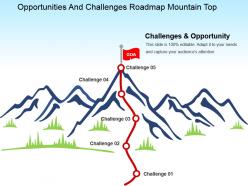
Opportunities and challenges roadmap mountain top powerpoint slide images

Rating:
100%
Opportunities and challenges roadmap mountain top powerpoint slide images
Slide 1 of 5
Favourites Favourites

Try Before you Buy Download Free Sample Product

Audience Impress Your
Audience
Editable 100%
Editable
Time Save Hours
of Time
The Biggest Sale is ending soon in
0
0
:
0
0
:
0
0
Rating:
100%
Presenting Opportunities and Challenges Roadmap Mountain Top PowerPoint Slide Images. Effortlessly changeable PowerPoint template as shading, content and textual styles are editable. Presentation template is good with Google Slides. Ease of download and variable into JPEG and PDF format. Use of superior quality images, graphics, color, and icons. Ease of insertion of corporate image and picture for personalization. Easy to incorporate the company signature and logo. Picture quality does not get harm when displayed on widescreen.

People who downloaded this PowerPoint presentation also viewed the following :

FAQs for Opportunities and challenges roadmap mountain top

So you'll need a clear timeline with major milestones first. Break down key features by phase, plus all your resource needs - team size, budget, tools. Dependencies are huge too since everything's connected somehow. Always explain the "why" behind big initiatives because stakeholders eat that stuff up. Risk callouts matter - like what happens when things inevitably go wrong? Keep your assumptions visible since those change constantly (learned that the hard way). End with concrete next steps and how you'll actually track progress. The whole point is getting everyone on the same page about where you're going and what it costs.

Color coding is your best friend here - different streams, priority levels, whatever makes sense. Progress bars are honestly magic for stakeholders, they eat that stuff up. Icons help too for different work types. Timelines show dependencies super clearly, and swim lanes keep teams separated so it's not just chaos everywhere. The whole point is someone should be able to glance at it and get the gist immediately. Like, they shouldn't need a 20-minute walkthrough just to understand what's happening when. Make it scannable and you're golden.

Honestly, the 2x2 matrix thing works great - just plot impact vs effort and boom, you've got your quick wins in the high impact/low effort corner. Those are gold. For the big strategic stuff, that's your high impact/high effort quadrant. I always throw in customer feedback too because angry customers are loud customers, you know? Score everything 1-5 so you're not overthinking it. Revenue potential matters obviously, plus any technical dependencies that might mess up your timeline. Oh and update this every few months - I learned that the hard way when priorities shifted and I was still working off old assumptions.

Honestly, most roadmaps fail because people don't actually know what the business wants to accomplish. First thing - figure out if you're trying to hit revenue goals, grow users, or cut costs. Then make a simple chart showing how each feature connects to those objectives. I do this every time and it saves so much headache later. Check in with leadership regularly too since priorities change constantly (learned this the hard way). The hardest part? You'll have to kill features that seem awesome but don't support the main goals. It sucks but it's necessary.

ProductPlan's probably your best bet - super solid for roadmaps and the collaboration stuff actually works. Roadmunk's good too. Miro gives you way more design control if that matters to you, but you'll spend time setting everything up from scratch. Notion works great for simpler roadmaps honestly, and it's cheap. Figma's another option. Oh, and if you're stuck with Microsoft everything, Project Online exists but it's... not fun to use. I'd just grab ProductPlan's free trial first and see how it feels.

Stop doing feedback randomly - you need a real system. Quarterly stakeholder reviews work great, plus surveys after releases. Office hours are clutch too since people can just come to you directly with roadmap issues. Here's what actually matters though: close the loop on their input, even when you can't use it. Document everything in a shared space and be upfront about what made the cut (and what didn't). Honestly, stakeholders respect transparency more than perfect execution. Start small - grab your 5-10 most important people and book 30-minute feedback sessions this month.

Look, timelines and milestones are what separate real roadmaps from wishful thinking. I've seen too many projects die because nobody had actual dates to work toward. Your milestones need to be specific enough that teams can actually hit them - vague goals just create frustration. Working backwards from your biggest deliverables usually works best. Timelines give everyone accountability and help stakeholders know what's coming when. But here's the thing - don't make them so rigid you can't adjust when things change (and they always do). That balance between structure and flexibility? That's where the magic happens.

Quarterly reviews are the bare minimum, but monthly check-ins work way better IMO. Things move so fast now that waiting 3 months basically guarantees your roadmap becomes dead weight. Get the whole team together for those quarterly deep dives - what's actually working, what sucks, whether your goals still make sense. Monthly ones can be super quick, just catching any big blockers or new opportunities. Honestly? Schedule your first quarterly review right now, even if everything feels dialed in. I learned this the hard way when our roadmap went stale for like 6 months and nobody wanted to admit it.

Tell your team the second you know something's changing - don't wait until it's official. Just shoot them a quick message explaining what's different, why, and how it messes with their current stuff. Trust me, people absolutely hate getting blindsided when they've already planned everything out. Give them actual dates and new priorities. Also, definitely own up to it if your change dumps extra work on someone - that part sucks but they'll appreciate the honesty. If it's a big shift, maybe do a quick call after. Basically just don't leave people scrambling to figure things out themselves.

I always build in 20-30% buffer time right from the start - trust me on this one. Check in quarterly and actually adjust things instead of pretending your original timeline still makes sense. Anything past next quarter? Keep it super high-level because it's gonna change anyway. Something unexpected always pops up (like, always). When stuff does change, just be upfront with everyone about it. Oh and set up regular team check-ins so you can catch problems early. Way better than scrambling when everything's already on fire. The whole "pivot before crisis mode" thing has saved my butt more times than I can count.

So tech companies usually go with feature-based roadmaps - you know, showing product releases over time. Manufacturing is totally different though, they need those heavy Gantt charts for production schedules. Startups should definitely use outcome-based roadmaps since you're pivoting constantly anyway (been there, it's chaos but in a good way). Bigger organizations? Strategic roadmaps work better for their multi-year planning. Theme-based ones are solid when you're juggling multiple product lines. Honestly, just match whatever style makes sense for how your stakeholders actually think. Ask what questions they need answered first - that'll guide you.

Honestly, data analytics changed everything for my roadmap planning. Instead of just winging it based on hunches, I actually look at user behavior patterns and feature adoption rates now. Track how long features really took to build vs what you estimated - that stuff is gold. Also watch which user segments jump on new features first. I used to be wrong about timelines constantly (still am sometimes lol). Set up some dashboards to monitor these metrics. Your historical data becomes way more useful than gut instincts for figuring out what to prioritize next.

Don't be too rigid with it - roadmaps that can't bend will break. Overcommitting on timelines is a classic mistake. Also, loop stakeholders in early or you'll be doing tons of rework later. Keep details light beyond 6 months because honestly, who knows what'll happen by then? Buffer time is your friend since random stuff always comes up. Focus on outcomes instead of just feature lists. Dependencies between teams will bite you if you ignore them. Oh, and update it regularly as things shift - which they will. Think of it as your north star, not some binding contract.

Honestly, I'd split it like 60/40 - most of your roadmap should be quick wins that keep everyone happy and the money coming in. Save about 40% for the big strategic stuff. Lock down next quarter completely, but leave quarters 2-4 loose so you can pivot when needed. The key thing? Be super upfront with your team about this balance. People get pissed when their favorite feature suddenly disappears for "strategic initiatives" (ugh, hate that phrase). Start by going through your current roadmap and literally labeling everything as either "keeps us alive" or "actually moves us forward." Trust me, it's eye-opening.

Check out Tesla's Master Plan series first - dead simple but shows how they went from Roadster to mass market. Google's project roadmaps are solid too, especially the way they map out team dependencies. Honestly, I'm kind of obsessed with Spotify's approach. They visualize their music discovery roadmap with actual user journeys, which is genius. Buffer and Trello have public roadmaps you can dig into - shows how they juggle new features against fixing technical debt. Best ones tell a story instead of just dumping a feature list. Find three roadmaps from similar industries and see what hooks you.

Ratings and Reviews

100% of 100
Review Form
Write a review
Most Relevant Reviews
  1. 100%

    by Earl Contreras

    Innovative and Colorful designs.
  2. 100%

    by Doyle Andrews

    Great quality product.

2 Item(s)

per page: