


Over processing waste powerpoint presentation slides




Try Before you Buy Download Free Sample Product
 Impress Your
 Audience
 100%
100% Editable
 Save Hours
 of Time


Introducing Over Processing Waste PowerPoint Presentation Slides to highlight the different types of deadly wastes that an organization should keep in check and monitor. Waste generation is one of the biggest threats to human health, aesthetics, and the environment. Outline the different types of wastes generated and showcase the waste management strategies that your organization is bound to adopt to eradicate the maximum amount of toxic waste while carrying out its operations. Every organization has its own method of minimizing waste generation, explain yours to your employees with the assistance of this ready-to-use 8 Wastes Downtime Powerpoint Presentation. Giving an in-depth explanation of your waste eradication methodologies will assist your employees in adopting healthy methods of minimizing waste in the organization and disposing it off efficiently. Though all types of wastes cannot be completely eradicated, they can be checked and controlled using this lean manufacturing waste management PowerPoint complete deck. Thus, download this 8 deadly lean wastes Powerpoint slideshow and alter it as per your business demands.
People who downloaded this PowerPoint presentation also viewed the following :
Content of this Powerpoint Presentation
Slide 1: This slide introduces Over Processing Waste. State Your Company Name and begin.
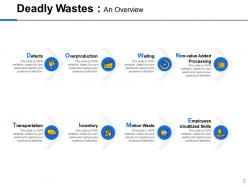
Slide 2: This slide shows Deadly Wastes : An Overview describing- Defects, Overproduction, Waiting, Non-value Added Processing, Transportation, Inventory, Motion Waste, Employees Unutilized Skills.
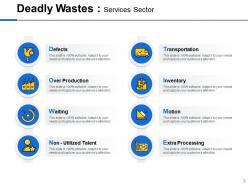
Slide 3: This slide presents Deadly Wastes : Services Sector describing- Defects, Over Production, Waiting, Non - Utilized Talent, Transportation, Inventory, Motion, Extra Processing.
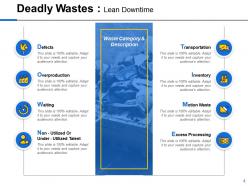
Slide 4: This slide displays Deadly Wastes : Lean Downtime describing- Defects Requiring Re-work Or Scrap, Over Production, Waiting, Non - Utilized Or Under - Utilized Talent, Transportation, Inventory, Motion, Extra Processing.
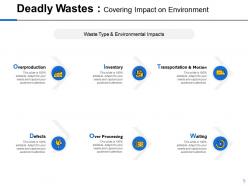
Slide 5: This slide represents Deadly Wastes : Covering Impact on Environment.
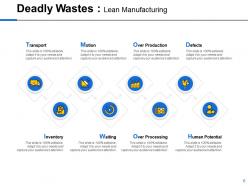
Slide 6: This slide showcases Deadly Wastes : Lean Manufacturing.
Slide 7: This slide displays icons for Over Processing Waste.
Slide 8: This slide is titled as Additional Slides for moving forward.
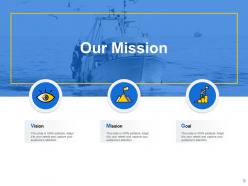
Slide 9: This is Our Mission slide with related imagery and text.
Slide 10: This is Our Best Team slide with names and designation.
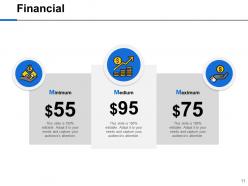
Slide 11: This is a Financial slide. Show your finance related stuff here.
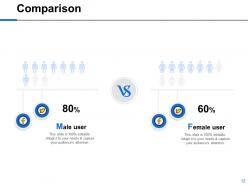
Slide 12: This is a Comparison slide to state comparison between commodities, entities etc.
Slide 13: This is a Quotes slide to convey message, beliefs etc.
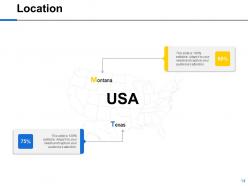
Slide 14: This is a Location slide with maps to show data related with different locations.
Slide 15: This is a Puzzle slide with text boxes to show information.
Slide 16: This is a Target slide to show data related with different locations.
Slide 17: This slide shows Mind Map for representing entities.
Slide 18: This is an Idea or Bulb slide to state a new idea or highlight information, specifications etc.
Slide 19: This is a Thank you slide with address, contact numbers and email address.
Over processing waste powerpoint presentation slides with all 19 slides:
Use our Over Processing Waste Powerpoint Presentation Slides to effectively help you save your valuable time. They are readymade to fit into any presentation structure.






FAQs for Over processing waste
Primary causes of overprocessing waste include excessive quality checks, redundant approval processes, over-engineered features beyond customer requirements, outdated manufacturing protocols, and poor communication between departments. These inefficiencies typically stem from risk-averse cultures, unclear specifications, and legacy systems, with many manufacturers finding that streamlining processes reduces costs while maintaining quality standards.
Overprocessing waste significantly reduces production efficiency by consuming unnecessary resources, extending cycle times, and diverting workforce attention from value-adding activities. This excess processing increases labor costs, equipment utilization expenses, and material consumption, while creating bottlenecks that slow overall throughput, with manufacturing organizations finding that eliminating overprocessing can reduce operational costs by 15-25% while accelerating delivery timelines.
Businesses can identify overprocessing through process mapping, customer value analysis, time-motion studies, employee feedback, and data analytics that reveal unnecessary steps or excessive quality levels. Manufacturing companies, healthcare facilities, and service organizations often discover overprocessing by examining workflows against actual customer requirements, ultimately streamlining operations while reducing costs and improving efficiency.
**INPUT**: What tools or methodologies can be employed to reduce overprocessing waste? **OUTPUT**: Tools for reducing overprocessing waste include value stream mapping, standardized work procedures, automation technologies, real-time monitoring systems, and lean manufacturing principles. These methodologies streamline operations by eliminating unnecessary steps, optimizing resource allocation, and enhancing process visibility, with many manufacturing and service organizations finding that strategic implementation delivers significant cost reductions and improved operational efficiency. [Word count: 56 words]
Overprocessing negatively impacts product quality by introducing unnecessary complexity, potential defects, and inconsistencies that compromise functionality and reliability. This directly reduces customer satisfaction through delayed deliveries, higher costs, and products that fail to meet expectations, with many manufacturing and service organizations finding that streamlined processes ultimately enhance both quality consistency and customer loyalty.
Overprocessing waste commonly occurs in manufacturing, software development, healthcare, financial services, and food production industries. In manufacturing, excessive quality checks slow production lines, while banks often require redundant approvals for loan processing, and hospitals duplicate patient documentation across multiple systems, ultimately reducing operational efficiency and increasing costs across these sectors.
Employee training plays a crucial role in minimizing overprocessing waste by educating workers on value-added activities, standardized procedures, and efficient workflow optimization. Through targeted training programs, organizations enable staff to identify unnecessary steps, streamline processes, and maintain quality standards, with many manufacturing and service companies finding that well-trained employees reduce operational costs while enhancing productivity.
Lean principles combat overprocessing through value stream mapping to identify unnecessary steps, standardizing work processes to eliminate redundancy, and implementing continuous improvement practices. Manufacturing companies and service organizations streamline operations by removing non-value-added activities, reducing cycle times, and focusing resources on customer-valued processes, ultimately delivering cost savings and enhanced operational efficiency.
Overprocessing waste in supply chains creates significant environmental burdens through excessive energy consumption, increased carbon emissions, unnecessary resource depletion, and amplified packaging waste. These inefficiencies ultimately lead to larger ecological footprints across manufacturing, logistics, and distribution networks, with many organizations finding that streamlining processes reduces environmental impact while delivering substantial cost savings and improved sustainability metrics.
Companies should track cycle time variance, rework rates, resource utilization ratios, customer satisfaction scores, and cost-per-process metrics to measure overprocessing waste effectively. Through these measurements, organizations in manufacturing, healthcare, and financial services can identify unnecessary steps, streamline workflows, and eliminate redundant activities, ultimately delivering improved operational efficiency and reduced processing costs.
Technology and automation reduce overprocessing waste by implementing real-time monitoring systems, automated quality controls, and smart sensors that detect optimal processing endpoints. These solutions enable manufacturers to streamline production workflows, minimize unnecessary steps, and maintain consistent quality standards, with companies in automotive and food processing finding significantly lower costs and improved operational efficiency.
Poor communication between departments, lack of standardized procedures, perfectionism tendencies, insufficient training on process requirements, and unclear customer specifications contribute to overprocessing in organizations. These habits often stem from risk-averse cultures where employees add unnecessary steps to avoid potential issues, with many manufacturing and service organizations finding that addressing these root causes through clear documentation and regular process reviews significantly reduces waste while improving operational efficiency.
Overprocessing waste creates a cascading effect that amplifies other waste forms, as excessive steps often lead to overproduction, increased defect opportunities, and resource misallocation. When organizations streamline processes by eliminating unnecessary activities, they simultaneously reduce inventory buildup, minimize quality issues, and optimize workflow efficiency, with many manufacturers finding that addressing overprocessing delivers comprehensive waste reduction across their entire operation.
Customer feedback often reveals gaps between actual needs and current processes, prompting organizations to add extra steps, redundant quality checks, or unnecessary features to address perceived deficiencies. While this responsiveness demonstrates customer focus, it can create overprocessing when companies implement blanket solutions across all operations rather than targeted improvements, ultimately increasing costs and complexity without proportional value enhancement.
Toyota's lean manufacturing system eliminated unnecessary quality checks and redundant inspections, reducing production time by 30%. Similarly, Amazon streamlined packaging processes by removing excessive protective materials, while Southwest Airlines minimized paperwork and automated check-in procedures, ultimately delivering faster services, reduced operational costs, and enhanced customer experiences across their operations.
-
Innovative and attractive designs.
-
Easy to edit slides with easy to understand instructions.